Water Treatment
Due to sound watershed management, effective water treatment processes and continued investments in R&D, Singaporeans have been enjoying good quality water for the last four decades. Singapore’s tap water is well within the World Health Organisation drinking water guidelines, and is suitable for drinking without any further filtration.
How Water is Treated
Raw water from various sources is conveyed by pipelines to the waterworks where it is chemically treated, filtered and disinfected. Treatment frees the water of harmful bacteria, makes it clear, sparkling, odourless, colourless, and safe for consumption.
Most treatment plants use chemical coagulation and rapid gravity filtration to remove suspended matter in the raw water. For chemical coagulation, correct doses of suitable coagulants and coagulant-aids are added to the raw water to combine or `flocculate` the colloidal and larger particles of suspended matter. This causes the suspended matter to settle more readily and then be removed in the sedimentation tank. The water is then passed through rapid gravity filters which remove the finer particles of suspended matter. At Chestnut Avenue and Choa Chu Kang Waterworks, the suspended particles are removed by membrane filtration. The filtered water, on its way to the clear water tank, where it is temporarily stored, is disinfected with chlorine to get rid of all harmful bacteria and viruses. The water is then pumped into the distribution system and service reservoirs, ready for consumption.
Treatment Chemistry
Aluminium sulphate is the main coagulant. In most cases, hydrated lime is also added to adjust the pH of the raw water for the best flocculation results. Polyelectrolyte is used as a coagulant aid. For disinfection, chlorine is used to destroy the bacteria and viruses. Ozone is used, as well as chlorine, at Choa Chu Kang and Bedok Waterworks. Ammonia is added in the treated water containing free chlorine to form a stable chlorine residual. Activated carbon is also used to remove any bad taste and odour.
Sodium silicofluoride is added to the water on its way from the filters to the clear water tank. Fluoridation is a requirement by the Ministry of Health and has been a practice since 1957. It helps in the prevention of dental caries.
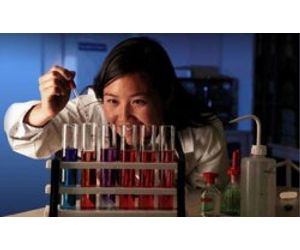
Singapore`s water is moderately soft and is safe to drink straight from the tap. To ensure that your water supply is clean and safe, water samples are regularly collected and analysed chemically and bacteriologically at the Water Testing Laboratory. Samples of water at various stages of treatment at all waterworks, raw water from all sources, treated water from all service reservoirs and selected points in the distribution network are collected for daily or periodic analysis.
Tests are conducted to ensure that the quality of treated water is within the Guidelines for Drinking-Water Quality set by the World Health Organisation (WHO). The National Environment Agency also monitors the treated water quality.