


- Home
- Companies
- 4M Analytics
- Software
- 4M - Utility Coordination Solution
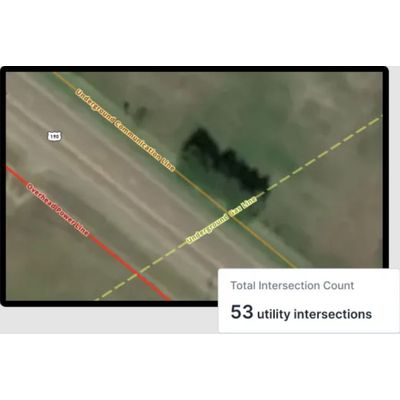
4M - Utility Coordination Solution
Prevent delays, unnecessary changes, and last-minute utility discoveries. Utility coordination is necessary to protect physical infrastructure and maintain essential services before, during, and after construction. Utility coordination deals with any conflicts that arise between existing facilities and future plans, as well as with any issues related to safety or environmental regulations. Accurate information about subsurface utilities is crucial for a coordinated response to utility issues. Without good utility coordination, there are significant risks posed to the success of a project in terms of schedule delays, budget overruns, and frustration among stakeholders as well as local communities.
Using 4M for utility coordination can prevent delays, additional costs, design changes, and surprise discoveries on the job site.
4M is the earliest available source of utility information for past, present, and future project sites. By making subsurface utility locations known as far in advance as possible, we help you kickstart your utility coordination process with the maximum time to plan and execute a well-thought-out strategy. We also make it easier to keep track of changes between project phases, especially when timelines are extended or delayed.
Good utility coordination is about understanding the entire range of options and quantifying each one in terms of cost, schedule, and technical implications. 4M provides the most comprehensive overview of utilities on each site as well as the surrounding area, giving more context and detail to expand and assess the variety of options at the earliest opportunity.
4M improves utility coordination by enabling effective communication between multiple stakeholders. Project owners, utility companies, and contractors may refer to the same facilities using completely different terms and geographical reference systems, which can result in confusion or misunderstanding about coordination plans. 4M provides a common and consistent GIS baseplan to pinpoint the exact sites that require utility coordination.