

Ecosystem - Air Monitoring Data Integration Software with Powerful API Solutions
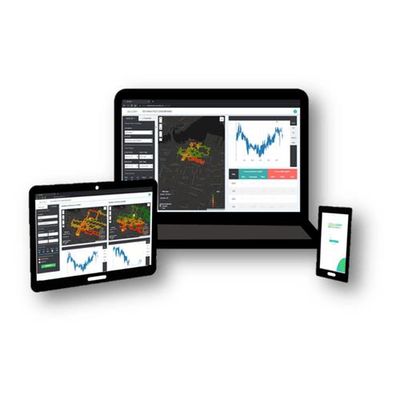
Effortlessly access and integrate air monitoring data through our robust API (SaaS) and custom integration solutions.
Stay informed with instant, real-time data updates, alerts and notifications.
Simulate and analyze different scenarios for better decision-making.
Gain insights from hyperlocal data captured across both space and time.
Uncover deeper understanding with multi-layered data analysis.
Top Options for Air Quality Sensors: Choose the Right Monitor for You
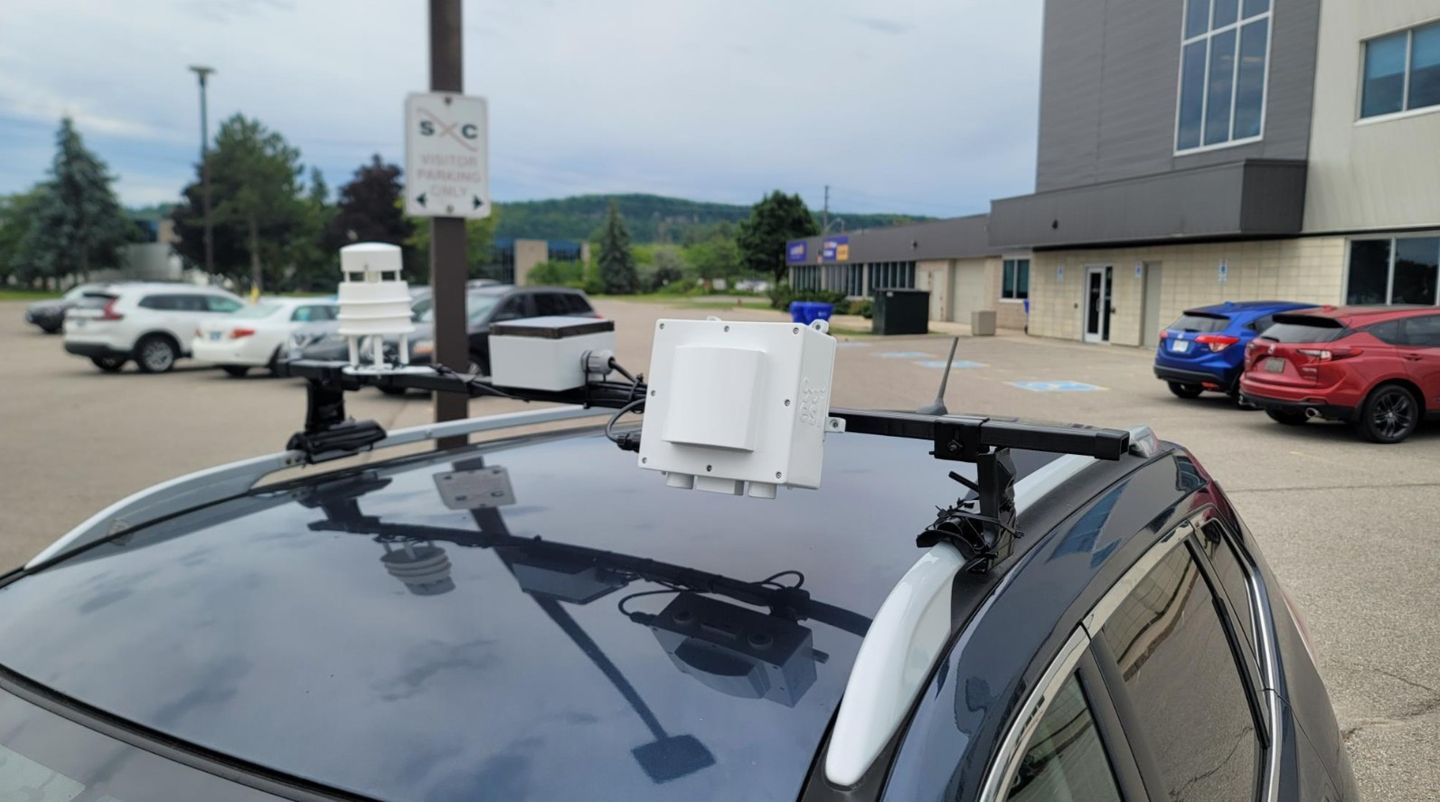
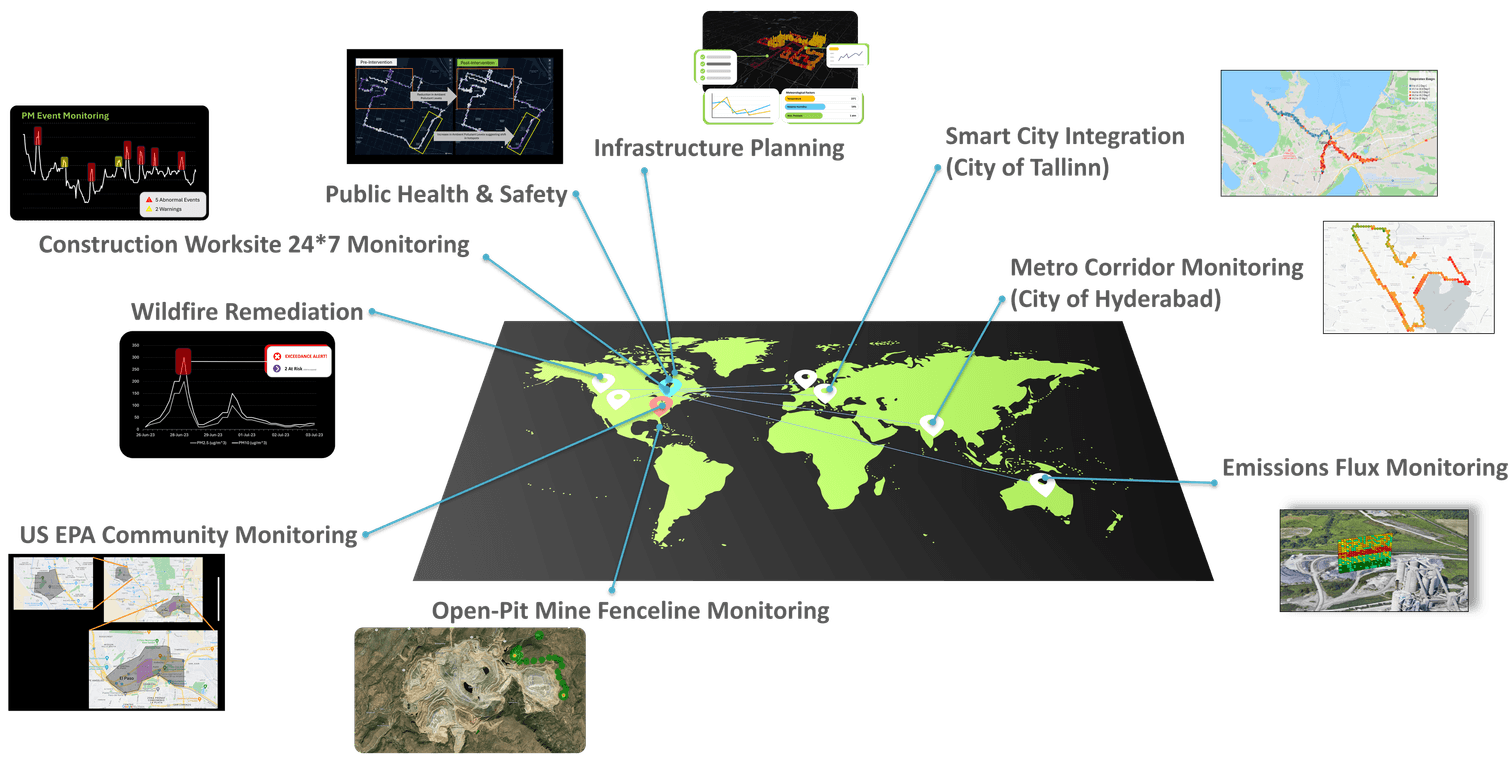
From industrial sites to urban areas, our sensing platform meets diverse monitoring needs.
Options for Air Quality Sensors
- Air quality monitors play a crucial role in evaluating the various pollutants that exist in your immediate surroundings.
- They provide essential insights into the air you breathe. The most dependable source for hyperlocal, real-time air pollution data is one that is not only accurate but also certified and validated across a wide range of environmental conditions.
- This ensures that the information you receive is trustworthy and relevant to your specific location.
Introduction to Air Quality Monitoring
- Air quality monitoring is crucial for maintaining good health and reducing the risks associated with poor air quality, such as respiratory problems and cardiovascular issues.Indoor air quality monitors and outdoor air quality monitors are available to track pollutant levels and provide real-time data on air quality.
- Understanding the importance of air quality monitoring can help individuals make informed decisions about their health and environment.
- Air quality sensors and monitors can detect various pollutants, including particulate matter, carbon dioxide, and volatile organic compounds.
- Low-cost air pollution monitors are available for indoor and outdoor use, making it easier for people to monitor air quality.
Types of Air Quality Monitors
- There are several types of air quality monitors such as iot devices for air pollutants, portable air quality monitors, indoor air quality monitors, and outdoor air quality monitors.
- Each type of monitor has its own set of features and benefits, such as real-time data, sensor technology, and connectivity options.
- Portable devices are ideal for on-the-go monitoring, while indoor and outdoor monitors are better suited for stationary use.
- Air purifiers and air quality monitors can work together to improve indoor air quality and reduce air pollution.
- Smart home systems can also be integrated with air quality monitors for seamless monitoring and control.
Key Features to Consider
- When choosing an air quality monitor, consider key features such as sensor technology, accuracy, and connectivity options.
- High accuracy and low cost are important factors to consider when selecting an air quality monitor.
- Manual calibration and battery life are also crucial features to look for in an air quality monitor.
- Internet connection and compatibility with other devices are also important considerations.
- Air quality index and interpretation are also essential features to understand when using an air quality monitor.
ioT Device for Air Pollutions
- A IoT device is starting to play a crucial role in air pollution monitoring systems.
- An IoT device enables real-time air quality sensor data collection and analysis through interconnected air quality sensors and air pollution devices.
-
- These air quality devices utilize various sensor points to detect harmful gases like NO2, CO, NH3, and benzene.
- Then the ioT device for air pollutions relays the air quality and air pollution data to microcontrollers and online servers for continuous air quality monitoring and alerting.
Air Quality Monitoring Systems
- Air quality monitoring systems can be used to track and analyze air quality data, providing valuable insights into pollutant levels and environmental conditions.
- Sensor data can be used to identify trends and patterns in air quality, helping individuals and organizations make informed decisions.
- Air quality monitoring systems can be integrated with other devices and systems, such as smart home systems and air purifiers.
- Real-time data and frequent updates are essential for effective air quality monitoring and management.
- Air quality monitoring systems can also be used to detect gases, such as carbon monoxide and radon, and particle sensor data can be used to track fine particulate matter.
Understanding Air Pollution
- Air pollution is a major environmental concern, with both indoor and outdoor sources contributing to poor air quality.
- Particulate matter, carbon dioxide, and volatile organic compounds are common pollutants that can have negative health effects.
- Air pollution impact can be significant, with effects on respiratory health, cardiovascular health, and even cognitive function.
- Understanding the sources and effects of air pollution is essential for effective air quality monitoring and management.
- Air quality monitors can help individuals and organizations identify areas of high pollution and take steps to reduce exposure.
- Air Quality Index and InterpretationThe air quality index is a standardized system for measuring and interpreting air quality data.
- Air quality index values can be used to determine the level of air pollution and potential health effects.
- Understanding air quality index and interpretation is essential for making informed decisions about air quality and health.
- Air quality monitors can provide real-time air quality index values, helping individuals and organizations stay informed about current air quality conditions.
- Air quality index values can also be used to track trends and patterns in air quality over time.
- Air Purifiers and Air QualityAir purifiers can be an effective way to improve indoor air quality, reducing pollutant levels and improving health.
- Air quality monitors can be used in conjunction with air purifiers to track and analyze air quality data.
- Understanding the relationship between air purifiers and air quality is essential for effective air quality management.
- Air purifiers can help reduce air pollution impact, improving respiratory health and overall well-being.
- Air quality monitors can help individuals and organizations optimize air purifier performance and improve indoor air quality.
Air Quality Monitoring Resources
- Air quality monitoring resources include guides, tutorials, and online courses for learning about air quality monitoring.
- Air quality monitoring communities and forums can provide valuable insights and support for air quality monitoring.
- Air quality monitoring resources can help individuals and organizations stay up-to-date with the latest developments and advancements in air quality monitoring.
- Online resources can provide access to air quality data, sensor technology, and other tools and equipment for air quality monitoring.
- Air quality monitoring resources can also provide information on air quality monitoring regulations and standards.
Conclusion and Recommendations
- Air quality monitoring is essential for maintaining good health and reducing the risks associated with poor air quality.
- Choosing the right air quality monitor depends on several factors, including intended use, budget, and features.
- High accuracy and low cost are important factors to consider when selecting an air quality monitor.
- Air quality monitoring best practices include regular calibration, maintenance, and data analysis.
- Air quality monitoring resources can provide valuable insights and support for air quality monitoring, helping individuals and organizations optimize air quality monitor performance and improve indoor air quality.