
- Home
- Software
Refine by
Nowcast Environmental Software
6 software items found
by:nowcast GmbH based inMunich, GERMANY
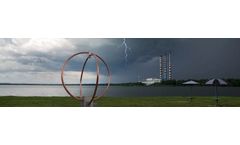
With LINET data small as well as large private and public companies get detailed numerical lightning information in real time. LINET data is the classical nowcast product. Both small as well as large private companies and public institutions receive detailed numerical real-time lightning information via LINET data. This data can then be imported into the user’s systems and combined with ...

by:nowcast GmbH based inMunich, GERMANY
LINET view visualizes and analyzes the current or any historical thunderstorm situation in your web-browser on any device. Not only are strokes, thunder cells and nowcasting displayed on the map, but also any customer-specific elements (e.g. points of interest, transmission-grids, stations etc.) and individual alarm areas. The application is easy to use and provides many tools for the management ...
by:nowcast GmbH based inMunich, GERMANY
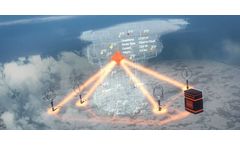
LINET systems enables customers to procure and operate their own, independent, ultra-precise and reliable lightning detection system. With LINET, nowcast has developed a highly efficient lightning detection system. LINET offers excellent value for reasonable money and meets the highest possible demands in professional use, made & engineered in ...

by:nowcast GmbH based inMunich, GERMANY
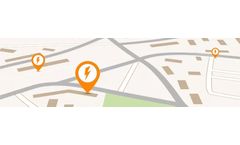
With the web-based LINET spot application, you can easily investigate lightning strokes at a particular location at a particular time in the past. Lighting-induced damage and overvoltage can be reliably verified and contradicted if applicable. The LINET data report is considered an expert ...
by:nowcast GmbH based inMunich, GERMANY
Would you like to get precise details on a specific lightning event for one day or a 2-weeks periode at a specific location? Just use the form below to submit your ...
by:nowcast GmbH based inMunich, GERMANY
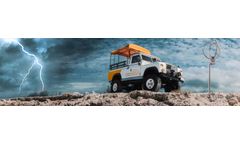
LINET measures the electromagnetic radiation emitted by lightning strokes with ultra sensitive lightning sensors, set up at a distance of app. 150 to 250 km. As the electromagnetic radiation spreads almost at the speed of light, it reaches the sensors at slightly varying times. Even though this difference is a matter of mere microseconds (µs), it enables precise calculation of the ...