


LiORA - Version Trends -Cloud-Delivered Groundwater Analytics
What it analyzes
Petroleum hydrocarbons (BTEX, F1/F2 fractions) and chloride contamination from existing lab sampling records. Accepts data in Excel, CSV, and PDF report formats. Compatible with most environmental data management systems.
How it works
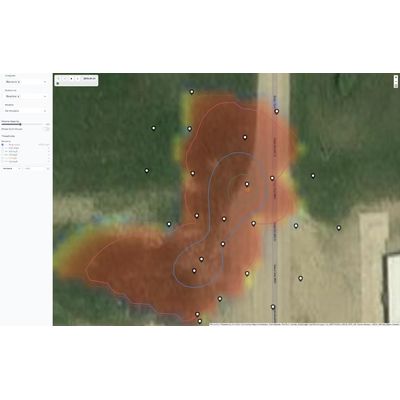
Historical sampling data is uploaded to LiORA's secure cloud platform. The AI engine runs Well Influence Analysis to identify redundant monitoring points, applies physics-informed machine learning to model plume stability, and generates time series analytics across all wells and sites. All analysis is accessible through a centralized Data Hub with portfolio-level dashboards and data export.
Data & Security
Entirely cloud-based. No hardware installation required — accessible from any browser. Data is encrypted in transit and at rest. Analysis and insights are available within 72 hours of upload. Compliant with major data protection regulations.
Key Capabilities
- Well Influence Analysis: Identifies which wells add unique signal and which are redundant
- Plume Stability: Physics-informed ML to forecast contaminant movement and closure timelines
- Advanced Analytics Suite: Mann-Kendall, Ricker Method, and numerical analysis
- Custom Regulatory Thresholds: Analysis benchmarked against site-specific limits
- Exceedance Charts: Visualize threshold breaches across time and locations
- Time Series Analytics: Trend detection across all wells and contaminant types
- Data Hub: Centralized upload, visualization, and export for all site data
- Portfolio Management: Compare site performance and surface cost optimization opportunities
- Soil Vapor Intrusion: Available as add-on for vapor pathway assessment
How to get started
Upload historical groundwater sample data and receive initial insights within 72 hours.