


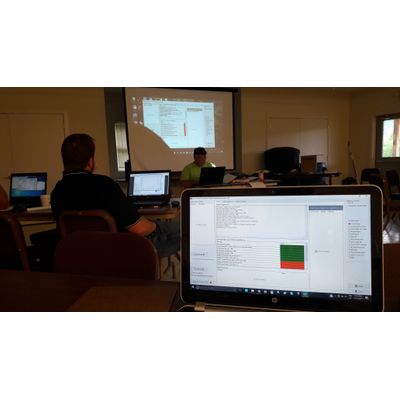
Principles of Wetland Design (PWD) - Live Workshop Training Courses
This is a new approach to understanding wetland design. This live in-person workshop will prepare you to diagnose and understand how a wetland should function as well as ways to improve wetland projects in peril.
Identification of the critical wetland functions will be presented including:
- Shoreline bank erosion control
- Sediment stabilization
- Water quality
- Wildlife
- Fish (tidal, non-tidal stream/river, and non-tidal pond/lake), and
- Uniqueness/heritage.
Click here to learn more- https://swampschool.org/product/principles-of-wetland-design-live-workshop/
The next phase of the assessment includes the development of the methods and calculations necessary to properly plan for wetland hydrology. A water budget will be established to enable students to understand how water circulates through a wetland. Upon completion of the class students will be able to prepare a water budget and properly size a proposed wetland system.
The topics covered in this class include:
- Water Cycle Principles
- Understanding Groundwater
- Surface Runoff Calculations
- Evapotranspiration
- Wetland Water Budget Development
Once the target wetland functions have been identified and the water budget is established it is time to start putting the wetland together.
This phase includes:
- Wetland planting schedules
- Soil amendments
- Project construction planning
- Monitoring protocols
In an idealized situation, if the aforementioned protocols were followed, a pretty successful wetland would result. Unfortunately, this does not always happen. So the next thing we will discuss is how to take apart an existing wetland project to identify what might not be working. Sometimes this is the water budget. Sometimes it is an issue with conflicting goals. Sometimes it is just something dumb. Our forensic approach will highlight what could be fixed to restore the design back to its intended functions.
The class will conclude with the preparation of a student wetland design project based on a sample site. Each student will mitigation plan that will cover all of the finer points covered in class. There are multiple assignments that will serve as the data necessary for the development of the plan. The student will receive an individualized review of the site data and design to help them identify trouble spots and high points.
Materials Needed for Class
- A Windows PC based laptop with admin rights* to install WetBud
* Ideally WetBud should be installed prior to class. We will provide the software beforehand. There are some IT issues that we may have to work through. If you are using a company supplied computer you may need your internal IT people to help.
Upon completion of this workshop the student we be able to:
- Describe the physical, chemical, and biological processes of a wetland;
- Document the ecological processes necessary for restoring and enhancing wetlands;
- Identify the methods used to restore, manage, maintain, and monitor the wetland system;
- Highlight the existing and potential functions of a prospective restoration or enhancement site; and
- Complete a wetland site design and determine associated opportunities and constraints.
- 36 Professional Development Hours
- WetBud software
- Water budget design
- Functional wetland design
- Ecological uplift planning
- Check Your GSA Eligibility Here
- Wetland Design