


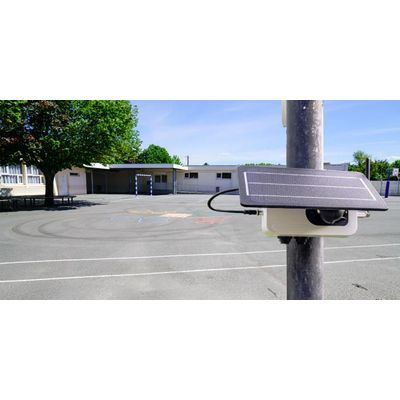
Ambient Air Pollution Monitoring for School Districts & Campuses - University / Academia / Research
Schools are facing more days with unhealthy air quality than ever before, negatively impacting academic performance and increasing absences. Three in five US children are worried about the impact of air pollution on their health — does your district have a plan for protecting student health?
- Real-time air monitoring enables you to know when to switch to indoor activities
- Drive positive impact in your community with data transparency
- Reduce absences, improve academic performance, and protect student health
- >90% of children globally breathe toxic air every day
- Ambient air pollution hurts academic achievement
- Air pollution can cause increased absences
- 3 out of 5 children are worried about air pollution’s health impacts
On days when air quality is very poor, schools are recommended to enforce indoor activity schedules. Monitoring AQI levels at your school and following outdoor physical activity guidelines is one of the most effective ways to protect students.
Read our whitepaper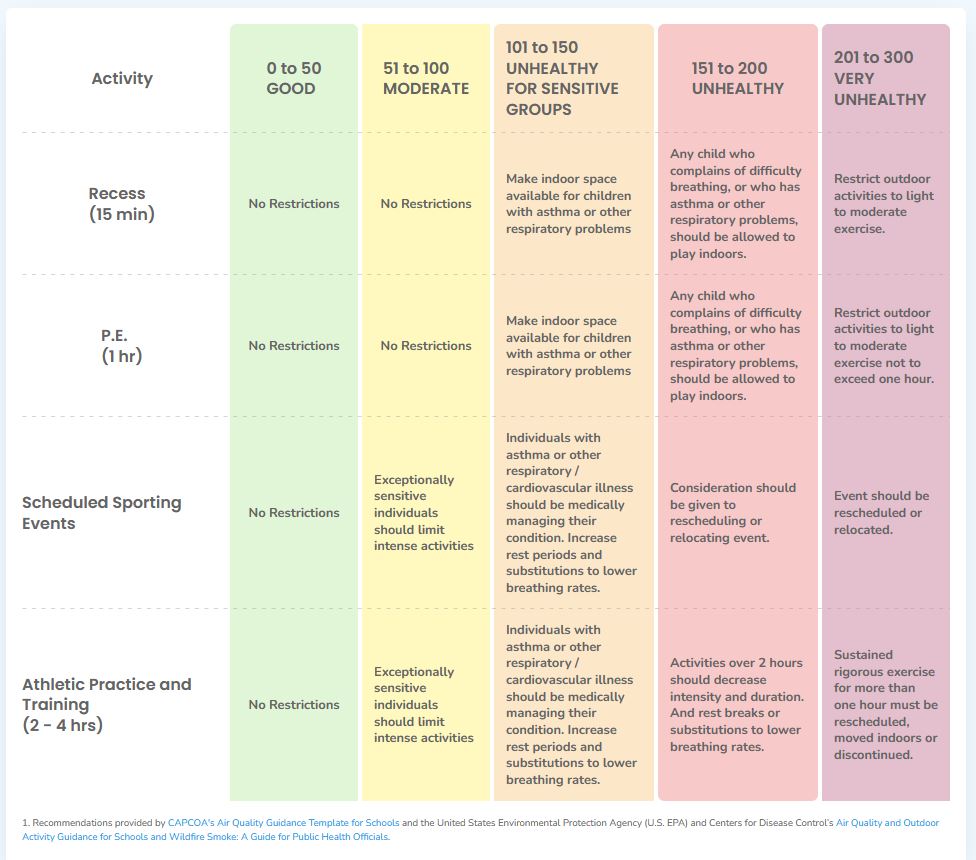
Studies have found that a single day of unhealthy air quality can more than double absences. Absences come at a cost to both schools, and students` families.
Exposure to outdoor air pollution can inhibit cognitive development and negatively impact academic achievement. Studies have found air pollution levels to be a statistically significant predictors of student performance.
Air quality can change rapidly, making it important to have access to real-time air quality data when making operational decisions. Monitoring air quality ensures you make the right decisions for student health.
You can have a broad positive impact on your community by providing real-time air quality data and educate students and parents on how to minimize their exposure.