


Membracon Process Separations b.v.
- Home
- Companies
- Membracon Process Separations b.v.
- Applications
- Ceramic Membrane Filtration Solutions ...
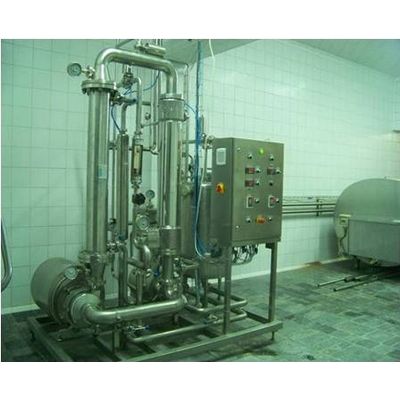
Ceramic Membrane Filtration Solutions for Milk Protein Fractionation - Food and Beverage
Milk protein fractionation involves the separation and concentration of specific proteins from raw milk to enhance cheese production yield and quality. This process is vital for maximizing the extraction of high-value whey proteins and optimizing the overall cheese manufacturing process.
Most popular related searches
membrane filtration system
ceramic membrane filtration
ceramic membrane
membrane filtration
ceramic membrane filtration system
ceramic filtration
filtration membrane
protein concentration
precision separation
protein isolation
- Selective Separation: Membrane filtration technologies, including polymeric and ceramic membranes, enable the selective separation of milk proteins based on molecular size and properties.
- High-Purity Products: Fractionation processes result in the production of high-purity protein fractions, including whey protein concentrates (WPC) and whey protein isolates (WPI), prized for their nutritional value and functional properties.
- Increased Yield: By concentrating valuable proteins, milk protein fractionation can significantly increase cheese production yield without compromising product quality.
- Versatile Applications: Whey protein fractions obtained through fractionation processes find diverse applications in the food and beverage industry, including dairy products, nutritional supplements, sports nutrition, and functional foods.
- Filtration with ISOFLUX® Ceramic Membranes: Filtration on ISOFLUX® ceramic membranes makes it possible to retain the casein micelles while allowing the permeation of whey proteins and other milk components, ensuring precise separation and concentration of milk proteins.
- Milk protein fractionation is utilized in cheese manufacturing facilities to optimize milk utilization, improve cheese yield, and enhance the nutritional profile of cheese products. The process is also valuable for the production of high-protein dairy ingredients used in various food and beverage formulations.
Stay in the loop!
Select your areas of interest to receive industry updates.