


Fluence Corporation

Technologies for Wastewater Treatment in Dairy Industry - Food and Beverage
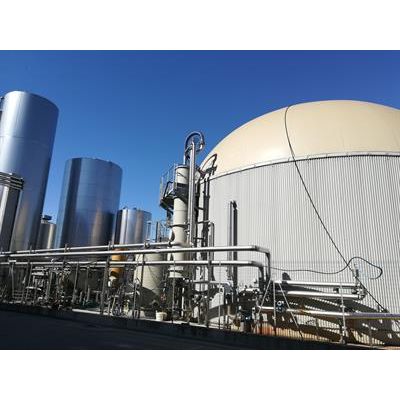
Dairy industry faces the challenge of the disposal of many by-products from the production process, such as Whey, Hot Whey, Buttermilk and cheese processing wastewater. Our cost-effective solutions allow taking advantage of all the by-products, which either are a cost or have low value, thanks to the generation of biogas. The most common treatments are either Anaerobic treatment only with a medium-low biological plant, or a Dissolved Air Flotation followed by a high load biological plant. The benefits are the on-site production of renewable energy, which can be used to reduce electricity and gas consumption; total enhancement of low-value by-products; Production of a high-quality digestate; decrease of the «Carbon Footprint» for wastewater treatment; improvement of the entire wastewater treatment process and reduction of the sludge volume by up to 90; discharge of high-quality treated effluents, in combination with a final aerobic treatment, which meet the most rigorous regulations.Most popular related searches
wastewater treatment
dissolved air flotation
wastewater treatment system
wastewater treatment optimization
wastewater industry
process wastewater
wastewater processing
air flotation
anaerobic treatment
aerobic treatment
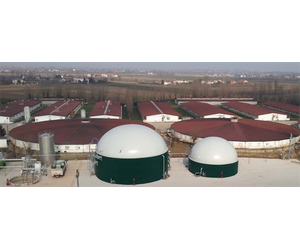
Complete mixed process with anaerobic biomass recirculation which allows an increase of biomass concentration and a reduction of digester volume. Suitable for sludge with low solids contents or wastewater (in dairy industries and others Fluence has > 10 installations).
In addition to wastewater, the dairy industry also produces the following liquid by-products:
- Whey: it is the liquid that remains after adding the rennet to the milk and separating the curd (which will then give rise to the cheese).
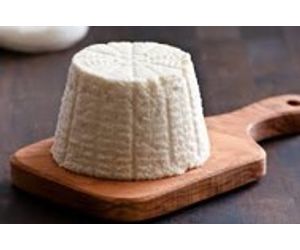
- Hot-whey: the whey, if heated, creates to a second curd from which the ricotta is formed. The resulting liquid is called hot-whey.
- Buttermilk: it is the liquid that remains after separating the cream from the milk and forming butter.
- Cooking water: these are high COD wastewater that originates from the formation of spun paste cheeses.
Stay in the loop!
Select your areas of interest to receive industry updates.