

- Home
- Companies
- Zetaş Kimya
- Applications
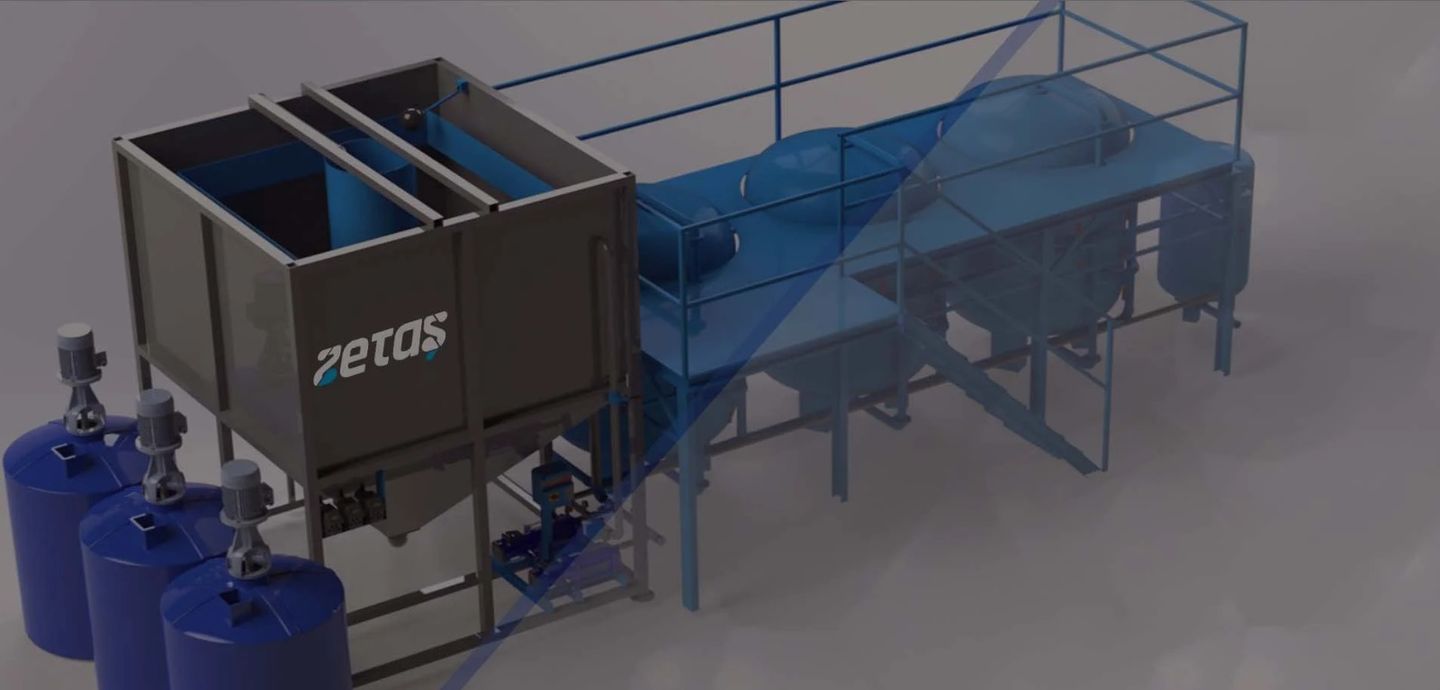
- Water and Wastewater Treatment Systems ...
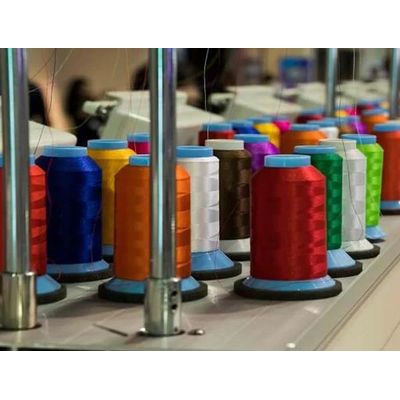
Water and Wastewater Treatment Systems for Textile - Textile
Textile industries are water-intensive and large amounts of water are used in textile manufacturing processes. Almost all dyes and chemicals are applied to textiles in water baths. Preparation steps such as desizing, washing, bleaching and mercerizing generally use aqueous systems. The importance of water in textiles is noted by the textile industries in India and China, their use of local water supply, and the mixing of untreated wastewater, which is composed of fats, oils, colors and other chemicals added in a few steps, which is mixed in turn and directly into local streams and rivers.
It pollutes our ecosystem. The amount of water varies greatly in different industries and also depends on the particular processes. Adapting water-friendly technologies,
The importance of water in textiles, although alternative dyeing methods have been developed in anhydrous environment, water is the most important process medium in dyeing textile fibers. In addition to being a solvent for many dyes, water also has the function of structural activator through the hydration process of the functional fiber group, which is of great importance for the adsorption and diffusion of dyes in the inner region of the fibers. The importance of water in textiles, the role of water in terms of dissolution of dyes and plastification of fibers has been examined and also the importance of water as a process medium has been pointed out within the framework of the discussed models of diffusion of dyes in fibers.
Waste Water Systems
The textile industry is one of the largest consumers of water, consuming large amounts of water in various process steps such as pretreatment, dyeing, printing and finishing. The total amount of water consumed depends on the fiber type, the type of machinery used and the type of finishing effect required in the final product. Due to the use of different chemicals such as dyes, soda ash, caustic soda, salt, acid, formaldehyde-based resin and chlorine bleach in the textile processing plant, a large amount of waste with adverse effects is generated. Wastewater systems have been used in the past using different processes, i.e. irradiation technology, low liquor continuous process, microwave assisted process, nanomaterials and biomaterials, foam finishing, digital printing and others, to minimize the toxicity of wastewater and reduce the consumption of water and chemicals (energy saving). added value has been developed. The parameters and technical aspects of these processes are summarized in detail. Various innovative approaches to wastewater treatment are also highlighted in this section.
The need for water is a major concern and, like climate change, is primarily based on population growth. Given the financial situation and the distribution of current withdrawals, future withdrawals can be predicted. Waste water systems, withdrawal of water is mainly used in agriculture, industry, household sectors, etc. done by industries. The increase in population and related activities cause an increase in water consumption in daily life, which makes it possible to implement water saving, which is one of the biggest problems in the world. Various laws and directives for the protection of water resources consist of various activities. The main purpose of water saving is to protect water for future generations and prevent water scarcity. The current chapter depicts the laws,
Water use and waste water management in the Textile Industry
Process Water Protection
Washing
Washing and rinsing processes are two of the most common processes in textile manufacturing with significant pollution prevention potential.
Water use and wastewater management in the Textile Industry includes many treatment, washing and rinsing steps, and optimizing washing processes can result in significant water savings. In some cases, the implementation of careful inspections and controls can result in wastewater reductions of up to 70 percent. The washing and rinsing stages of preparation typically require more water than other stages (eg bleaching, dyeing). A few typical wash and rinse processes include:
- Stop batch washing and fill.
- Overflow batch washing.
- Continuous washing (countercurrent, horizontal or inclined washers).
A report on water consumption for a typical continuous bleach range found that consumption is more than 11,000 gallons per hour, or 270,000 million gallons per day. (See Figure 3.) The wash stages accounted for 9,900 gallons per hour, or 90 percent of the total. Implementing the following simple, low-tech water conservation methods has reduced water use:
- Streamline flows properly: Save 300 gallons per hour.
- Counter-flowing bleach to clean: 3,000 gallons per hour savings.
- Counterflow scrub for sizing: 3,000 gallons per hour savings.
The total water savings without process change was 150,000 million gallons per day, or 55 percent of water use. A process modification, such as a combined single-stage bleaching and washing process, would save energy as well as 6,200 gallons of water per hour, or an additional 150,000 million gallons per day.
Drip Fill and Overflow Wash
In the drip/fill method of batch washing, the used wash water is drained and a new wash bath is filled into the machine. The fabric or other substrate in the machine retains most, perhaps as much as 350 percent, of the previous bath. This percentage can be reduced by mechanical means (eg extraction, blowdown). Comparison of various washing methods after bleaching shows the benefits of countercurrent washing methods.
The fifth and sixth methods using counter-current flushing save 26 and 53 percent compared to the standard drip/fill method.
These results are based on comparisons of washing processes using computer models to achieve the same degree of reduction in fabric soiling.
Countercurrent washing processes require the addition of holding tanks and pumps. The capital cost of installing such a reuse system is typically less than $50,000, with an estimated annual savings of $95,000. In many cases, reducing wastewater also reduces the need for expensive waste treatment systems.
Reusing Washing Water
Many strategies can be applied to reuse wash water. Three of the most common strategies are countercurrent washing, contamination reduction, and reusing wash water for cleaning purposes.
Countercurrent Washing
The countercurrent washing method is relatively simple and inexpensive to use in multistage washing processes. Basically, the least contaminated water from the last wash is reused for the next wash, until the water reaches the first wash stage and then drained. This technique is useful for continuous dyeing, printing, desizing, cleaning or washing after bleaching.
An important variant of the countercurrent principle is horizontal or inclined washers. Horizontal or inclined washing is more efficient due to the natural countercurrent nature of the water flow in the process. However, the mechanical construction of an inclined or horizontal countercurrent washer should be much better than a conventional vertical washer.
Sloppy roll settings, weak or undersized rolls, unevenness, kinks, curves, biases, bearing play or other misalignments within the machine are much more important on a horizontal or inclined washer because the weight of water pressing against the fabric can cause the fabric to fray. sag, balloon, or stretch.
If properly built and maintained, horizontal or inclined washers can produce high-quality fabrics while saving money and water.
Reducing Carriage
Since the purpose of washing is to reduce the amount of impurities in the substrate, as much water as possible should be removed between successive washing steps in multistage washing processes.
Water containing contaminants that are not removed is carried to the next step, which adds to washing inefficiency.
Proper evacuation in the heap drop/fill wash and proper extraction between the steps in the continuous wash process are important. Typically, 350 percent owg is carried in typical drop/fill procedures.
This amount can be reduced on some batch machines (eg yarn package dyeing, stock dyeing) by using compressed air or vacuum blowing between washing steps.
In continuous washing processes, spin rollers or vacuum extractors typically draw water between steps.
Multistage washing processes use equipment that uses vacuum technology to reduce entrainment and carry-over of fabric, stock or yarn and chemical solutions to improve washing efficiency.
In one case history, a processor placed vacuum slots after each wash box in an existing multistage continuous wash line and was able to reduce the number of boxes from eight to three. Wash boxes with built-in vacuum extractors can be purchased, as well as washers for prints that combine sequential spray and vacuum slots without any bath for the fabric to pass through. Since the fabric is never immersed in water, bleeding, marks and stains on the floors are minimized and water usage is reduced.
Another washer configuration with built-in recycling features is the vertical counterflow washer, which sprays recirculated water onto the fabric and uses rollers to squeeze the waste from the fabric into a sump, where it is filtered and recirculated. The filter is unique, consisting of continuous loops of polyester fabric that are constantly rotating and are purified from filtrate with a spray of clean water at one end. This structure allows for maximum removal of suspended solids from the water before it is discharged or reused in another process. High efficiency washing results with low water usage. Energy use is greatly reduced as less water needs to be heated.
Reuse for Cleaning Purposes
In many types of processes, the washing water can be reused for cleaning purposes. In printing, cleaning activities can be performed with used wash water, including:
- back wash gray blanket
- Screen and wiper cleaning
- Color shop cleaning
- Equipment and facility cleaning
A typical preparation department can also reuse wash water as follows:
- Reuse scrub rinses for desizing
- Reuse merserizer wash water for scrubbing
- Reuse bleach wash water for scrubbing
- Reuse water jet loom wash water for desizing
- Recycle kier drains to saturation
Business Applications
Workers can greatly affect water use. Sloppy chemical handling and poor cleaning can result in overcleaning. Poor scheduling and mix planning can also require excessive cleaning and lead to unnecessary cleaning of equipment such as machines and mix tanks. Leaks and spills must be reported and repaired promptly.
Equipment maintenance, especially washing equipment maintenance, is essential.
Improper work practices waste a significant amount of water, and good procedures and training are essential. An operations audit checklist is useful for operator reference, training, and retraining when operations are controlled manually.
In one case history, a knitting factory was exposed to excessive water use in its dyeing machines. A study of operating practices revealed that each operator fills machines to a different level. Some operators filled chests to a depth of 16 inches, others as much as 24 inches. Also, the amount of water used for washing varied. Some operators used an overflow procedure and others used drip/fill or half bath (repeatedly emptied half of the bath, then refilled).
Examination of the written procedures showed that the filling step was simply filled. The wash step just said wash. Without training and without a specific operating procedure, operators were left to determine their own water use. This may seem extreme, but even the best mills with well-documented production procedures often do not have documented cleaning procedures. Cleaning processes that contribute large amounts of pollution to the total waste stream include machine cleaning, sieve and squeegee cleaning, and drum washing.
Engineering controls
Each mill should have mobile water meters that can be installed on separate machines to document water use and evaluate improvements. In practice, mills rarely measure water use, but they do rely on manufacturers` claims regarding equipment and water use.
Manufacturers` estimates are useful starting points for evaluating water consumption, but the actual performance of equipment depends on the chemical system and substrate used. Therefore, water usage is situation specific and must be measured on site for accurate results. Water meters should be regularly maintained and calibrated.
Other important engineering controls, some of which are discussed elsewhere in this chapter, include:
- Flow control in washers
- Flow control in cooling water (use minimum required)
- Countercurrent washing
- High extraction to reduce friction
- Recycle and reuse
- Detection and repair of leaks
- Detection and repair of faulty toilets and water coolers
Where possible, machinery should be inspected and improved to facilitate cleaning and reduce susceptibility to contamination. Bath rates can sometimes be reduced by using displacers, which results in lower water use as well as lower chemical requirements for pH control.
Process Changes
Bumper Painting
In pad-batch dyeing, the prepared fabric is filled with a solution of fiber-reactive dyestuff and alkali, then stored (or stacked) on rolls or boxes and covered with plastic film to prevent water evaporation or absorption of carbon dioxide from the air. The fabric is then piled for two to 12 hours.
Washing can be done with all kinds of equipment in the mill.
Pad-batch dyeing offers many important advantages, primarily cost and waste reduction, simplicity and speed. Production of 75 to 150 yards per minute is common, depending on the nature and weight of the goods involved. Also, pad-batch dyeing is flexible compared to a continuous range. Both weaves and knits can be dyed in many structures.
Frequent shade changes are not a problem because the reagent remains water-soluble, making it easy to clean up. This painting method is useful when versatility is required. Water use typically drops from 17 gallons per pound to 1.5 gallons per pound, which is more than a 90 percent reduction.
Processing Bath Reuse
Water from many processes can be renewed for reuse in a variety of ways. Various research studies are carried out. In a few operations, up to 50 percent of treated wastewater is recycled directly from the wastewater into the raw water intake system with no negative impact on production.
In some cases, certain types of wastewater may be recycled within a process or department. Examples are reuse of the dyebath, reuse of the bleach bath, reuse of the final rinse as the loading bath for the next batch, reuse of the wash water, reuse for countercurrent washing and other purposes.
Bleach Bath Reuse
Cotton and cotton blend preparation (eg desizing, washing, bleaching) is carried out using continuous or batch processes and are often the largest consumers of water in a mill. Continuous processes are much easier to adapt to wastewater recycling/reuse, as the waste stream is continuous, has fairly stable characteristics, and is often easy to separate from other waste streams. Waste stream reuse in a typical bleaching unit for polyester/cotton and 100 percent cotton fabrics includes:
- Recycling of J-box and kier drainage wastewater to saturators
- Using countercurrent washing
- Recycling continuous scrub wash water for bulk scrubbing
- Recycle washer water back to gray blanket wash
- Recycle washer water for screen and squeegee cleaning
- Recycling wash water to color shop cleaning
- Recycling of washer water to equipment and facility cleaning
- Reusing scrub rinses for desizing
- Reusing merserizer wash water for scrubbing
Preparation chemicals (including optical brighteners and tints) should only be chosen so that reuse does not create quality problems such as staining.
Batch washing and bleaching is less easy to accommodate for recycling of waste streams because flows occur intermittently, drains often enter pits and are not easily separated, and batch preparation steps are often combined. With the appropriate holding tank, however, the bleach bath can be reused in a similar fashion to paint reuse of the bath, and various pieces of equipment are now available that are required holding tanks. The used bleach bath contains all the necessary alkali and heat for the next bleaching process. Peroxide and chelates must be added to regenerate the bath.
Like dyebath reuse, the number of reuse cycles in bleachbath reuse is limited by contamination build-up. The main impurities are metals such as iron that can interfere with the bleaching reaction.
New types of rope bleaching units for knits with six to 12 stage jet conveying systems have made it possible to continuously bleach most knitting styles.
These units were introduced in the late 1970s and typically produce 40 pounds per minute or more than a million pounds per month of knit fabric based on a three-shift, six-day operation. These machines have become very popular with large knitting processors due to their flexibility and ability to conserve energy, water and chemicals.
They also have full built-in countercurrent capabilities. These units are encouraged for use in fiber reactive and other types of dyes (eg after buffer batch dyeing) after washing, in addition to use as continuous knit preparation intervals.
Final Rinse Reuse as Loading Bath for Next Batch
A simple technique that saves water, and in some cases BOD loading, is to reuse the last bath in a dyeing cycle to load the next batch.
This technique works well when the same color is repeated or the dyeing machine is fairly clean.
If I offer a good example of this technique, it is the acid dyeing of nylon stockings. The final bath usually contains an emulsified softener that flows to the substrate leaving the emulsifier in the bath. This technique can serve as the wetting agent to load the next batch, thus saving water, heat and wetting agent and associated BOD.