

- Home
- Companies
- Data Essence Limited
- Articles
- A Quick Guide to CLP Pictograms
A Quick Guide to CLP Pictograms
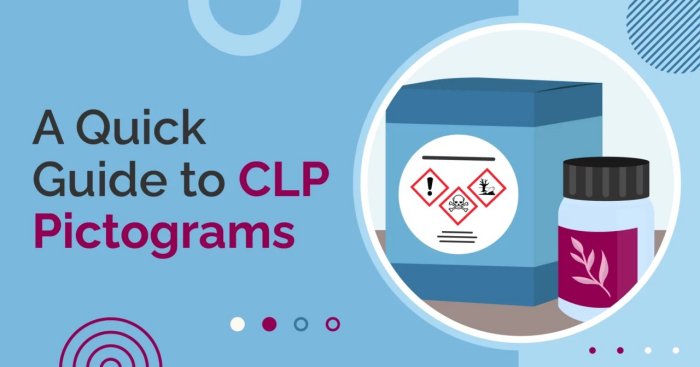
The CLP (Classification, Labelling and Packaging) pictograms are essential for communicating information about the hazardous properties of a substance or mixture. This article will provide an overview of these pictograms and explain how they are used in hazard communication.
The CLP Regulation is a legal requirement for all substances and mixtures sold within the European Union (EU). This regulation requires companies to classify their products according to predefined criteria and label them with relevant symbols related to hazards posed by the product. These symbols are known as CLP pictograms. CLP pictograms consist of nine symbols which show physical, health, environmental and other hazards associated with certain substances or mixtures, making it easier for people handling such materials to identify potential risks quickly.
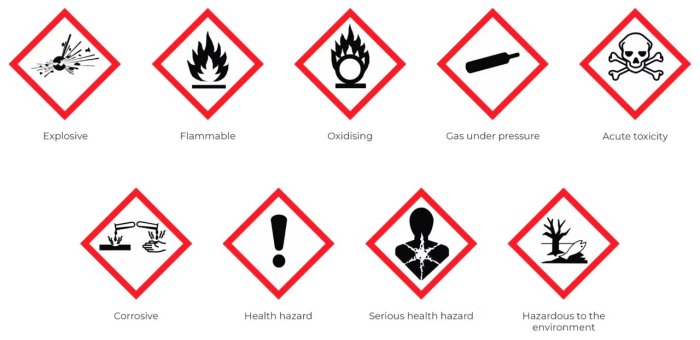
The nine EU CLP hazard pictograms include:
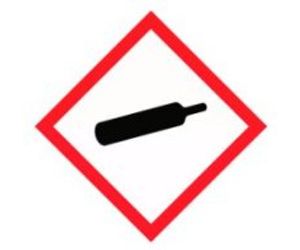
- gas under pressure
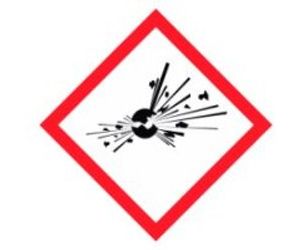
- explosive
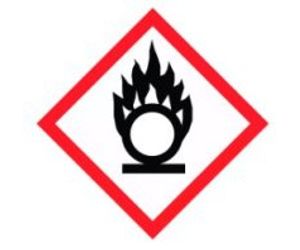
- oxidising
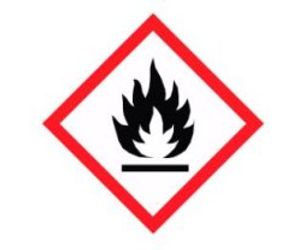
- flammable
- corrosive
- health hazard/hazardous to the ozone layer
- acute toxicity
- serious health hazard
- hazardous to the environment
These symbols form part of the requirement for display on the CLP label alongside other labelling requirements, such as signal words, hazard statements and precautionary statements, which convey additional information about the specific risk associated with each type of substance or mixture. Combining these elements creates a comprehensive labelling system that ensures proper safety measures can be taken when dealing with hazardous materials.
The CLP Regulation, an essential framework within the EU, establishes a comprehensive system for the classification and labelling of hazardous chemicals. In line with the globally recognised United Nations Globally Harmonized System (GHS), CLP pictograms are pivotal in communicating critical safety information to users.
It is worth noting that even with the UK’s departure from the EU, the EU CLP Regulations are still upheld in Great Britain (GB) law. This continuity ensures that the primary obligations for hazardous substance classification, labelling, and packaging remain unchanged. Therefore, products introduced to the market within the EU, the broader European Economic Area (EEA), encompassing Iceland, Liechtenstein, and Norway, as well as Northern Ireland, continue to adhere to the EU CLP Regulation.
Concurrently, the GB CLP Regulation governs GB-based manufacturers, importers, downstream users, and distributors serving the GB market. This encompasses entities in Northern Ireland that directly supply the GB market. It is imperative to emphasise that while CLP guidelines significantly dictate label content, verifying and adhering to specific requirements contingent upon the intended destination market for the product remains crucial.
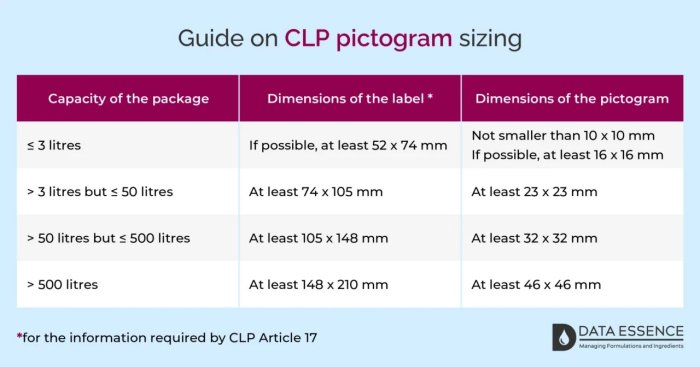
Here are the minimum dimensions of labels and pictograms under the CLP Regulation.
The exploding bomb symbol is particularly significant, indicating the presence of unstable explosives. Understanding this symbol is critical as it warns of various hazards, including mass explosions, fire risks, and severe projections. Handling such materials demands meticulous safety measures.
The flame over circle symbol, also known as the oxidising symbol, signifies oxidisers, which can fuel fires and even cause explosions. Common substances with this symbol include bleach and medical oxygen.
Safety measures are paramount when dealing with these materials. Store them away from ignition sources, prohibit smoking, and use personal protective equipment (PPE) like gloves and eye protection. In case of contact, rinse affected skin and clothing promptly.
Familiar products like lamp oil, petrol, and nail polish remover can bear this symbol, highlighting the need for understanding and respecting its potential dangers.
The corrosion symbol indicates substances capable of corroding metals and causing severe harm to the skin and eyes. Understanding this symbol is crucial, emphasising the need for meticulous precautions.
When dealing with corrosive substances, strict safety measures are imperative, including avoiding inhalation, wearing protective gear like gloves and eye protection, and thorough washing after handling. Proper storage in locked containers is essential to prevent unauthorised access and maintain appropriate labelling and identification.
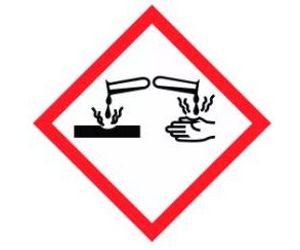
Handling substances commonly found in household products like detergents and cleaners requires proper precautions, including ventilation, outdoor use when possible, and wearing protective gear. In case of accidental exposure, seek medical advice promptly. Avoid consumption while working with such substances.

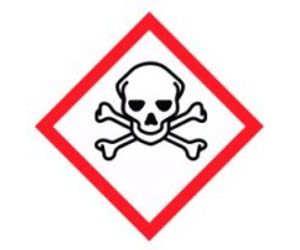
The skull and crossbones symbol, known as the acute toxicity symbol, is a stark warning indicating high toxicity that can be fatal if ingested, touched, or inhaled. It is commonly found on products that contain substances like pesticides, biocides, and methanol.
When handling materials with this symbol, strict safety measures are vital. These include thorough handwashing, never eating, drinking, or smoking while working with them, seeking immediate medical help if swallowed, handling contaminated clothing with care, and avoiding skin and eye contact. Personal protective equipment like gloves, suitable clothing, and eye protection should be used, along with precautions against inhalation risks and secure storage to prevent unauthorised access.
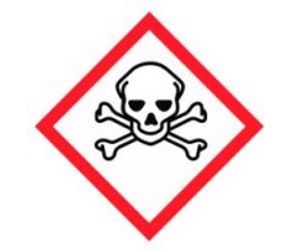
When handling materials marked with this symbol, rigorous safety measures are essential. Seek immediate medical help if ingested or exposed, avoid inhaling any substances generated, maintain hygiene practices, monitor your well-being, follow special instructions, use personal protective equipment, consult a doctor in case of exposure, and provide respiratory protection when necessary. In cases of breathing difficulty, ensure fresh air and a comfortable position.
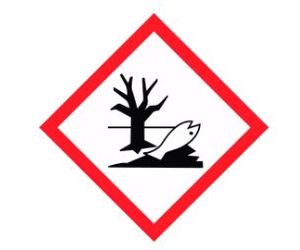
The hazardous to the environment symbol, featuring a dead tree and fish, signifies substances that can cause lasting harm to ecosystems, particularly aquatic life.
Responsible handling of substances marked with this symbol is essential. It involves preventing environmental releases, containing spills, and ensuring responsible disposal to protect fragile ecosystems and minimise harm to the environment.
- Education and training: Providing employees with comprehensive training sessions on deciphering and responding to CLP pictograms is paramount. Knowledge empowers individuals to protect themselves and others effectively.
- Protective measures: Where necessary, employers must equip their staff with suitable protective equipment, enhancing safety and minimising risks associated with hazardous chemicals.