


Data Essence Limited articles
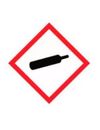
Whether you already handle products with gas cylinders or are si
As the UK bid farewell to the EU on January 31, 2020, regulatory shifts set in motion a unique challenge – the divergence between the EU’s Harmonised Classification and Labelling List (C&L) and the UK’s Mandatory Classification List (MCL).
While this divergence touches various sectors, we focus on the fragranced goods industry. A bottle of perfume, a scented candle, or an air freshener – they all carry labels that convey essential information about their
Chemicals are a part of our everyday lives, and we use them for various purposes. However, many chemicals can be hazardous to our health and the environment if not handled correctly. The CLP Regulation is a set of rules designed to ensure that chemicals are labelled correctly and that people who use them know of potential hazards. In this ultimate guide for CLP Labels, we will explore the CLP Regulation, why it is important, what it covers, and how to create compliant and effective CLP labels
If you are associated with the fragrance industry or are interested in fragrances, you have most likely heard of IFRA. The International Fragrance Association (IFRA) is the global body that represents the fragrance industry. IFRA plays a vital role in ensuring that the fragrances produced and used worldwide are safe for people and the environment. This blog will outline what you need to know about IFRA and their Standards.
If you are associated with the fragrance industry or are interested in fragrances, you have most likely heard of IFRA. The International Fragrance Association (IFRA) is the global body that represents the fragrance industry. IFRA plays a vital role in ensuring that the fragrances produced and used worldwide are safe for people and the environment. This blog will outline what you need to know about IFRA and their Standards.
Do you know what CLP labelling is and why it’s essential for businesses? If not, you’re in the right place. In this article, we will discuss what CLP labelling entails and why following guidelines is so important. We’ll also look at how companies can meet all the requirements when labelling their chemical products. Keep reading to get all your questions answered!
The Classification, Labelling, and Packaging (CLP) Regulation ensures that hazardous substances and mixtures are managed, communicated, and labelled consistently and securely. Annex VIII to the CLP Regulation dictates the Unique Formula Identifier (UFI) requirements and your obligations to notify Poison Centres of hazardous mixtures on the market as of 2021. Under this regulation, companies and downstream users who manufacture or import hazardous mixtures into the EU must includ
The CLP (Classification, Labelling and Packaging) pictograms are essential for communicating information about the hazardous properties of a substance or mixture. This article will provide an overview of these pictograms and explain how they are used in hazard communication.
The CLP Regulation is a legal requirement for all substances and mixtures sold within the European Union (EU). This regulation requires companies to classify their products according to predefined criteria and lab