


- Home
- Companies
- Beston Group Co., Ltd.
- Articles
- Achieving Sustainability in Tyre rCB ...
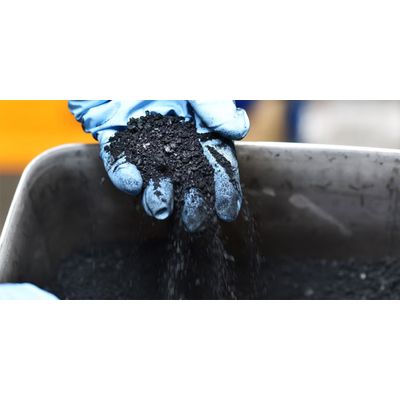
Achieving Sustainability in Tyre rCB Production
The increasing accumulation of waste tyres is a growing environmental concern, with billions of tyres discarded every year. Conventional disposal methods, such as incineration and landfilling, are both inefficient and environmentally damaging. However, innovative technologies such as tyre pyrolysis have provided a sustainable alternative, turning waste tyres into valuable resources. The production of recovered carbon black (rCB) through tyre pyrolysis is emerging as a key player in sustainable waste management and resource recovery.
The Role of Tyre Pyrolysis in rCB Production
Tyre pyrolysis is a thermochemical process that decomposes tyres at high temperatures in an oxygen-deficient environment. This process converts tyres into three primary products: oil, gas, and solid carbon black. The solid carbon black, known as rCB, is a valuable material with a wide range of industrial applications, particularly in rubber manufacturing, plastics, and coatings.
A tyre pyrolysis plant uses advanced pyrolysis reactors to optimize the breakdown of tyres into these products, extracting high-quality rCB while minimizing emissions. By providing a way to recycle carbon black, which is traditionally derived from petrochemical processes, tyre pyrolysis plays a crucial role in reducing dependence on fossil fuels.
Environmental Benefits of rCB Production
One of the most significant advantages of tyre pyrolysis for rCB production is its ability to reduce environmental pollution. Waste tyres are a major source of landfill waste, and incinerating tyres contributes to air pollution and the release of toxic chemicals. Pyrolysis, on the other hand, not only provides an eco-friendly alternative to these disposal methods but also produces valuable byproducts that can be used in various industries.
The rCB produced from tyre pyrolysis has similar properties to virgin carbon black, which is commonly used as a reinforcing agent in rubber products. By recycling carbon black, the tyre pyrolysis plant helps close the loop in the production chain, reducing the demand for virgin materials and lowering the carbon footprint of rubber and plastics industries.
Moreover, the process of tyre pyrolysis produces less harmful emissions than conventional incineration. With the right emission control systems in place, tyre pyrolysis can minimize the release of hazardous gases such as carbon monoxide, nitrogen oxides, and volatile organic compounds (VOCs), making it a cleaner, more sustainable alternative.
Reducing the Need for Virgin Carbon Black
Carbon black is a crucial material in the production of tyres and other rubber products. Traditionally, it is derived from petroleum-based feedstocks, which contribute to the depletion of natural resources and increased greenhouse gas emissions. By producing rCB through tyre pyrolysis, companies can reduce their reliance on virgin carbon black, thereby conserving fossil resources and lowering their environmental impact.
In addition to providing a sustainable source of carbon black, tyre pyrolysis also offers a valuable solution for the disposal of end-of-life tyres, which are often challenging to recycle. The rCB produced is of high enough quality to be used in a variety of applications, including the manufacture of new tyres, automotive parts, and industrial rubber goods. This closed-loop approach not only reduces the environmental burden of tyre disposal but also contributes to the circular economy by reintegrating recycled materials into production processes.
Economic and Resource Efficiency
The production of rCB through tyre pyrolysis also offers significant economic benefits. Recycling waste tyres into high-quality rCB allows businesses to create a valuable product from what would otherwise be considered waste. The process provides a cost-effective alternative to sourcing virgin carbon black, which can be expensive and subject to volatile market prices.
Additionally, the tyre pyrolysis plant generates other valuable byproducts, such as pyrolysis oil and combustible gas, which can be used to power the pyrolysis process itself or sold as alternative fuels. This further enhances the economic feasibility of tyre pyrolysis, making it a viable solution for both waste management and resource recovery.
Furthermore, the reduction in waste tyre disposal costs and the ability to generate revenue from the sale of rCB and other byproducts makes tyre pyrolysis an attractive investment for businesses. As global demand for sustainable and circular solutions grows, the market for rCB is expected to expand, driving further interest in tyre pyrolysis plants.
Future Directions for Sustainable rCB Production
As technology advances, the efficiency and scalability of tyre pyrolysis plants continue to improve. Innovations in reactor design, process optimization, and emissions control are enabling higher yields of rCB with reduced environmental impact. Moreover, increased research into the properties and potential applications of rCB is expanding its uses beyond traditional rubber manufacturing, opening new markets in industries such as electronics, coatings, and batteries.
The integration of renewable energy sources and the implementation of carbon capture technologies in tyre pyrolysis plants could further enhance the sustainability of rCB production, making it a key component of a green economy.
In conclusion, tyre pyrolysis offers a sustainable and economically viable solution for the production of rCB, contributing to waste reduction, resource recovery, and environmental protection. By utilizing a tyre pyrolysis plant, businesses can reduce their reliance on fossil fuels, lower their carbon footprint, and promote a more circular approach to material use, paving the way for a cleaner, more sustainable future.