


Beston Group Co., Ltd. articles
The global plastic waste crisis is worsening at an alarming rate—each year, over 360 million tons of plastic is produced worldwide, yet only 9% is effectively recycled, according to recent statistics. A staggering 79% ends up in landfills, oceans, or natural environments, polluting ecosystems and threatening sustainable development. Traditional mechanical recycling, which relies on melting and reshaping, faces inevitable limitations: difficult sorting of mixed plastics and irreversible
The global woodworking industry—encompassing furniture making, construction, and paper production—generates a staggering amount of sawdust annually. Estimates suggest that for every ton of processed wood, up to 150 kilograms of sawdust is produced, totaling millions of tons worldwide. For decades, this fine, powdery by-product was considered a nuisance: dumped in landfills where it decomposed to release methane (a greenhouse gas 28 times more potent than CO₂ over 100 years), or
Plastic waste has become one of the most pressing environmental challenges of our time. Every year, over 400 million tons of plastic are produced worldwide, and less than 10% is effectively recycled. The rest ends up in landfills, incinerators, or, worse, the natural environment. Traditional mechanical recycling—where plastics are melted and reprocessed—has limitations: it can only handle certain types of plastic, and repeated recycling degrades material quality. As a result, scie
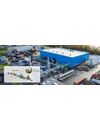
The proliferation of plastic waste has become one of the most pressing environmental challenges of the century. Conventional disposal methods such as landfilling and incineration are increasingly restricted by regulatory pressure and public concern. Pyrolysis technology offers a viable route to transform discarded plastics into valuable resources, reducing ecological burdens while creating commercial opportunities.
Transformation of Waste into Energy
At the center
Oil sludge, a byproduct of the petroleum industry, is a challenging waste material that requires efficient disposal or treatment. One promising method for processing oil sludge is oil sludge pyrolysis, a thermal decomposition process that breaks down complex hydrocarbons into useful products like oil, gas, and solid residues. However, one crucial factor that significantly affects the efficiency and quality of the pyrolysis process is the moisture content of the raw material.
Wh
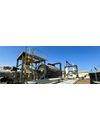
The global pursuit of decarbonization has intensified the demand for technologies that deliver verifiable emission reductions. Thermal desorption technology, deployed through a tdu unit, is increasingly recognized as a viable tool within carbon credit frameworks. By enabling the remediation of hydrocarbon-contaminated soils and residues, while simultaneously recovering usable energy, the technology intersects with both environmental restoration and climate finance.
Role of TDU
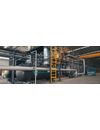
Urban centers generate an immense volume of end-of-life tyres each year, and conventional disposal methods such as incineration or landfilling exacerbate environmental burdens. The tyre to oil plant introduces a transformative approach to this challenge by applying pyrolysis technology. Through controlled thermal decomposition, waste tyres are converted into fuel oil, carbon black, and combustible gas. This process not only alleviates the pressure on municipal waste systems but also yields re
The oil and gas industry has been grappling with the issue of oil sludge disposal for decades. Oil sludge, a byproduct of crude oil production, contains high levels of hydrocarbons and toxic materials, making it both an environmental and economic challenge. Traditional methods of disposal, like landfilling or incineration, are costly and often environmentally damaging. However, a newer technology — thermal desorption — offers a promising solution to not only safely treat oil sludg
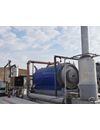
Urban centers face escalating challenges in solid waste disposal, exacerbated by population growth, limited landfill capacity, and increasing environmental regulations. Integrating thermal conversion technologies into municipal waste strategies offers a pathway to reduce waste volume, reclaim energy, and minimize ecological impact. Among these technologies, the small scale pyrolysis plant has emerged as a practical and adaptable solution for urban waste valorization.
Decentrali
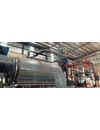
The global shift toward carbon neutrality has opened new economic pathways for industrial recyclers, particularly those operating a tyre pyrolysis plant. As environmental regulations tighten and voluntary carbon markets expand, facilities that convert waste tires into usable resources are increasingly positioned to generate verified carbon credits. This economic incentive not only enhances project bankability but also reinforces the environmental value of pyrolysis-based recycling systems.