
Dieselcraft Fluid Engineering Div of Magnum Group
- Home
- Companies
- Dieselcraft Fluid Engineering Div of ...
- Articles
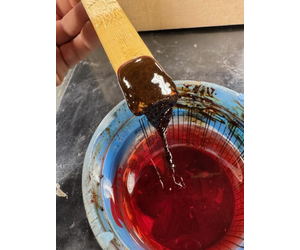
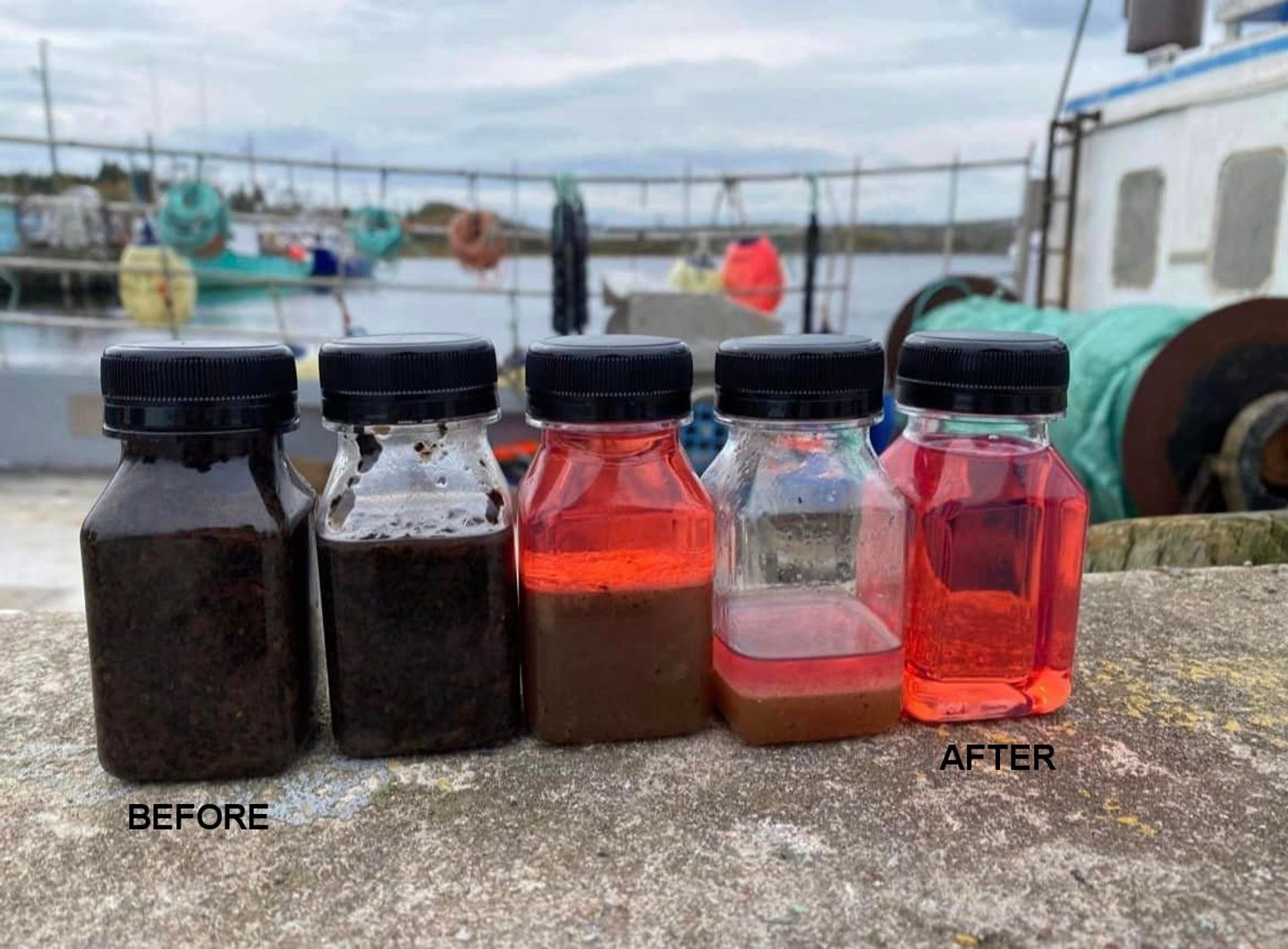
- Black or Brown Solids in My Fuel
Black or Brown Solids in My Fuel
Jul. 6, 2025
When biodiesel is poorly made—often referred to as “bad biodiesel”—one of the biggest red flags is a high concentration of glycerine (or glycerin/glycerol).
Most popular related searches
can separator
gas chromatography
membrane filtration
vacuum distillation
gas chromatography measurement
piston valve
chromatography measurement
sedimentation tank
EN standard
filtration membrane
Here’s why that matters:
What Glycerine Is in Biodiesel
- Glycerine is a byproduct of the transesterification process used to make biodiesel from fats or oils.
- Ideally, it should be separated and removed during production.
- If not properly removed, it remains in the fuel as free glycerine or bound glycerides (mono-, di-, or triglycerides).
Why High Glycerine Is a Problem
- Engine Damage: Excess glycerine can clog fuel injectors, form deposits on pistons and valves, and lead to poor combustion.
- Cold Weather Issues: Glycerine solidifies at relatively high temperatures, which can cause fuel gelling and blockages in cold climates.
- Storage Instability: Glycerine can separate out over time, reducing shelf life and causing sediment in tanks.
- Fails Standards: High glycerine levels mean the fuel doesn’t meet ASTM D6751 or EN 14214 standards, making it unsuitable for commercial use.
How It’s Measured
- Standards like ASTM D6584 and EN 14105 use gas chromatography to measure both free and total glycerine in biodiesel.
- Acceptable limits are very low—typically
Can It Be Fixed?
- Yes, but it requires reprocessing or purification, such as:
- Washing the biodiesel to remove impurities
- Vacuum distillation
- Membrane filtration or electrodialysis for crude glycerine recovery