

Dieselcraft Fluid Engineering Div of Magnum Group articles
A diesel tank water absorber is a simple, passive device placed inside a fuel tank to physically soak up and trap water so it can’t mix with your diesel, cause corrosion, or damage injectors. It’s essentially a specialized absorbent “sponge” engineered to capture a specific amount of water and then be removed and replaced once saturated.
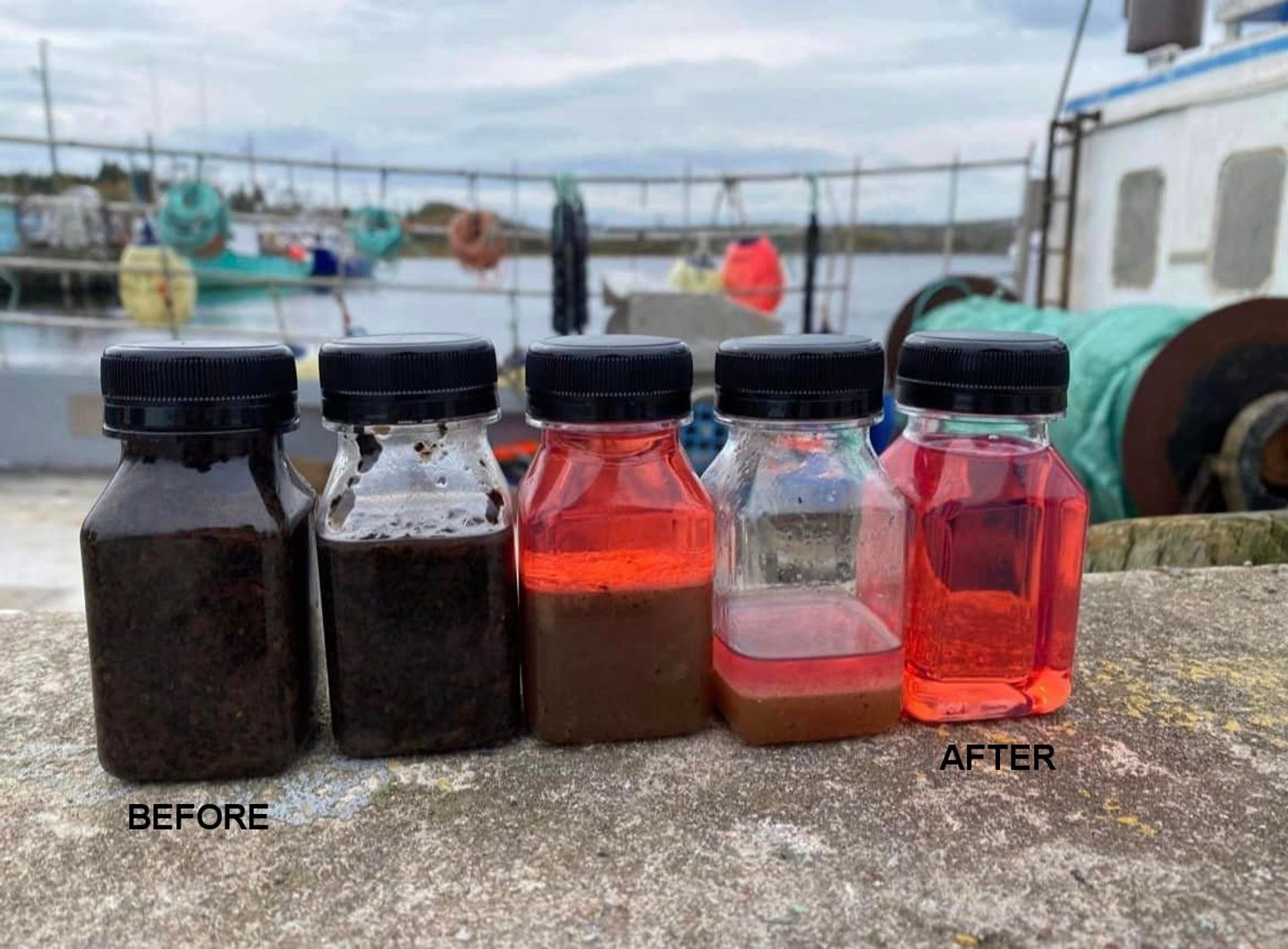
Eliminate water first (the primary enabler of microbial growth—”diesel bug”). Use water separators, polishing systems, or tank drainage.
Water contamination is one of the most common and damaging issues in diesel fuel storage and use. Diesel—particularly modern ultra-low sulfur diesel (ULSD) and biodiesel blends—is hygroscopic, meaning it naturally attracts and absorbs moisture from the surrounding air at a molecular level. This makes water ingress almost inevitable over time, especially in stored fuel.
Fuel Testing Regulations, Requirements and Parameters
Medical, Emergency / First Response, Senior Care / Assisted Living, Data Centers, Airports, Communication, Transportation, and Energy companies, all must test fuel annually.
Joint Commission Requirement on Fuel testing: EC.02.05.07-8, The National Fire Protection NFPA 110 2010 requires at least annually a fuel quality test in accordance with “approved ASTM standards.”
“At least annually, the critical
John T Nightingale
When biodiesel is poorly made—often referred to as “bad biodiesel”—one of the biggest red flags is a high concentration of glycerine (or glycerin/glycerol).
Hospitals and medical centers rely on emergency power generators to maintain critical operations during power outages or disruptions. These generators ensure the functionality of essential systems, including ventilators, operating room lights, refrigeration for medications, and life support systems. Without reliable backup power, patient safety and continuous medical care would be at serious risk.
Contaminants can have a significant impact on engine performance, whether it’s a gasoline or diesel engine. Here’s how various contaminants can affect engine performance:
Fuel degradation in storage tanks is a significant concern for industries relying on stored fuel, such as transportation, agriculture, construction, and backup power generation. Several factors contribute to fuel degradation over time, including:
Microbes are ubiquitous, but once they’ve entrenched themselves in your fuel system, half-measures may prove ineffective in eliminating them. Without addressing the root cause by removing free water and significantly reducing the active colony, microbial resurgence is likely. While achieving complete sterilization of a fuel system may be elusive, it’s possible to manage and mitigate biological activity to a level where it ceases to be a concern.
The “hot pan test” is a simple method used to detect the presence of water in oil. Here’s how to perform the test: