

- Home
- Companies
- Harp Renewables Limited
- Articles
- Hospitality Faces a Turning Point on ...
Hospitality Faces a Turning Point on Food Waste
The global hospitality sector wastes approximately 100 million tonnes of food annually, with waste streams spanning hotel buffets, restaurant portions, and spoilage. This waste incurs direct costs of around €300 million each year and drives greenhouse gas emissions through landfill methane. As Ireland pursues a target to halve food waste by 2030 under the UN Sustainable Development Goals, the sector confronts regulatory and reputational pressure to alter practices. For industry leaders, reducing waste is essential for sustainability, financial resilience, and long-term viability amid rising climate awareness and policy emphasis.
The Scale of the Problem
In Ireland, about 1.1 million tonnes of food waste is generated annually across the supply chain. In 2022, the hospitality and food service segment—including restaurants, hotels, B&Bs, pubs, and cafes—produced roughly 157,000 tonnes, with more than 66% deemed avoidable (leftovers, plate scrapings, and expired perishables). The environmental and financial implications are substantial: estimated sector losses of €300 million for food service and €2 billion for manufacturing; food waste contributes about 3.6 million tonnes CO2-e annually in Ireland, driven by landfill methane and the waste of water, energy, and land. Given that globally up to 10% of greenhouse gas emissions are linked to food waste, Ireland's trajectory underscores the need for systemic waste reduction.
Key Causes of Food Waste in the Hospitality Industry
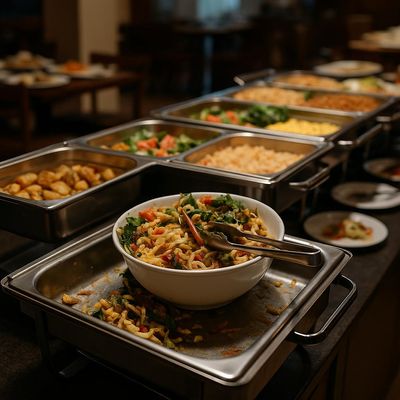
Waste stems from overproduction in high-volume settings such as hotels and buffets, where quantities are prepared to meet uncertain demand and to maintain a perception of abundance. Other major factors include oversized portions, insufficient staff training and unclear food-handling protocols, and the misapplication of best before or use by labels, leading to disposal of edible food due to labeling confusion, liability concerns, or time constraints.
The Impact of Food Waste in Hospitality
Estimates place waste at up to 20–30% of food purchases, with a significant portion avoidable. Waste increases energy, water, and resource use across production and service, and when landfilled, food waste releases methane, contributing to climate impact.
Why Managing Food Waste Matters
- Environmental impact: Reducing food waste lowers emissions and conserves water, energy, and land.
- Cost savings: Waste reduction improves inventory control, reduces over-ordering, and optimizes portions.
- Circular economy alignment: Diverting waste toward composting and reuse supports resource efficiency and resilience.
Expert Opinions
James Hogan, programme manager for the EPA Green Business initiative, estimates that each tonne of hotel or restaurant food waste costs the business between €3,000–€5,000, with a typical restaurant averaging around €24,000/year in losses and a hotel around €150,000/year.
David Flynn, Director at the EPA, notes that over 70% of Ireland's food waste originates from food and drink businesses—including hospitality—and urges sector-wide adoption of measurement tools and the EPA's Food Waste Charter. He highlights that Ireland wastes more than one million meals a day, signaling substantial resource and economic losses and urging action to measure and reduce waste.
Valamar Group’s Sustainable Hospitality Initiative in Croatia
Valamar Group, established in 2000 in Porec, operates 37 hotels and resorts in Croatia and Austria, plus 15 premium camping resorts along the Adriatic coast. As part of its ESG program, the 2020–2026 “Green Holiday by Valamar” agenda includes targets to use 100% renewable electricity, reforest more than 80,000 trees, reduce single-use items, and process food waste on-site.
To address on-site waste, Valamar partnered with Harp Renewables, installing three on-site food waste processors (2 Harp CX10, 1 Harp CX20) across key locations. This integration supports automated, hygienic waste disposal within kitchen operations.
Key results include:
- ~34.7 tonnes CO2e reduced annually and substantial diversion from landfills, reducing methane releases
- Near-zero food waste achieved at selected sites
- Nutrient-rich compost used for landscaping, replacing chemical fertilisers
- Lower waste collection costs and improved kitchen efficiency
- Enhanced eco-brand image and guest satisfaction
Looking forward, Valamar’s deployment of Harp CX10 and CX20 demonstrates a scalable, practical approach to sustainability in hospitality. Benefits include lower emissions and disposal costs, near-zero waste at select sites, and strengthened environmental credibility and guest appeal, contributing to a broader model for sustainable tourism in the Mediterranean.
Original: https://harprenewables.com/hospitality-faces-a-turning-point-on-food-waste/?utm_source=rss&utm_medium=rss&utm_campaign=hospitality-faces-a-turning-point-on-food-waste