
Harp Renewables Limited articles
The global hospitality sector wastes approximately 100 million tonnes of food annually, with waste streams spanning hotel buffets, restaurant portions, and spoilage. This waste incurs direct costs of around €300 million each year and drives greenhouse gas emissions through landfill methane. As Ireland pursues a target to halve food waste by 2030 under the UN Sustainable Development Goals, the sector confronts regulatory and reputational pressure to alter pr
The scale, cost, and impact of food waste across European supply chains is increasingly recognised as a structural inefficiency. From production and processing to retail and hospitality, waste streams are substantial with significant environmental and economic consequences.
EU data indicate roughly 59 million tonnes of food waste are generated each year, equating to about 131 kg per person. The annual cost of this waste exceeds €130 billion when accounting for lost value, disposal cos
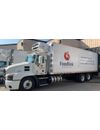
Foodlink Inc has been at the heart of the Greater Rochester community since its founding in 1978. Originally established to rescue and redistribute surplus food to emergency food providers, Foodlink has grown into a dynamic organisation tackling food insecurity through a range of innovative programmes that extend well beyond traditional food banking. Today, Foodlink not only distributes millions of poun
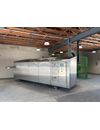
Island Site Development’s Commitment to Sustainability: The Role of the Harp CX20
Island Site Development (ISD), based in Nassau, Bahamas, is a well-established civil engineering and infrastructure development company renowned for its work in roadworks, steel fabrication, equipment sales, and asphalt recycling. Over the years, ISD has expanded its operations to include a ra
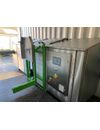
Kew Gardens, a renowned botanical garden in Richmond, London, attracts 1.5 million visitors annually. Known for its plant collection and sustainability efforts, it focuses on reducing food waste as part of its environmental agenda.
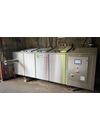
Meath County Council Takes Action on Sustainability with Harp Renewables
As a forward-thinking local authority, Meath County Council is dedicated to building a more sustainable future for County Meath. The Council is committed to minimising its environmental footprint while providing valuable services to the community. Through initiatives like the creation of recycling centres in Navan, Trim, and Kells, Meath County Council pro
Finnegans Farm: A Sustainable Approach to Farming with Harp Cx20
Finnegans Farm, a family-owned operation renowned for its high-quality potatoes and pre-prepared food, is a prime example of how embracing sustainable practises can lead to lasting environmental and operational benefits.
Since its establishment in the 1970s, Finnegans Farm has always been at the forefront of farming and innovation, transitioning from traditional silage and tillage to full sc
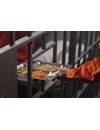
Behind Bars and Beyond: The Growing Food Waste Crisis in Prisons
Ireland’s prison system spends over €10 million annually on inmate food, yet much goes to waste due to poor forecasting, rigid menus, and inefficiencies. This contributes to Ireland’s 750,000 tonnes of yearly food waste, drains public funds, and hinders climate goals. Tackling this issue offers economic, environmental, and social benefits through cost savings and better resource use.
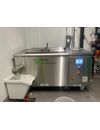
Ikea’s Commitment to Sustainability: Harnessing the Power of the Harp CX2 to Combat Food Waste
Ikea, a global leader in affordable and stylish home furnishings, is not only known for its high-quality furniture and Swedish-inspired food but also for its strong commitment to sustainability. The company has long been focused on reducing its environmental impact, with goals to become climate-positive by 2030,
Airfield Estate: Leading the Way in Sustainable Farming and Waste Management
Located in Dundrum, Ireland, Airfield Estate is a social enterprise focused on sustainability, education, and community engagement. Established in 1974 by the Overend family, it spans 38 acres of farmland, Victorian buildings, and gardens, offering visitors a connection to food, farming, and nature. Committed to sustainable practices,