


How Air Quality Software Is Transforming Environmental Tech in 2026
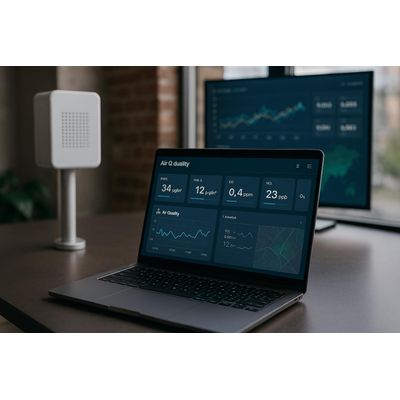
Air quality software is moving the environmental tech landscape from hardware-centric monitoring to software-enabled intelligence. Sensor networks feed real-time dashboards and cloud-based analytics, enabling proactive management of air quality for industries, cities, and environmental professionals.
Evolution from Sensors to Smart Software
Traditional monitoring relied on fixed stations and individual sensors reporting data periodically, often with delays between measurement and action. The emergence of IoT sensor networks allows continuous data collection across multiple locations, but raw data alone is insufficient. Software platforms aggregate cross-site sensor data, process it in real time, and translate measurements into actionable insights via dashboards, analytics, and automated alerts. This shift from hardware-centric to software-centric approaches is redefining environmental intelligence for air-quality management.
Why Adoption Accelerates in 2026
- Regulatory tightening and expanding reporting requirements across manufacturing, construction, energy, and urban sectors
- Growing public and stakeholder awareness of air pollution risks
- Demand for data-driven decision making and ESG/regulatory compliance
- Cloud-based platforms and scalable IoT ecosystems enabling easier deployment and centralized oversight
Core Features That Are Reshaping Environmental Tech
Real-Time Data & Live Dashboards
Software platforms provide centralized, real-time dashboards that integrate data from multiple monitors, displaying concentrations of CO, NO2, PM2.5, PM10, O3, VOCs, and environmental parameters such as humidity and temperature. Graphical tools enable quick identification of spikes and patterns across locations.
AI-Powered Pollution Forecasting
AI and machine-learning models analyze historical and current data, weather, traffic, and industrial activity to forecast near-term changes in pollutant levels, enabling proactive interventions.
Automated Compliance & Reporting
Automation streamlines data collection, aggregation, and reporting in standard formats required by regulators, reducing manual effort and ensuring traceable records for audits and ESG reporting.
Remote Monitoring Across Locations
Cloud-based platforms support centralized monitoring of dispersed sites and urban air-monitoring points, giving managers a single interface to track emissions, hotspots, and system-wide issues from anywhere.
Industries Using Air Quality Software Today
- Manufacturing & Heavy Industries: Real-time emissions monitoring of PM, NOx, VOCs, and other pollutants; centralized software enables alerts and rapid response to compliance events.
- Smart Cities & Urban Planners: City-level dashboards track pollution hotspots and correlate with traffic patterns and activity; informs interventions like traffic management and green infrastructure.
- Construction & Infrastructure: Dust and particulates monitoring with alerts and mitigation controls (dust suppression, work-scheduling adjustments)
- Environmental Consultants & Regulators: Data collection and analysis across sites to assess patterns and ensure regulatory compliance
Limitations of Standalone Air Quality Monitoring Hardware
- Fragmented data across disparate devices without centralized analytics
- Delays due to manual data processing and reporting
- Difficulties scaling monitoring networks and standardizing reports
- Hardware alone cannot deliver timely, actionable environmental intelligence
Software platforms that aggregate and analyze sensor data are essential to convert raw measurements into actionable insights; examples include Envizom, which centralizes data, provides trends, and generates alerts and automated reports.
The Future of Environmental Tech Beyond 2026
- AI/ML-driven analytics to develop more accurate pollution-forecasting models, enabling earlier interventions
- Expanding IoT sensor networks and cloud-based data streams for large-scale environmental monitoring
- Digital twins of urban environments to simulate and test mitigation strategies
- Software-centric environmental intelligence that translates data into proactive management actions
Conclusion
Environmental monitoring is shifting from data collection to data-driven action. Modern air quality software enables real-time analytics, forecasting, and centralized monitoring, making intelligent management of air quality a core capability for industries and municipalities.
FAQs
- How does air quality software improve pollution monitoring in 2026? It enables real-time analysis of IoT sensor data and visualization of key pollutants such as PM2.5 and NO2.
- How does AI help in predicting air pollution levels? AI analytics leverage historical data, weather, and emission patterns to forecast trends and near-term changes.
- Can air quality software help industries meet pollution regulations? Yes, through automated monitoring, real-time alerts, and regulatory reporting.
- What should I look for before choosing an air quality software platform? Real-time dashboards, AI analytics, cloud access, and automated compliance reporting.