


- Home
- Companies
- Finn Corporation
- Articles
- How to Adjust Hydroseed Application ...
How to Adjust Hydroseed Application Based on Weather Conditions
Weather can play a major role in hydroseeding success - but it doesn’t have to dictate your results. With the right materials, timing, and application adjustments, landscapers and contractors can achieve strong, professional results in a wide range of conditions.
Our guide breaks down how to adjust hydroseed application for rain, heat, wind, and cold, with practical tips to help you protect seed, reduce material loss, and stay on schedule no matter what the forecast has in store.
The biggest threat when it comes to hydroseeding in wet or rainy conditions is washout. Heavy rains have the potential to sweep seeds away from their intended germination spot, leading to uneven growth, bare spots, and a result that looks patchy and uneven. Heavy rains can also accelerate erosion, making it even more difficult for seeds and slurry to stay where you’ve applied them.
There are few good strategies for hydroseeding in rainy weather:
Firstly, try to schedule your projects around major rain events, so that you’re not trying to apply hydroseed during an atmospheric river, for example. If rainfall is moderate however, most hydroseeding projects can still move forward with a few adjustments to the standard application methods.
The most effective of these is leveraging tackifiers. Tackifiers are sticky substances added to hydroseed slurry to help seeds and mulch bond better to the soil. Adding tackifiers, especially in erosion-prone areas, can help you avoid some of the worst impacts of washout and runoff.
Pro Tip – Check 48-hour forecasts before scheduling any jobs on sloped terrain.
Heat is one of the most common threats to successful hydroseeding. That’s because high temperatures increase evaporation rates, which can dry out seeds and lead to stunted growth, and even burnt seeds or die off, depending on how extreme the temperatures are. That’s why it’s always recommended to hydroseed in spring and fall, when temperatures are likely to be more moderate.
If you have to hydroseed in the heat, however, there are some techniques you can use to avoid the negative outcomes from heat. Firstly, plan your hydroseeding jobs during early mornings or late evenings when temperatures typically begin moderating.
Additionally, you’ll want to seed with a high-moisture mulch. Selecting a long-lasting, high-moisture mulch helps retain water, encouraging faster germination and stronger establishment.
As you might expect, watering is also more important when the temperatures are higher. Make sure freshly-laid seed is watered well initially, and then consistently after application to give seeds the best chance for success even if the conditions are not perfect.
Pro Tip – Ask a local dealer for their best mulch recommendation for retaining moisture in local conditions; they’ll likely have a lead on what type of mulch works best for the environment.
Applying hydroseed in windy conditions can cause a variety of issues, most notably uneven application or seed clumping and lost/wasted materials. But there are ways to mitigate the effects of windy conditions while hydroseeding:
- Check the forecast. If you can, try to schedule seeding projects when conditions are calm.
- Choose the right nozzle for the job. Wide, fan-type nozzles can introduce more area for wind drift and generally won’t work as well if conditions are breezy. Instead, choose a more precision applicator for more targeted results.
- Adjust pressure settings — higher pressure can help mitigate wind impact. Be sure to test pressure to make sure the soil can withstand the setting, and won’t create ditching or pooling in the soil.
- And lastly, minimize spray distance by keeping the nozzle as close to the ground as possible.
Pro Tip – Spraying in cross-patterns during windy conditions can help reduce material drift and loss.
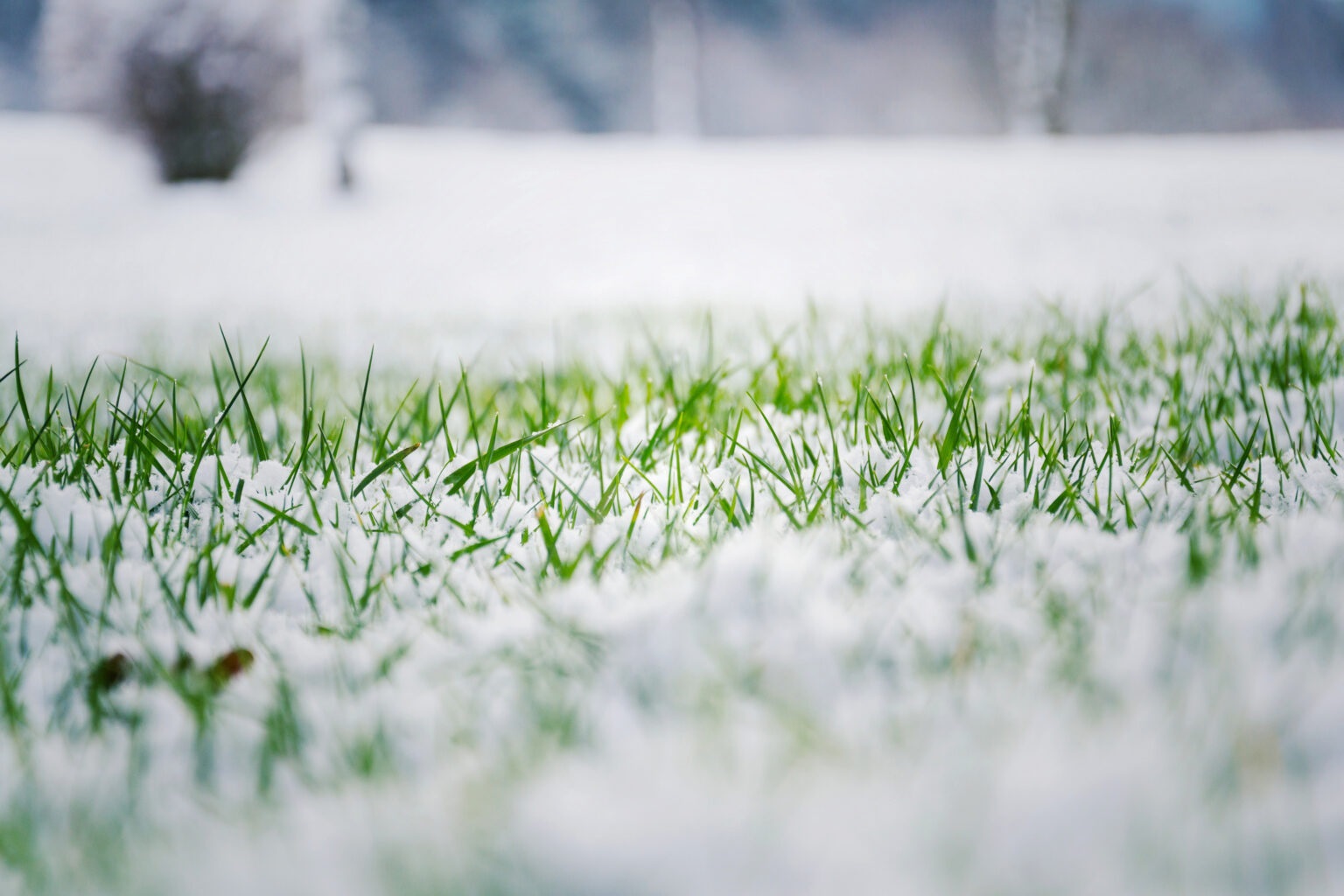
Frost is a significant danger for fresh hydroseed, even when seeding during otherwise optimal seasons. Unexpected frost or lower-than-expected temperatures can cause stunted growth, unintended dormancy, and even die off. To work around this, the first thing to do is choose the right seeds for your region and your climate.
In northern growing regions, cold-tolerant seeds and seed blends offer better resilience when temperatures drop unexpectedly. Checking the forecast here is also important. Make sure you plan a different time for seeding if the ground is already frozen in the fall, or hasn’t thawed yet in the spring, and if local weather has announced any frost advisories.
Pro Tip – Check local weather outlets for upcoming frost advisories, and when in doubt, check the Farmer’s Almanac. If you’ve already seeded and are worried a frost is coming, cover the area with plastic sheeting, if possible, to provide insulation and protection.
There’s a reason most hydroseeding is done in spring and fall — these temperature windows tend to provide the most beneficial conditions for seeds to establish, and establish well. Best case scenario, you’ll be able to plan the bulk of your jobs for these seasons, but even within those seasons you’ll want to pay attention to some of the key areas we’ve outlined.
For the best results, work with your local Finn dealer to dial in region and season-specific recommendations like mulch selection and slurry composition to application techniques designed for your local climate.