


- Home
- Companies
- Beston Group Co., Ltd.
- Articles
- How to Set Up a Tire Pyrolysis Plant
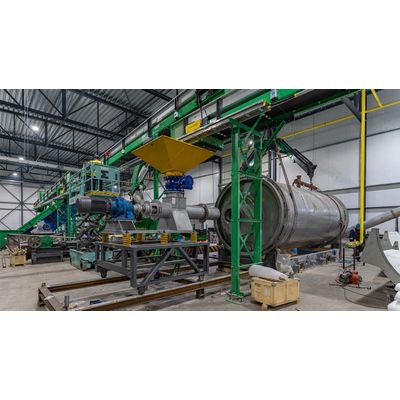
How to Set Up a Tire Pyrolysis Plant
Tire pyrolysis, an innovative and eco-conscious technology, has garnered significant attention for its potential to address the global challenge of managing end-of-life tires. Establishing a tire pyrolysis plant is a meticulous endeavor, requiring an understanding of the intricate process. In this article, we will delve into the crucial steps for setting up a tire pyrolysis plant, shedding light on the significance and advantages of this venture.
Introduction
The Significance of Tire Pyrolysis
The disposal of used tires has long been a pressing environmental concern, given their non-biodegradable nature and potential to become breeding grounds for diseases. Tire pyrolysis offers an innovative solution, as it converts discarded tires into valuable products like pyrolysis oil, carbon black, and steel wire. This not only addresses the tire waste issue but also contributes to resource recovery and environmental preservation.
Key Benefits of a Tire Pyrolysis Plant
Waste Reduction: The tire pyrolysis plant reduces the environmental burden by processing used tires into valuable resources, thus minimizing tire stockpiles and illegal dumping.
Resource Recovery: Pyrolysis oil, carbon black, and steel wire obtained from the process have numerous industrial applications, thereby promoting resource efficiency.
Environmental Impact: Pyrolysis is an environmentally friendly technology, as it mitigates air and soil pollution associated with tire incineration or landfills.
Site Selection and Preparation
Choosing an Appropriate Location
Selecting the right site for your tire pyrolysis plant is pivotal. Proximity to tire sources, transportation accessibility, and available space should be primary considerations. Moreover, accounting for environmental and community concerns is crucial to secure public acceptance.
Regulatory Considerations
Before embarking on plant setup, thorough compliance with local, state, and federal regulations is imperative. Environmental permits, zoning laws, and waste management regulations must be adhered to strictly. Regulatory compliance is not just a legal necessity but also a testament to the commitment to sustainable and lawful operations.
Site Infrastructure and Utilities
A tire pyrolysis plant necessitates robust infrastructure. Adequate water and power supply, as well as waste disposal systems, should be in place. Installing weighbridges, storage facilities, and access roads is essential for seamless operations.
Equipment Procurement
Pyrolysis reactor and related components
Investing in a high-quality pyrolysis reactor and its associated components is paramount. The pyrolysis plant cost is also a key point. The design and material of the reactor significantly affect its efficiency and longevity. Critical components include the condenser, oil and gas collection systems, and emission control devices.
Quality and efficiency considerations
Efficiency is of paramount concern. Seek advanced pyrolysis technology that optimizes oil, gas, and char production. High-quality components reduce downtime and enhance the overall equipment lifecycle.
Handling feedstock materials
Effective tire shredding equipment is essential for preparing feedstock materials. Ensure the shredder's capacity matches the plant's requirements, as the size of shredded tires directly influences yield and product quality.
Installation and Commissioning
Assembling the Plant Components
Precise assembly of plant components is critical. This entails setting up the reactor, connecting the condenser and emission control systems, and integrating all auxiliary equipment. Skilled technicians and engineers play a pivotal role in this phase.
Electrical and Mechanical Setup
Carefully manage electrical and mechanical connections to ensure safe and efficient operation. Faulty wiring or mechanical issues can lead to downtime and safety hazards. Rigorous testing and inspections are necessary.
Safety Measures and Inspections
Safety is non-negotiable. Implement comprehensive safety measures, including emergency response plans, safety training, and protective equipment. Regular inspections help identify potential issues and ensure safe operation.
Operating Procedures
Start-up and Shutdown Protocols
Establish clear start-up and shutdown procedures to prevent accidents and equipment damage. These protocols should encompass ignition, heating, and cooling processes, with strict adherence to safety guidelines.
Monitoring and Control Systems
Deploy advanced monitoring and control systems to oversee temperature, pressure, and gas composition. Automated controls enhance precision and efficiency, reducing the margin for error.
Maintenance and Troubleshooting
A proactive maintenance schedule is essential to prevent unexpected breakdowns. Identify wear and tear, replace components as needed, and provide continuous training for your staff to address potential issues promptly.
Environmental Compliance and Safety
Emission Control and Waste Management
Compliance with emission standards is a legal obligation. Implement gas treatment systems and ensure proper waste disposal for char and other byproducts. Transparent reporting and waste management are essential for eco-friendly operations.
Safety Protocols and Training
Continuously train your personnel on safety protocols, including emergency response and the handling of hazardous materials. Safety awareness is a collective responsibility within your plant.
Regulatory Reporting and Audits
Prepare for regulatory audits and inspections by maintaining detailed records and reports. A proactive approach to compliance demonstrates your commitment to responsible and sustainable tire pyrolysis.
In conclusion, setting up a tire pyrolysis plant demands meticulous planning and execution. The process, when approached with precision and responsibility, contributes to waste tire management, environmental protection, and the sustainable production of valuable byproducts. By adhering to these key steps and considerations, you can embark on a journey to establish a successful and eco-conscious tire pyrolysis plant.