- Home
- Companies
- Suzhou Jono Environmental Technology ...
- Articles
- Jono ’s C&D Solution--Wujiang ...
Jono ’s C&D Solution--Wujiang Construction Waste Recycling Project - Case Study
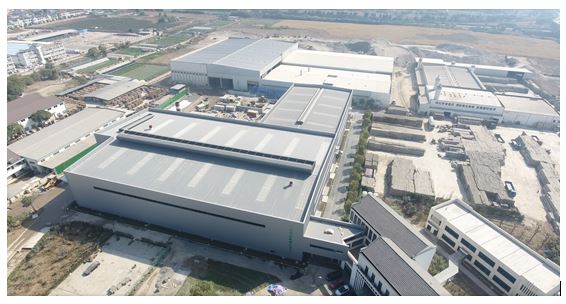
The Wujiang Construction Waste Recycling Project is a major environmental and public infrastructure initiative located on the west side of Jing’er Road in the Dongtai Lake Resort Area, Wujiang District, Suzhou, China. The project covers a land area of 44.45 mu (approx. 29,630 m²) and has a total construction area of 16,099.39 m².
The facility includes two independent treatment lines:
- A 300,000-ton/year decoration waste processing line
- A 300,000-ton/year demolition waste processing line
Once fully operational, the project will be capable of processing 600,000 tons of construction waste annually, with a daily throughput of 2,000 tons, significantly alleviating waste accumulation and supporting the city’s sustainable development goals.
Project Highlights
1. AI-Driven Decoration Waste Treatment
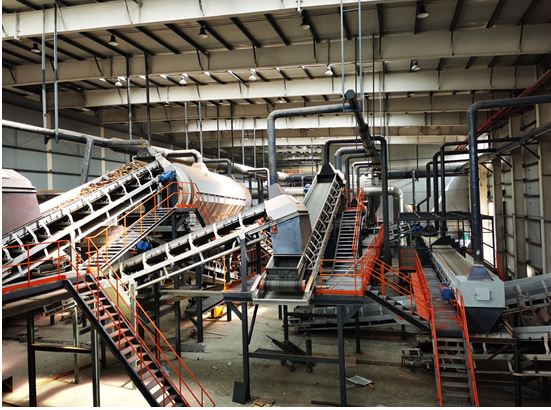
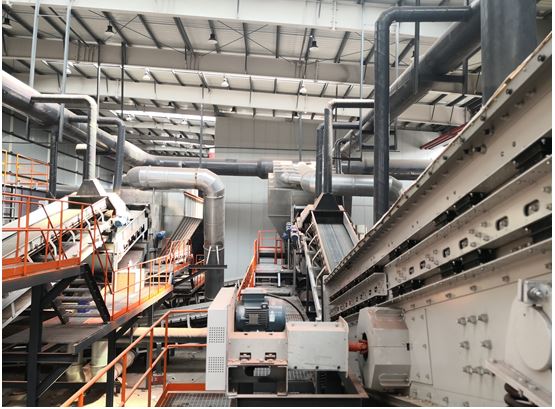
The decoration waste processing line, with a capacity of 50–70 tons per hour, is designed to handle complex mixed materials such as wood, plastic, gypsum board, insulation, metal, and ceramics. It features a full suite of advanced sorting and processing technologies:
- AI-Based Intelligent Sorting Systems: Capable of identifying and separating multiple materials with high precision
- Stepped Screens & Flip-Flow Screens: For efficient classification of light and fine waste fractions
- 3D Screening Equipment: To separate flat, blocky, and irregular materials
- High-Pressure Density Separator: For distinguishing between heavy and light particles
- Aries Primary Crushers: For downsizing bulky waste into manageable sizes for sorting
2. Infrastructure Expansion & Operational Upgrade
To support efficient operations, the Suzhou Renewable Resources Center is upgrading the original construction waste facility with an additional 7,000 m² processing zone, which includes:
- Waste Reception & Temporary Storage Areas
- Pre-Sorting and Manual Inspection Zones
- Feeding & Automated Processing Areas
- Final Product Collection & Storage Sections
The project is also equipped with:
- Dust Removal System – maintaining safe air quality during processing
- Fire Detection & Emergency Systems – ensuring full compliance and safety
- Centralized Electrical Control Systems – enabling smart automation
- Maintenance Workshop – supporting long-term operational stability
3. Integrated Waste Management & Circular Resource Utilization
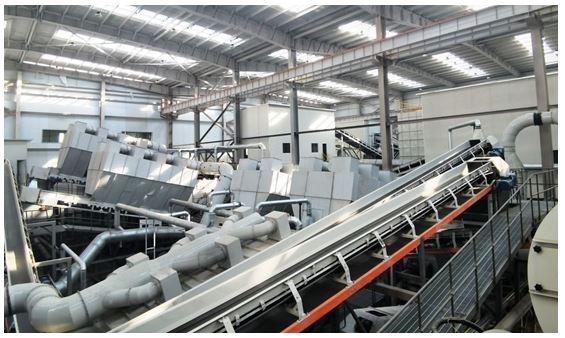
The Wujiang facility is more than a treatment plant—it is a comprehensive solution for the full-cycle management of construction and demolition waste, from intake to reuse.
Key Features:
Tailored Waste Separation
Different processing lines for decoration and demolition waste improve sorting accuracy and reduce contamination.
High-Value Resource Output
Recycled Aggregates for road base and infrastructure
Ferrous & Non-Ferrous Metals for reintegration into manufacturing
Combustible Light Fractions for RDF (Refuse-Derived Fuel) in cement kilns and power plants
Closed-Loop Material Circulation
Output materials are processed and stored according to quality standards, ensuring they can re-enter the industrial supply chain.
Smart Monitoring & Automation
Digital control systems track equipment status, material flow, and emissions in real time, enhancing efficiency and transparency.
Regulatory Compliance & Green Certification Ready
The facility is designed in line with China’s solid waste management standards and is eligible for national green treatment certification.
Conclusion
The Wujiang Construction Waste Recycling Project sets a new standard for urban green infrastructure. With its smart sorting technology, scalable operations, and integrated recycling systems, it not only addresses the growing challenge of construction waste but also turns it into valuable, reusable resources.
This project is a shining example of how modern cities can transition from traditional waste disposal to a circular economy model, combining environmental responsibility with economic viability.