
- Home
- Companies
- Suzhou Jono Environmental Technology ...
- Articles
- Jono’s Organic Waste Solution-- ...
Jono’s Organic Waste Solution-- Jiangnan Biomass Energy Recycling Center Project - Case Study
Background – The Challenge of Kitchen Waste
China generates over 120 million tons of kitchen waste annually, placing significant pressure on landfills and incineration facilities. In Nanjing, kitchen waste accounts for a large proportion of municipal solid waste and is characterized by high moisture, high salt, and high organic content, making traditional treatment methods inefficient and environmentally unsustainable.
Without proper treatment, kitchen waste can cause:
- Odor and leachate pollution at landfills.
- Greenhouse gas emissions, including methane, when decomposed in uncontrolled environments.
- Food safety risks from the illegal reuse of waste oil (“gutter oil”).
The Jiangnan Biomass Energy Recycling Center was designed to directly address these challenges, providing a safe, large-scale, and energy-positive solution for food waste management in Nanjing.
Project Overview
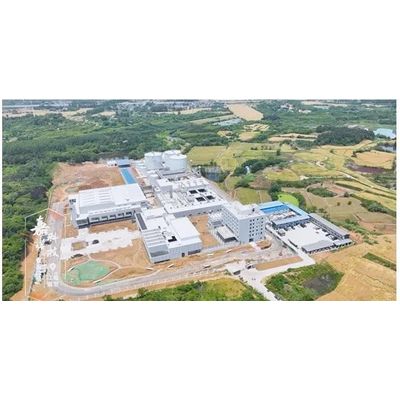
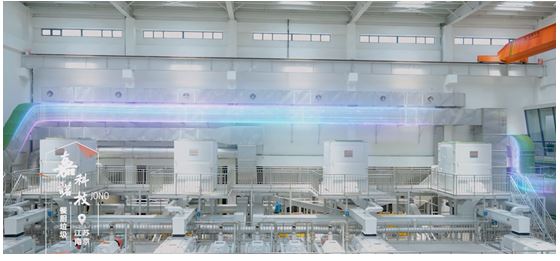
The Jiangnan Biomass Energy Recycling Center – Phase I Project is a landmark kitchen waste treatment facility located in the Jiangnan Environmental Protection Industrial Park, covering 6.52 hectares.
With a daily treatment capacity of 660 tons, including 60 tons of waste cooking oil and grease, this project represents one of the most advanced biomass energy recycling projects in Nanjing.
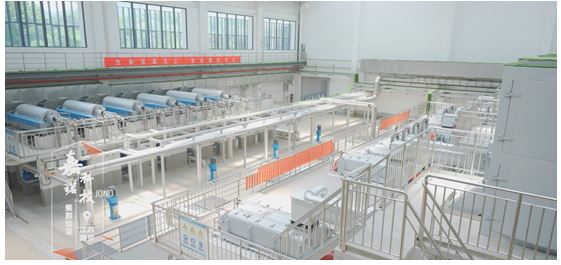
Its process utilizes cutting-edge pre-treatment + wet anaerobic digestion technology, including rough sorting, crushing and pulping, sand and debris removal, and oil-water separation. The separated slurry undergoes anaerobic fermentation to generate biogas, while the remaining sludge is dewatered and transported for safe disposal. Extracted oil is refined into biodiesel, supporting renewable energy production and circular economy initiatives.
Project Highlights
Industry-Leading Capacity
With a daily capacity of 660 tons, including 60 tons of waste oil, this is Nanjing’s largest kitchen waste treatment project, capable of processing the majority of the city’s food waste.
Advanced Waste-to-Energy Technology
Combines wet anaerobic digestion, mechanical separation, and oil-water recovery to achieve high organic matter conversion efficiency, producing large volumes of biogas for energy use.
Comprehensive Resource Utilization
- Biogas Production – Captured biogas can be used to generate electricity or heat, offsetting fossil fuel use.
- Biodiesel Refining – Waste cooking oil is converted into clean biodiesel, reducing dependence on traditional petroleum.
- Nutrient Recovery – Residual sludge can be used as soil conditioner after safe treatment, closing the nutrient loop.
Smart and Automated Operations
Equipped with automated monitoring and control systems, ensuring safe, stable, and efficient 24/7 operation with minimal manual intervention.
Conclusion
It significantly reduces landfill waste volume and greenhouse gas emissions and helps Nanjing achieve its carbon peaking and neutrality goals by turning waste into clean energy. The Jiangnan Biomass Energy Recycling Center has become a key part of Nanjing’s sustainable waste management system.
By turning kitchen waste into biogas and biodiesel, the project improves local environmental infrastructure, supports renewable energy generation, and reduces landfill waste, creating long-term environmental, economic, and social benefits.