


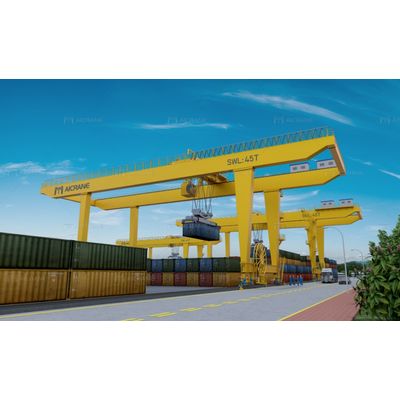
Key Considerations for the Installation of Intermodal Gantry Cranes
Container terminals play a pivotal role in global trade by facilitating the efficient movement of goods between ships, trucks, and trains. To optimize operations and enhance productivity, many terminals are incorporating intermodal gantry cranes (IGCs) into their infrastructure. The installation of these cranes requires careful planning and consideration of various factors to ensure smooth and effective container handling. In this article, we will delve into the key considerations for the installation of intermodal gantry cranes at container terminals.
Site Analysis and Geotechnical Considerations:
Before the installation process begins, a thorough site analysis is essential. Understanding the geological and geotechnical conditions of the terminal site is crucial for determining the foundation design of the intermodal gantry cranes. Soil composition, bearing capacity, and potential seismic activity must be taken into account to ensure the stability and safety of the cranes.
Operational Requirements:
Each container terminal has unique operational requirements based on factors such as container traffic volume, vessel size, and the types of goods being handled. It is essential to conduct a comprehensive analysis of these operational requirements to determine the optimal number and specifications of intermodal gantry cranes needed. Considerations should include crane capacity, outreach, lifting height, and the ability to handle various container sizes.
Integration with Terminal Management Systems:
Modern container terminals rely heavily on sophisticated terminal management systems (TMS) to coordinate and optimize operations. The intermodal gantry cranes should seamlessly integrate with these TMS to ensure efficient communication and data exchange. Integration can enhance real-time monitoring, automation, and decision-making processes, ultimately improving overall terminal efficiency.
Automation and Technology Integration:
The installation of intermodal gantry cranes provides an opportunity for terminals to embrace automation and advanced technologies. Automated stacking cranes, RFID technology, and artificial intelligence can be integrated to streamline operations, reduce human error, and enhance safety. Investing in state-of-the-art technology ensures that the terminal remains competitive and future-proof.
Environmental Impact and Sustainability:
As the global focus on sustainability grows, container terminals must consider the environmental impact of their operations. The installation of intermodal gantry cranes should align with sustainable practices, incorporating energy-efficient technologies and minimizing emissions. Terminal operators should also explore the possibility of using renewable energy sources to power the cranes, contributing to a greener and more sustainable supply chain.
Regulatory Compliance and Safety Standards:
Adherence to local and international regulations is paramount in the installation of intermodal gantry cranes. Safety standards set by regulatory bodies must be strictly followed to prevent accidents and ensure the well-being of workers. Terminal operators should conduct regular safety audits and invest in training programs to educate personnel on the safe operation and maintenance of intermodal gantry cranes.
Infrastructure and Space Utilization:
The layout of the container terminal plays a significant role in the installation of intermodal gantry cranes. The design should optimize space utilization while ensuring efficient container flow. Considerations for road and rail connectivity, as well as the arrangement of container storage areas, need to be carefully planned to avoid bottlenecks and maximize throughput.
Lifecycle Cost Analysis:
While the initial investment in intermodal gantry cranes is substantial, terminal operators should conduct a thorough lifecycle cost analysis. This includes evaluating maintenance costs, energy consumption, and potential upgrades. A holistic approach to cost analysis will help determine the long-term financial viability and return on investment of the intermodal gantry crane system.
Conclusion
The installation of intermodal gantry cranes at container terminals is a complex and strategic undertaking that requires meticulous planning and consideration of various factors. From site analysis and operational requirements to safety standards and sustainability, each aspect plays a crucial role in ensuring the success of the installation. By addressing these key considerations, container terminals can enhance their efficiency, embrace technological advancements, and contribute to a sustainable and resilient global supply chain.