


- Home
- Companies
- Particle Measuring Systems (PMS)
- Articles
- Optimal Microbial Sampling Criteria
Optimal Microbial Sampling Criteria
Introduction
Microbiological sampling within a pharmaceutical manufacturing facility is performed using several methods:
- surface sampling
- passive aerosol (air) environmental sampling
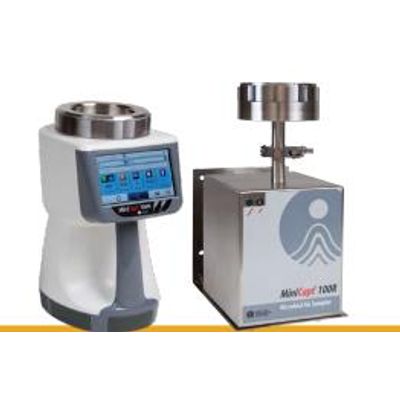
- active aerosol (air) environmental sampling
Each of these methods produces a result based on the growth of microbial colonies on the surface of a collection media (typically agar), but the specific instruments and techniques vary between the methods.
The results from any individual element of sampling do not constitute evidence of asepsis, so all elements of sampling should be used collectively in support of sterility assurance, as is given in the current version of EU GMP Annex 1: 2022(1).
9.1 The site’s environmental and process monitoring programme forms part of the overall CCS and is used to monitor the controls designed to minimize the risk of microbial and particle contamination. It should be noted that the reliability of each of the elements of the monitoring system (viable, nonviable and APS) when taken in isolation is limited and should not be considered individually to be an indicator of asepsis. When considered together, the results help confirm the reliability of the design, validation, and operation of the system that they are monitoring.
More specific regulations and the elements of surface monitoring and passive monitoring (settle plates) are discussed elsewhere in the regulation document (2). For all the sampling methods, it is important to be sure that the sample accurately reflects the environmental microbiological condition. This is often measured and discussed in terms of collection efficiency. The focus of this paper will mainly be on active air sampling, but there are sampling characteristics for each type of sampling that ensure the optimized collection efficiency.