


- Home
- Companies
- Beston Group Co., Ltd.
- Articles
- Plastic Pyrolysis Plant: A Sustainable ...
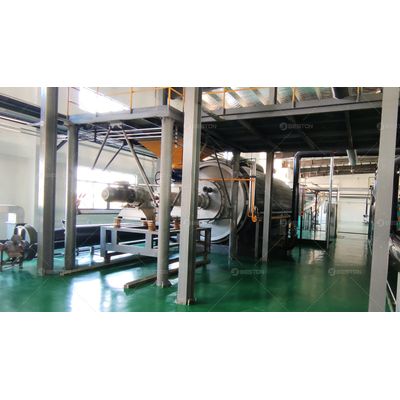
Plastic Pyrolysis Plant: A Sustainable Solution to Plastic Pollution
In a world grappling with an ever-growing plastic pollution crisis, a beacon of hope emerges in the form of plastic pyrolysis plants. These innovative facilities hold the key to addressing one of the most pressing environmental challenges of our time. In this article, we delve into the world of plastic pyrolysis, exploring its principles, mechanisms, environmental benefits, economic viability, and the challenges it faces on the road to widespread adoption.
Introduction
The escalating problem of plastic pollution
Plastic pollution has reached alarming proportions in recent decades. Single-use plastics, in particular, have inundated our oceans, clogged our landfills, and become a ubiquitous presence in our daily lives. The environmental toll is undeniable, with devastating consequences for marine life, ecosystems, and human health.
The promise of plastic pyrolysis technology
Amid this dire scenario, plastic pyrolysis technology emerges as a beacon of hope. This innovative approach offers a sustainable solution to the plastic pollution crisis by converting plastic waste into valuable resources.
Understanding Plastic Pyrolysis
Definition and principles of pyrolysis
Pyrolysis, at its core, is a thermal decomposition process that occurs in the absence of oxygen. It involves subjecting plastic waste to high temperatures, causing it to break down into its constituent hydrocarbons, gases, and char. This process is highly efficient and can recover a substantial portion of the original material.
Transformation of plastic waste into valuable resources
Plastic pyrolysis has the remarkable ability to transform discarded plastic items into valuable products such as pyrolysis oil, gas, and carbon black. These byproducts can find applications in industries ranging from energy production to manufacturing.
The Working Mechanism
Pyrolysis reactor and its components
The heart of a plastic pyrolysis plant is the pyrolysis reactor. This vessel is equipped with heating elements and a controlled environment that allows for precise temperature and pressure control. The plastic waste is loaded into the reactor, where it undergoes thermal degradation.
Temperature and pressure controls
Optimal temperature and pressure settings are crucial for the success of the pyrolysis process. Variations in these parameters can yield different types of products, making it essential to fine-tune the conditions for specific desired outcomes.
Catalytic assistance for enhanced pyrolysis
In some cases, catalysts are employed to accelerate the pyrolysis reactions, increasing the efficiency of the process and improving the quality of the end products.
Environmental Impact and Benefits
Drastic reduction in plastic waste
One of the most compelling advantages of plastic pyrolysis is its ability to significantly reduce plastic waste. This technology not only diverts plastics from landfills and oceans but also reduces the need for virgin plastics production.
Lower greenhouse gas emissions compared to traditional disposal methods
Compared to incineration, a common method for plastic waste disposal, pyrolysis emits fewer greenhouse gases. This environmental benefit aligns with global efforts to mitigate climate change.
Recovery of valuable byproducts
Aside from curbing plastic pollution, plastic pyrolysis plants produce valuable byproducts that can be sold or utilized. Pyrolysis oil, for instance, can serve as a sustainable energy source or a precursor for chemical manufacturing.
Economic Viability and Scalability
Profitability of plastic pyrolysis plants
The economic viability of pyrolysis machine is gaining recognition. With the potential for revenue generation from selling byproducts and a growing market demand for sustainable materials, these facilities present a promising business opportunity.
Scalability for addressing global plastic pollution
The scalability of plastic pyrolysis technology holds the key to addressing the global plastic pollution crisis. As the infrastructure and expertise for these plants expand, they can make a substantial impact on plastic waste management worldwide.
Challenges and Future Prospects
Technical challenges and advancements
Despite its potential, plastic pyrolysis is not without its challenges. Technological advancements are essential to improve efficiency, reduce operating costs, and minimize emissions further.
Regulatory hurdles and potential solutions
The regulatory landscape surrounding plastic pyrolysis varies across regions. Streamlining regulations and providing incentives for the adoption of this technology are critical steps toward its widespread implementation.
Future prospects for widespread adoption
In conclusion, plastic pyrolysis plants offer a promising solution to the plastic pollution crisis. As we continue to refine the technology, address challenges, and embrace regulatory support, we move closer to a sustainable future where plastic waste is no longer a burden but a valuable resource in its own right. The path to resolving the plastic pollution crisis lies in harnessing the transformative power of plastic pyrolysis.