


- Home
- Companies
- Beston Group Co., Ltd.
- Articles
- Sustainable Resource Value of Waste ...
Sustainable Resource Value of Waste Tyres
Waste tyres are one of the most challenging types of waste to manage. As millions of tyres reach the end of their life each year, the question of how to sustainably dispose of or recycle them becomes ever more pressing. While historically tyres were either sent to landfills or incinerated, advancements in technology have opened new, more sustainable pathways for their disposal. Among these, pyrolysis offers a highly effective method for turning waste tyres into valuable resources, making it an essential tool in the drive towards a circular economy.
What is Pyrolysis of Waste Tyres?
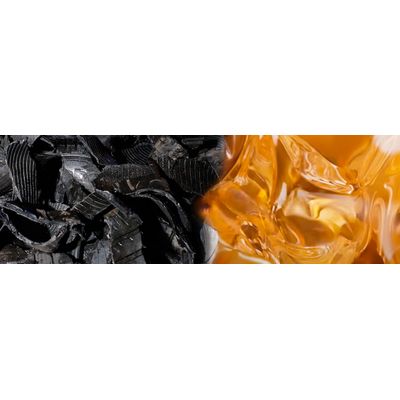
Pyrolysis is a thermochemical process that involves heating organic materials, such as waste tyres, in the absence of oxygen. Under high temperatures (typically between 400°C and 800°C), tyres break down into smaller, more manageable components. This tyre pyrolysis plant produces several useful byproducts, including tyre pyrolysis oil, carbon black, and syngas (synthetic gas), each with significant commercial value.
The beauty of pyrolysis lies in its ability to convert what would otherwise be a hazardous waste material into products that can be reused across various industries. Not only does it provide an efficient means of tyre disposal, but it also contributes to the recovery of valuable materials, reducing the need for virgin resources.
Pyrolysis: A Sustainable Waste Tyre Management Solution
The environmental benefits of tyre pyrolysis are substantial. By diverting tyres from landfills and incinerators, the pyrolysis process helps reduce pollution and mitigate the harmful effects associated with these traditional disposal methods. Incinerating tyres releases toxic gases, including dioxins and furans, into the atmosphere, contributing to air pollution. In contrast, pyrolysis operates in a controlled environment, where harmful emissions are minimized through proper filtration systems.
Furthermore, the carbon black generated through the pyrolysis process has numerous industrial applications, including its use as a reinforcing agent in tyres, rubber products, and as a pigment in inks and paints. This not only provides an economic incentive for tyre pyrolysis but also helps close the loop on tyre production and consumption.
The Value of Tyre Pyrolysis Oil
One of the primary outputs of the pyrolysis process is tyre pyrolysis oil, a liquid product with a wide range of applications. This oil, also known as pyrolytic oil, can be used as a substitute for conventional fuels, such as diesel or heavy oil, in industrial applications like cement kilns, boilers, and power plants. In some cases, it can even be refined further to produce higher-quality fuels or used as a feedstock for the chemical industry.
Tyre pyrolysis oil represents a valuable energy resource, helping to reduce dependency on fossil fuels while contributing to energy security. As the global push for renewable energy sources intensifies, tyre pyrolysis oil could play a key role in providing alternative, sustainable energy solutions.
Moreover, because the oil is produced from waste tyres, it also helps mitigate the environmental impact of traditional fossil fuel extraction and processing. The use of tyre pyrolysis oil, therefore, represents a significant step towards achieving sustainability in energy production.
Carbon Black: A High-Value Byproduct
Another valuable output of tyre pyrolysis is carbon black, a fine black powder primarily used in the production of rubber and plastics. Carbon black is an essential component in the manufacture of new tyres, as it improves the strength, durability, and performance of the rubber. By producing carbon black from waste tyres, the pyrolysis process not only recycles an essential material but also reduces the need for virgin carbon black, which is typically derived from fossil fuels.
The demand for carbon black is driven by industries such as automotive manufacturing, electronics, and coatings, where it is used as a reinforcement agent, as well as a coloring pigment. As such, the market for recycled carbon black is robust, and companies that engage in tyre pyrolysis can tap into this growing demand while contributing to a more sustainable supply chain.
Economic Potential of Tyre Pyrolysis
The economic potential of tyre pyrolysis is significant. The byproducts produced—tyre pyrolysis oil and carbon black—have diverse applications in industries ranging from energy to manufacturing. The pyrolysis process itself can also be powered by the syngas produced, creating a self-sustaining energy loop that reduces operational costs.
Additionally, tyre pyrolysis plants create jobs and support local economies by fostering innovation in waste-to-resource technologies. As governments and industries around the world continue to prioritize sustainable practices, the demand for tyre recycling and resource recovery technologies will only increase, offering ample opportunities for growth in the sector.
A Sustainable Circular Economy for Tyres
The adoption of tyre pyrolysis technology aligns with the principles of the circular economy, where waste is minimized, and resources are continuously reused. By converting waste tyres into valuable products, pyrolysis closes the loop on tyre manufacturing, offering a sustainable alternative to traditional waste disposal methods. Tyre pyrolysis not only addresses the growing tyre waste issue but also contributes to the recovery of critical resources such as oil and carbon black, all while minimizing the environmental footprint of the process.
In conclusion, the sustainable resource value of waste tyres is clear. Through the pyrolysis process, waste tyres are transformed into high-value products like tyre pyrolysis oil and carbon black, which have significant commercial potential. This not only provides a sustainable waste management solution but also fosters economic growth and innovation. As the global demand for sustainable practices increases, tyre pyrolysis technology will play an increasingly vital role in building a more circular, resource-efficient economy.