


- Home
- Companies
- Beston Group Co., Ltd.
- Articles
- The Eco-Revolution: Waste Plastic ...
The Eco-Revolution: Waste Plastic Pyrolysis for a Sustainable Future
In a world grappling with the pervasive issue of plastic waste, waste plastic pyrolysis emerges as a beacon of hope. This transformative process harnesses the latent energy and value locked within discarded plastic materials, offering a sustainable solution to plastic waste management. As the environmental impact of plastic waste becomes increasingly apparent, waste plastic pyrolysis plants serve as crucial allies in the battle against pollution and resource depletion.
The Process of Waste Plastic Pyrolysis
Waste plastic pyrolysis is a thermal decomposition process that converts plastic waste into useful products through controlled heating in the absence of oxygen. This metamorphosis takes place in a pyrolysis reactor, where the plastic materials undergo a complex transformation. Different types of plastic, including polyethylene (PE), polypropylene (PP), and polystyrene (PS), can be processed through pyrolysis. The temperature and residence time during the pyrolysis process play crucial roles in determining the yield and quality of the end products.
Components of a Waste Plastic Pyrolysis Plant
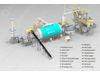
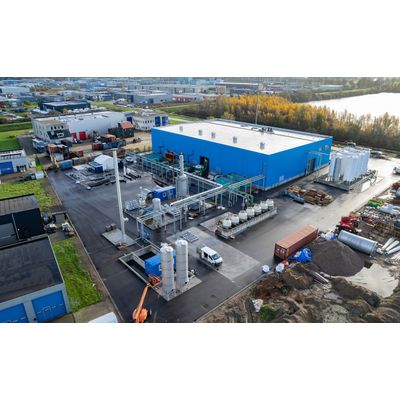
A waste plastic pyrolysis plant comprises several key components working in harmony to facilitate the transformation of plastic waste. The feeding system ensures a continuous supply of plastic waste to the pyrolysis reactor. The reactor, akin to a crucible of change, provides the ideal conditions for plastic pyrolysis, such as high temperature and an oxygen-free environment. The condensation and cooling system allow the conversion of pyrolysis vapors into liquid form, while the gas and liquid collection system captures the resulting pyrolysis oil and gas for further processing.
Environmental Benefits of Waste Plastic Pyrolysis Plants
One of the greatest advantages of waste plastic pyrolysis plants lies in their profound environmental benefits. By diverting plastic waste from landfills and oceans, these plants contribute significantly to waste reduction efforts. Moreover, the pyrolysis process helps minimize air and water pollution, preventing the release of harmful toxins and greenhouse gases into the environment. Additionally, waste plastic pyrolysis plants offer a valuable opportunity for energy recovery, reducing dependence on fossil fuels and supporting the transition to a low-carbon economy.
Resource Recovery and Economic Opportunities
Beyond the environmental advantages, waste plastic pyrolysis plants unlock a treasure trove of resource recovery and economic opportunities. The pyrolysis process yields valuable end products, such as pyrolysis oil, which can be used as a substitute for fossil fuels in various industries. The pyrolysis gas obtained can be utilized for electricity generation or as a feedstock for chemical production. These products not only reduce reliance on finite resources but also contribute to a circular economy by promoting the reuse and recycling of plastic waste. Waste plastic pyrolysis plants also create employment opportunities and stimulate economic growth in the waste management sector.
Challenges and Future Perspectives
While waste plastic pyrolysis holds immense promise, it is not without its challenges. Technical advancements and optimization are essential to improve process efficiency and the quality of end products. Adequate regulatory frameworks and policies are required to incentivize and support the widespread adoption of waste plastic pyrolysis. Continued research and development efforts are crucial to address the technical challenges, explore new feedstocks, and refine the pyrolysis process for enhanced sustainability and commercial viability.
In conclusion, waste plastic pyrolysis plants provide a transformative solution to the mounting plastic waste crisis. By converting plastic waste into valuable resources, they mitigate environmental damage, promote resource recovery, and foster economic growth. With continued innovation and a collective commitment to sustainable waste management practices, waste plastic pyrolysis plants can play a pivotal role in shaping a greener and cleaner future for generations to come.