


- Home
- Companies
- Beston Group Co., Ltd.
- Articles
- The Environmental Benefits of Using a ...
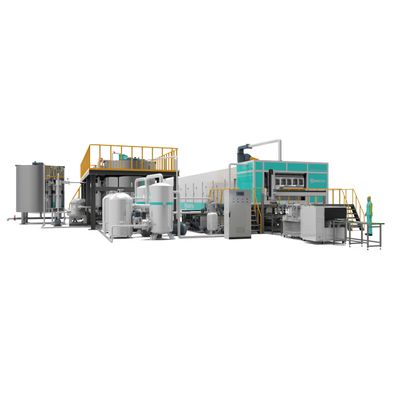
The Environmental Benefits of Using a Paper Egg Box Making Machine in Packaging
The shift towards sustainable packaging solutions has become imperative as industries seek to reduce environmental impact. A paper egg box making machine plays a crucial role in this transition by transforming waste paper into biodegradable and recyclable egg cartons. This process not only reduces reliance on plastic but also promotes efficient resource utilization.
Reduction in Plastic Waste
Plastic pollution remains a global challenge, with conventional egg packaging often contributing to the problem. The use of a paper egg box making machine eliminates the need for plastic trays, replacing them with eco-friendly alternatives made from recycled paper. These molded pulp egg boxes decompose naturally, significantly reducing the volume of non-biodegradable waste in landfills and marine environments.
Efficient Recycling of Waste Paper
One of the most significant advantages of using a paper moulding machine is its ability to repurpose discarded paper. Wastepaper from newspapers, office documents, and cardboard is processed into pulp, minimizing the need for virgin materials. By reintroducing used paper into production cycles, this method conserves natural resources, particularly trees, which would otherwise be harvested for new paper production.
Additionally, the recycling process consumes less energy compared to manufacturing new paperboard or plastic packaging. Reduced energy consumption translates to lower greenhouse gas emissions, further enhancing the environmental benefits of molded pulp packaging.
Lower Carbon Footprint in Production
The carbon footprint of packaging is a growing concern in supply chains. Traditional plastic production involves petroleum extraction, refining, and polymerization, all of which contribute to greenhouse gas emissions. In contrast, a paper egg box making machine operates on a more sustainable cycle. Since pulp molding primarily relies on water-based processes rather than fossil fuel-intensive polymerization, it inherently generates fewer emissions.
Moreover, when powered by energy-efficient drying systems or renewable energy sources, the carbon footprint of molded pulp production is further minimized. Manufacturers adopting solar, biomass, or heat recovery systems can enhance sustainability by lowering overall energy consumption.
Biodegradability and Compostability
Unlike plastic packaging, which can persist in the environment for centuries, molded pulp egg boxes decompose naturally. When disposed of, these trays break down within weeks or months under the right composting conditions. This biodegradability prevents long-term pollution and supports soil health when composted, as the decomposed fibers enrich the soil with organic matter.
Water Conservation Through Closed-Loop Systems
Water usage is a critical factor in sustainable manufacturing. Advanced paper egg box making machines incorporate closed-loop water recycling systems, which minimize water wastage by filtering and reusing process water. This approach not only reduces freshwater consumption but also decreases wastewater discharge, making the production cycle more environmentally responsible.
Sustainable End-of-Life Options
At the end of their lifecycle, molded pulp egg boxes offer multiple environmentally friendly disposal options. They can be recycled into new paper products, composted to improve soil quality, or even used as an alternative fuel source in biomass energy production. These options ensure that the material remains within the sustainability loop, preventing unnecessary waste accumulation.
Conclusion
The adoption of a paper egg box making machine in packaging production delivers substantial environmental advantages. From reducing plastic waste and promoting paper recycling to lowering carbon emissions and ensuring biodegradability, molded pulp packaging represents a significant step toward sustainable manufacturing. As industries continue to prioritize ecological responsibility, investing in efficient and eco-friendly packaging solutions will be essential for long-term environmental sustainability.