


- Home
- Companies
- Beston Group Co., Ltd.
- Articles
- What Is A Thermal Desorption Unit?
What Is A Thermal Desorption Unit?
Ground-breaking reclamation technologies have started to change the methods that oil refineries use to process materials which may have eliminated incineration or onsite disposal. TDU (Thermal Desorption Units) have become widely used across many sectors. The procedure involves heating contaminated materials to a temperature that is sufficient to vaporize and dry the contaminants found in the type of material.
What Exactly Is Thermal Desorption?
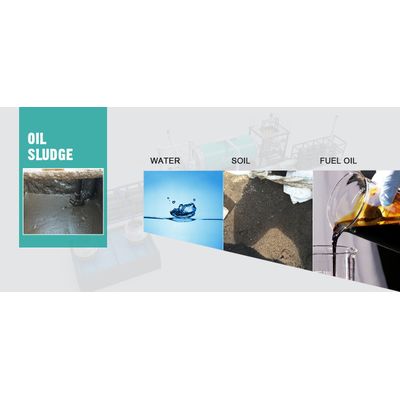
Thermal desorption involves a "reclamation process" that separates hydrocarbons from several material types. The process involves quite high heat which reclaims oils as well as other types of materials that hire a non-incineration and non-contact technology. The fuel oil sludge treatment is principally useful for processing organic materials including oil-bearing materials sourced from refineries.
How Does Thermal Desorption Work?
When heat is applied to your contaminated material, this product (by using a low boiling point) will convert into a vapor that may be then collected and after that treated in something generally known as an off-gas treatment unit. The removal of the waste is exactly what allows these materials to be reclaimed or repurposed without needing to be worried about the issues that happen to be associated with contamination.
What Exactly Is A Thermal Desorption Unit?
Having a Thermal Desorption Unit, the contaminated materials are exposed to indirect heat inside a drum that slowly turns where heat is in contact with the exterior shell. The vaporized contaminants separate from the solid materials into a sludge, which results in end products that could be cost-effectively and easily disposed of.
The Main Technique Of Thermal Desorption Units
The stockpiled contaminated materials are transferred in to the feed hopper. You can find airlocks present that avoid the outside air from entering the processing chamber that allows the fabric to circulate to the primary thermal-treatment unit that is an environment that is certainly free from oxygen.
The Rotary Kiln And PTU
The PTU may be the heated zone consisting of a stainless indirect fired rotary kiln plus a combustion chamber. The indirect-fired rotary dryer is made up of several zones, and every one has independent-temperature controls. The drum is subjected to heat from the outside which maintains the integrity concerning the feed. The operational temperature of such drums depends on 510°C, and also the rotary kiln is in the combustion chamber which features multiple burners.
As being the materials learn to heat, the hydrocarbons devitalize through the materials and they are extracted from this method inside a direction which is counter-current for the flow in the feed. The vapor produced is pulled into an oil condenser or high-efficiency quench scrubber. From this point the quench liquid (an oil) removes the dust particulate and condenses the hydrocarbons that happen to be heavy inside the stream of vapor.
Any vapor that can not be condensed is going to be pulled through a knock-out pot in the heat exchanger. From here the vapors are cooled to some lower temperature via an air air conditioning. The fluids that were taken from a knock-out pot (condensed sludge, oil, and water) will then be pumped through separator filters. The oil that is certainly recovered is cooled and then pumped into storage tanks.