


Acoustic Associates Sussex Ltd services
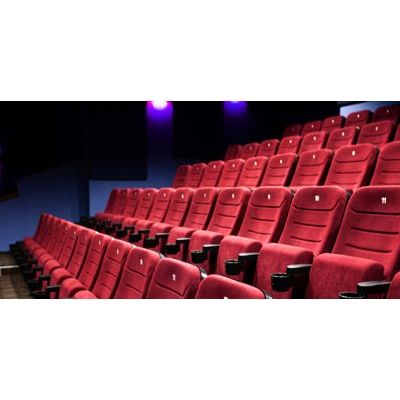
Designing Auditoria, Concert Halls, Cinemas & Churches
Acoustic Associates design auditoria and performance spaces for exceptional acoustic performance. Creating an optimum acoustic is a subtle blend of many factors. At Acoustic Associates we understand that many of our clients are trying to juggle many financial, structural, and other design issues. We therefore pride ourselves in offering practical advice whatever your budget. We currently use the latest acoustic modelling software, research, and design techniques to inform our design process and are happy to liaise with architects and other members of the design team as required. Our previous projects have included concert halls, churches, drama theatres, music colleges, and multi purpose performance spaces. Whether you are trying to improve the acoustics of and existing space or designing from scratch, our team of expert consultants are on hand to help.
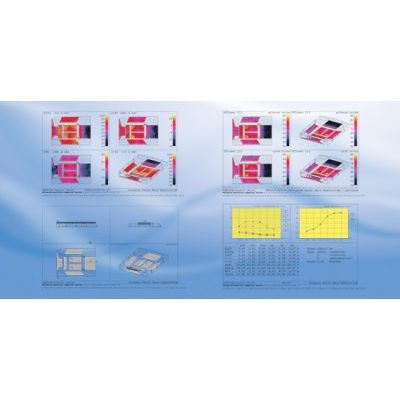
3D Acoustic Modeling Service
Acoustic Associates have used CATT Acoustics on a wide variety of projects including BB93 Schools Acoustics, Concert Hall Design, Church Acoustics, Shopping Centres, Live Room Design, Recording Studio Design, Lecture Theaters, Drama Studios and Multi-Purpose Space.
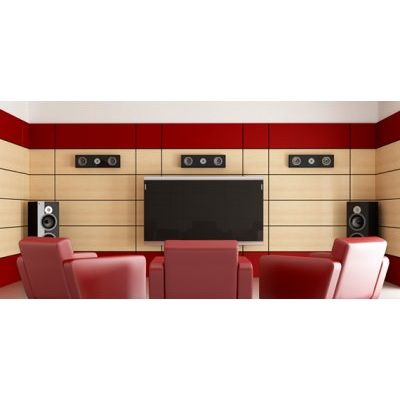
Sound System Design Service
For any sound system to perform at its best, it needs the best possible acoustic. We often see clients who have spent large sums of money on high performance sound systems which are installed in rooms with unsuitable acoustics. This creates a sub standard aural experience with the client having spent money on fidelity that they cannot hear. At Acoustic Associates, we believe that to get the best out of your sound system you need a balance. This means creating an aural environment where the sound system can be heard at its best.
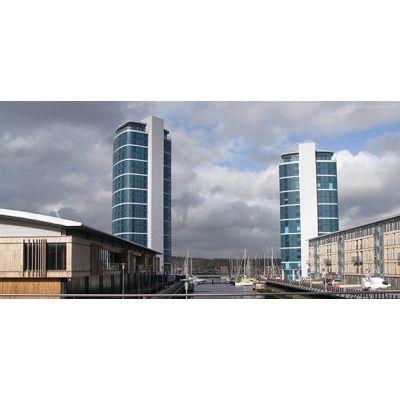
Sound Insulation Testing Service
At Acoustic Associates we offer the following services to our clients who wish to comply with the latest Building Regulations and the requirements of their local authorities: Airborne and Impact Sound Insulation Testing in accordance with Part E of the Building Regulations. This is a requirement for new and converted homes where there is a separating partition wall or floor. Design Studies of architects drawings to ensure their compliance with Part E of the Building Regulations. This service allows you to ensure that any design faults which may lead to a sound test failure are dealt with before construction begins. We also undertake reverberation time assessments for common areas as required by Document E of the Building Regulations. Environmental Noise & Vibration surveys. This is often required by the local authority for housing and industrial developments where noise from local industrial services may be an issue.
Air Tightness Testing Service
Air Tightness Testing - The Building Regulations. The Building Regulations 2006 Approved Document L1A came into effect in April 2006, requiring air tightness testing to be carried out in New Dwellings. Uncontrolled ventilation in dwellings through leakage paths around doors and window frames accounts for a significant proportion of heat loss, particularly as the insulation value of walls and glazing has improved. In order to control this energy loss, the Building Regulations will regulate the overall leakage of the building structure by testing, using a pressurising / depressurising fan method.
Aircraft Engine Test Cells Service
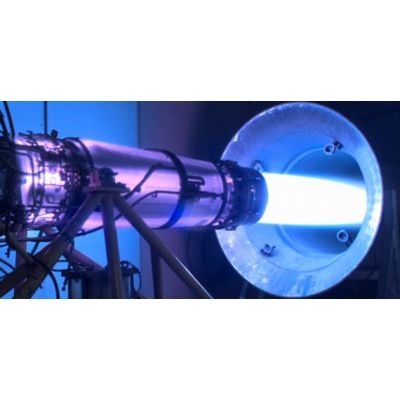
Airport Noise Monitoring, Planning & Test Facilities. If not suitably controlled and accounted for, noise associated with airports and airfields can cause serious disturbance to neighbouring communities. In addition to noise produced during flying operations, other major sources include ground testing of aircraft, engines, which often occurs at night and airport related traffic. Helicopters and heliports pose particular environmental noise problems.

Transportation Noise Assessment Service
Roads, railways and airports are the largest source of transportation noise and frequently effects development land for houses, schools and hospitals. Noise sensitive developments adjacent to or affected by transportation noise require the careful assessment of these sources, either by measurement or prediction and often both. This assessment enables the correct specification of the building envelope (walls, windows, ventilators and roofs) to achieve appropriate internal noise levels in new developments. Here social housing providers are often at the forefront of providing superior internal ambient noise climate for their tenants and require precise specification of glazing and ventilation systems. New or altered forms of transportation sources near to existing noise sensitive sites also require careful assessment to minimise impact.
Industrial & Workplace Noise Assessment Service
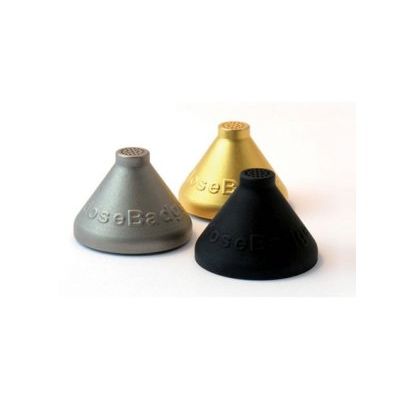
The `Noise At Work Regulations` were introduced in 1990. They are aimed at protecting the hearing of employees and state exactly what is required from the employer / employee and machine suppliers. The potential danger can only be controlled effectively if the noise levels are assessed and control measures are put in place.
Environmental Noise & Planning Service
Noise is a deciding factor in many planning applications. The introduction of the National Planning Policy Frame in March 2012 has completely changed the noise and planning landscape in England. Planning Policy Guidance 24 Planning and Noise (PPG 24) has been superseded by Noise Policy Statement for England (NPSE) which replaces the old Noise Exposure Category system of rating sites for A (not noisy) to D (too noisy for residential use) with a vision to `Promote good health and quality of life through the effective management of noise within the context of Government policy on sustainable development.`
Noise Mapping & Prediction Assessment Service
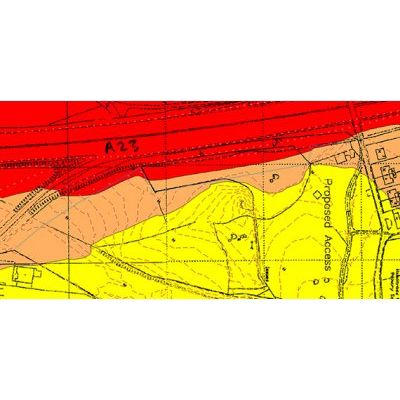
There are circumstances when it is helpful to have detailed information regarding noise propagation. At Acoustic Associates we use the computer based environmental modelling software IMMI from Wolfel. IMMI is used in the generation of noise maps which can map the propagation of multiple noise sources simultaneously to provide an accurate representation of the noise throughout a site. With appropriate site information and drawings (such as Ordinance Survey Maps) accurate 3D models can be generated. The advantage of noise models is that complex noise environments can be realised from multiple sources (road, rail, aircraft and industrial/commercial plant).