


AGF Manufacturing, Inc. articles

When it comes to fire protection, codes and standards provide the baseline: reliable systems designed to save lives and protect property. But for building owners, simply meeting minimum code requirements doesn’t always address the everyday challenges of operating and maintaining these systems. Increasingly, the fire protection industry is embracing technologies and product designs that go beyond compliance to deliver added value through convenience, cost savings, and peace of mind.

“An ounce of prevention is worth a pound of cure.” Benjamin Franklin
Benjamin Franklin’s timeless wisdom applies perfectly to the challenges of maintaining dry fire sprinkler systems through the harsh winter months. Every year, building owners and facility managers face frozen drains, damaged piping, system downtime, and costly repairs, all of which are preventable with the right preparation.
The key to avoiding those headaches
The inspector’s test valve is a vital component of any wet fire sprinkler system. At the heart of this connection is the test orifice. A small but critical feature that certifies the system’s waterflow alarm functions correctly. Both NFPA 13 (Installation of Sprinkler Systems) and NFPA 25 (Inspection, Testing, and Maintenance of Water-Based Fire Protection Systems) provide requirements that govern the size, purpose, and functionality of this orifice.
For nearly 40 years, AGF Manufacturing has been guided by the same principles it was founded: innovation, integrity, and a commitment to the fire protection industry. But what truly sets AGF apart isn’t just its reputation for quality, it’s the fact that it has remained a proudly family-owned, American manufacturer from the start.
AGF’s story began in 1986, when George J. McHugh III partnered with Alan Gilmore to solve a problem in the fire sprinkler world. Thei
Proper air venting is essential when designing and installing a wet pipe fire sprinkler system to reduce corrosion risks and ensure system performance. While NFPA 13 allows for different methods of venting air from a sprinkler system, including a manual valve, an automatic air vent, or a remote inspector’s test valve, it is crucial to understand why a remote inspector’s test valve is not an effective air venting solution.
FAQ - Which PSI???
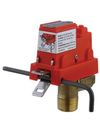
Pressure relief valves are critical components in fire sprinkler systems, safeguarding the system by relieving excess pressure caused by supply surges or temperature fluctuations. Since the 2010 edition of NFPA 13, these valves have been mandatory for all wet pipe systems. Selecting the correct pressure relief valve for a specific system requires careful planning to ensure compliance and optimal performance.
Corrosion prevention is crucial for protecting lives and property.
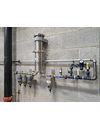
Corrosion poses a significant threat in fire sprinkler systems, often remaining undetected until it’s too late, leading to property damage or even loss of life during a fire event. Traditional Inspection, Testing, and Maintenance (ITM) protocols are essential but can inadvertently accelerate corrosion rates by introducing fresh oxygen into the system. Fortunately, advancements in products and str
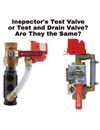
Choosing and placing valves carefully is important for fire sprinkler systems to meet code requirements. The Inspector’s Test Valves and Test and Drain Valves are frequently confused. This is because they perform similar functions but have distinct characteristics and applications. Understanding the differences

A proactive approach to extend the life of your systems.
Among the requirements needed to keep commercial fire sprinklers working and code compliant are the routine inspections, which can seem complex. Most of the Inspection, Testing and Maintenance (ITM) of sprinkler systems require a qualified life safety professional, but some of the work can be done by in-house facility personnel.
NFPA 25, the Standard for the Inspection, Testing, and Maintenance of Water-Bas
We are excited to announce that we are in the final phase of transitioning our trusted Model 7000 Pressure Relief Valve to its upgraded counterpart, the