


Air Quality Assessments Ltd services

Air Quality Modelling Services
Air Quality Assessments Ltd undertake atmospheric dispersion modelling for road traffic and point emissions sources.
Planning Application Support Services
Air quality impact assessments are often necessary where a proposed development may impact on, or be impacted by, local air quality. The National Planning Policy Framework states that, “The planning system should contribute to and enhance the natural and local environment by … preventing both new and existing development from contributing to or being put at unacceptable risk from, or being adversely affected by unacceptable levels of soil, air, water or noise pollution …”; therefore, air quality can be a material consideration when a planning application is being determined, and consent has been refused due to air quality issues.
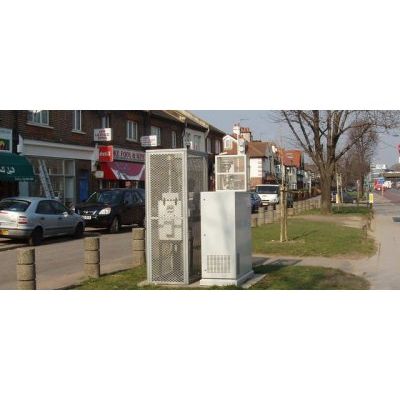
Air Quality Monitoring Services
Air Quality Assessments Ltd offer a range of air quality monitoring services. Nitrogen dioxide diffusion tube monitoring and automatic PM10 monitoring can be used to assess compliance with the National Air Quality Objectives, and dust deposition monitoring can be used to assess the risk of a dust nuisance occuring due to fugitive dust emissions from demolition/construction, waste management and minerals extraction/processing.
Odour Assessment Services
Whether you are proposing to develop residential use close to an existing odour source, or need to provide an Odour Management Plan (OMP) to accompany your environmental permit application, Air Quality Assessments Ltd provides a comprehensive service relating to odour investigation and assessment. Odour emissions can have an adverse impact on the amenity of sensitive receptors, resulting in complaints and enforcement action from the regulating authorities. An odour assessment can help identify whether there is a risk of odour annoyance.
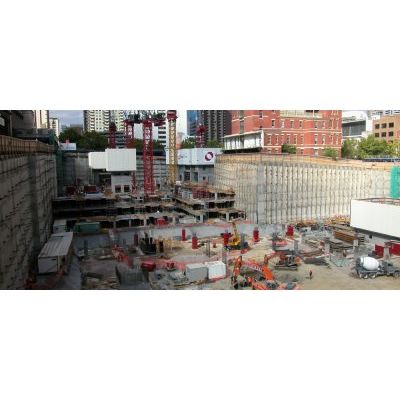
Dust Assessment Services
Dust can be generated by a wide variety of activities, including demolition/construction, minerals extraction and waste management. Dust emissions can cause a nuisance where there is deposition onto surfaces, causing noticeable fouling. This can lead to complaints from the public to the local authority or regulator. Dust emissions can also have an effect on vegetation, and will need to be considered when dust generating activities take place close to sensitive habitats. The fine fraction of dust (PM10) can also travel deep into the lungs, and have a detrimental effect on the health of people exposed to it.
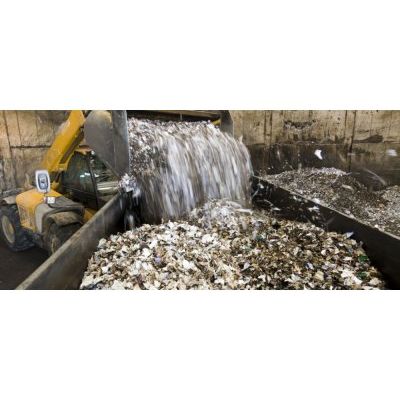
Environmental Permit Support Services
Air Quality Assessments Ltd provide support for Environmental Permit applications, and can produce reports for submission to regulatory authorities in tandem with impact assessments for planning authorities. Depending on the process, there may be a risk from controlled releases to air, or from fugitive emissions such as dust or odour. Risks to the environment may be screened out as insignificant, or more detailed assessment using air quality modellingmay be required. Results from modelling can also be used to determine a suitable chimney height. Permit applications for dusty or odorous processes may also need to be accompanied by a dust or odour management plan.
Local Air Quality Management (LAQM)
Under the Environment Act (1995), local authorities are obliged to periodically review and assess air quality within their boundaries, and identify areas where there are likely to be exceedences of the national air quality objectives. Where the air quality objectives are exceeded, the local authority must declare an Air Quality Management Area (AQMA), and develop an Air Quality Action Plan (AQAP) which sets out what they are going to do to work towards achieving the objectives. This process is known as Local Air Quality Management (LAQM).