


- Instrumentation
- Parameters - pH
- Parameters - Oxidation-Reduction Potential (ORP)
- Parameters - Conductivity
- Parameters - Ion Selective Electrodes (ISE)
- Dissolved Oxygen (DO)
- ORP and Chlorine
- Fluorimeters
- Accessories
- ph - In-Line Sensors
- Industrial
- Custom
- Laboratory
- pH
- pH
- Heavy Metal Sensors
- Oxidation-Reduction Potential (ORP)
- Conductivity
- Calibration Kits
Alpha Measurement Solutions products
Parameters - Oxidation-Reduction Potential (ORP)
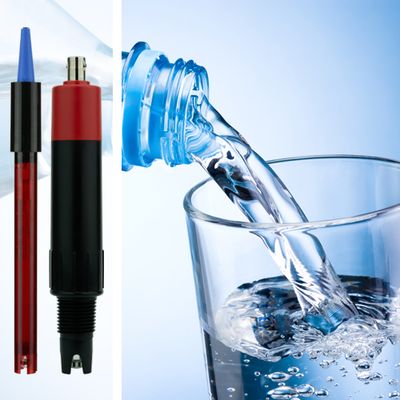
AlpHa - Oxidation-Reduction Potential (ORP) in Drinking Water
Clean drinking water is essential to human health. Monitoring and controlling oxidation-reduction potential (ORP or REDOX) measurements at multiple stages along the drinking water production process ensures the final product is safe for consumption. Measurement of ORP is critical in the drinking water process for the following reasons: Monitoring the disinfection process. Tracking the metallic population in ground or surface water. Ensuring corrosion control throughout the entire distribution system / infrastructure. Ensuring that the expected ORP of the output water meets consumer expectations.
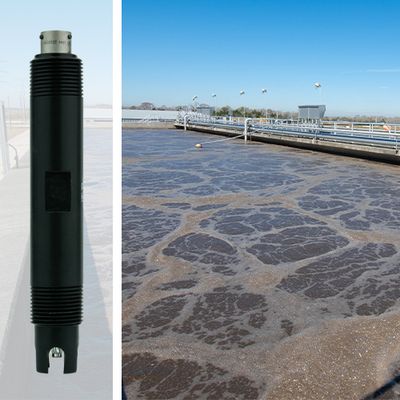
AlpHa - Oxidation-Reduction Potential (ORP) in Wastewater Treatment
Municipal and industrial wastewater facilities are continuously monitoring water quality upstream for incoming wastewater, on-site at the treatment facility, and downstream to verify effluent treatment is effective. Oxidation-reduction potential (ORP or REDOX) measurements are used to monitor the influent for the presence of excessive oxidizers or reducing agents. ORP is also used to monitor activated sludge and if the effluent disinfection (or reaction) by chlorine or other oxidants is still in process. Inversely, it can be used to ensure sufficient de-chlorination has occurred in effluent to safeguard environments downstream of the wastewater plant.