


- Instrumentation
- Parameters - pH
- Parameters - Oxidation-Reduction Potential (ORP)
- Parameters - Conductivity
- Parameters - Ion Selective Electrodes (ISE)
- Dissolved Oxygen (DO)
- Custom
- Laboratory
- Accessories
- Fluorimeters
- ph - In-Line Sensors
- ORP and Chlorine
- Industrial
- pH
- pH
- Heavy Metal Sensors
- Oxidation-Reduction Potential (ORP)
- Conductivity
- Calibration Kits
Alpha Measurement Solutions products
Instrumentation
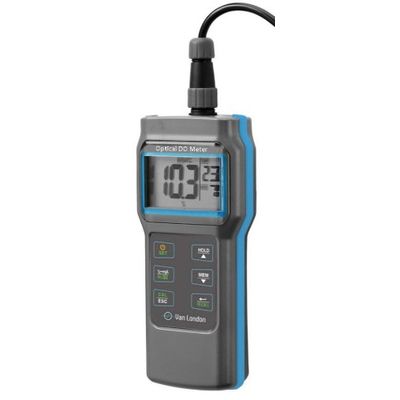
AlpHa - Handheld Optical Dissolved Oxygen Meter
Handheld meters can range in form factor, desired parameter(s), and functions to enable measurements across different applications. For form factor, meters can be fully handheld without cables (an all-in-one option with a sensor built-in to the meter) or with cables where sensors can be easily interchanged. As an example, AlpHa’s optical dissolved oxygen handheld meter offers both laboratory and field / process sensors for multiple applications.
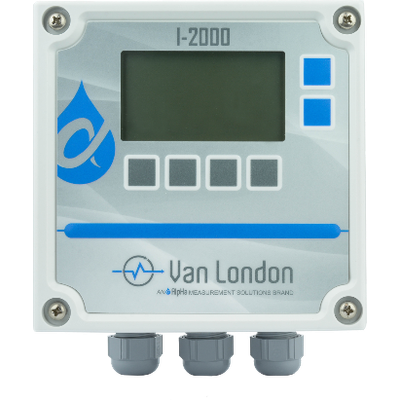
AlpHa - Model I-200 - UniversalTransmitter
When identifying a transmitter and desired electrode configuration, there are many factors to consider including design, output, and functionality. AlpHa can partner at any stage in the development process to design, develop prototypes, and execute delivery through global manufacturing. An example is AlpHa’s I-2000 universal transmitter which provides unique configuration options to measure pH, ORP, conductivity, ion-selective electrodes, chlorine, and / or dissolved oxygen.
Parameters - pH
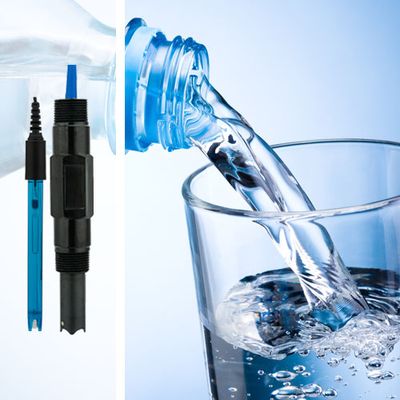
AlpHa - pH in Drinking Water
Clean drinking water is essential to human health. Monitoring and controlling pH at multiple stages along the drinking water production process ensures the final product is safe for consumption. Measurement of pH is critical in the drinking water process for the following reasons: Alerting operators to incoming source water problems. Allowing efficient use of flocculation chemicals and other treatment regiments. Ensuring that the expected pH of the output water meets consumer expectations. Ensuring corrosion control throughout the entire distribution system / infrastructure.
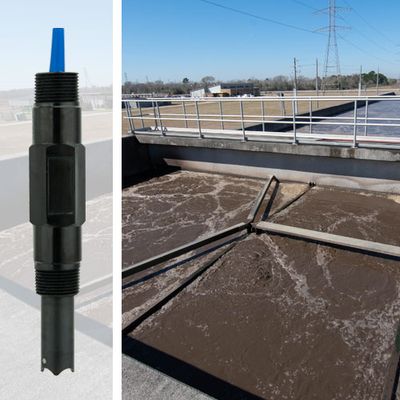
AlpHa - pH in Wastewater Treatment
Municipal and industrial wastewater facilities are continuously monitoring water quality upstream for incoming wastewater, on-site at the treatment facility, and downstream to verify effluent treatment is effective. Regulatory requirements dictate pH measurements to be taken and reported on a continuous basis. In municipal wastewater facilities, monitoring and controlling pH ensures the wastewater treatment process is operating properly. pH measurement is used to track the health and performance of the wastewater biology resulting in efficient use of treatment chemicals. Regulations dictate acceptable permit limits and require facilities to monitor pH throughout the treatment process.
Parameters - Oxidation-Reduction Potential (ORP)
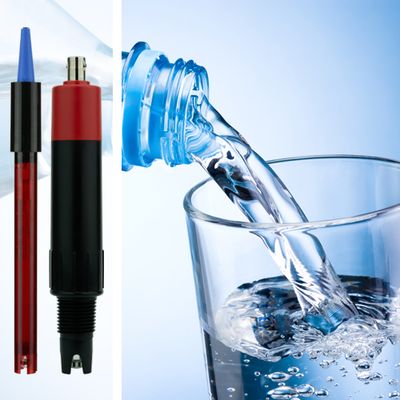
AlpHa - Oxidation-Reduction Potential (ORP) in Drinking Water
Clean drinking water is essential to human health. Monitoring and controlling oxidation-reduction potential (ORP or REDOX) measurements at multiple stages along the drinking water production process ensures the final product is safe for consumption. Measurement of ORP is critical in the drinking water process for the following reasons: Monitoring the disinfection process. Tracking the metallic population in ground or surface water. Ensuring corrosion control throughout the entire distribution system / infrastructure. Ensuring that the expected ORP of the output water meets consumer expectations.
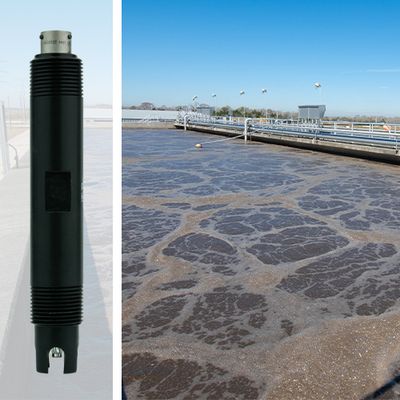
AlpHa - Oxidation-Reduction Potential (ORP) in Wastewater Treatment
Municipal and industrial wastewater facilities are continuously monitoring water quality upstream for incoming wastewater, on-site at the treatment facility, and downstream to verify effluent treatment is effective. Oxidation-reduction potential (ORP or REDOX) measurements are used to monitor the influent for the presence of excessive oxidizers or reducing agents. ORP is also used to monitor activated sludge and if the effluent disinfection (or reaction) by chlorine or other oxidants is still in process. Inversely, it can be used to ensure sufficient de-chlorination has occurred in effluent to safeguard environments downstream of the wastewater plant.
Parameters - Conductivity
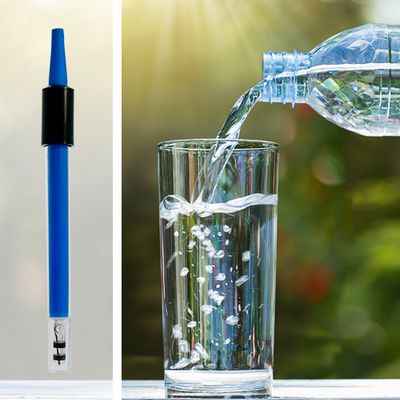
AlpHa - Conductivity in Drinking Water
From gaging the quality of incoming raw water, understanding filtration effectiveness, and efficient use of treatment chemistries, conductivity measurements are utilized to monitor key stages within the drinking water process. Monitoring conductivity helps prevent corrosion in distribution systems, scale build-up, and taste / odor in the drinking water. AlpHa has sensor solutions uniquely tailored to each application, including continuous (process) monitoring sensors, laboratory / field electrodes, and cartridge options for multiparameter / sonde.

AlpHa - Conductivity in Wastewater Treatment
Municipal and industrial wastewater facilities develop baseline conductivity measurements to monitor changes throughout the treatment process. If significant changes in the baseline occur, it can alert operators that pollutants have entered the process, a sewage leak has occurred, or other process controls need to be reviewed. Combined with pH and other sensors, conductivity is a key parameter to control and monitor the activated sludge process in wastewater treatment applications. Industrial wastewater applications have a conductivity or total dissolved solids (TDS) specification to meet before effluent can be released downstream. AlpHa has sensor solutions uniquely tailored to each application, including continuous (process) monitoring sensors, laboratory / field electrodes, and cartridge options for multiparameter / sonde.
Parameters - Ion Selective Electrodes (ISE)
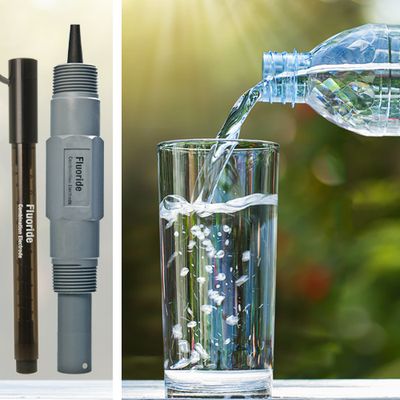
AlpHa - Ion Selective Electrodes (ISE) in Drinking Water
Monitoring and controlling specific ion strengths at multiple stages along the drinking water production process ensures the final product is safe for consumption. Ion-selective electrodes (ISE) are commonly used to address specific issues related to drinking water production and community water quality.
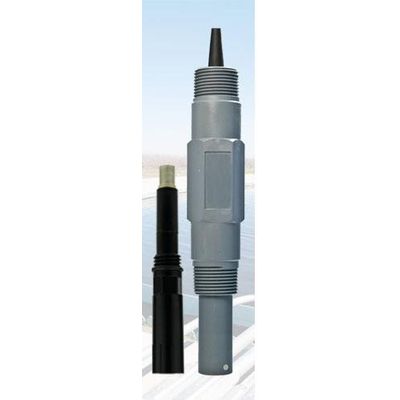
AlpHa - Ion Selective Electrodes (ISE) in Wastewater Treatment
Municipal and industrial wastewater facilities measure ion concentrations upstream, on-site at the treatment facility, and downstream to meet government regulations. Specific ions play a large role in identifying the performance of wastewater biology, efficient use of treatment chemicals and energy, and odor control of the effluent. The following ion-selective electrodes (ISE) are examples of critical ions measured throughout the wastewater treatment process: Ammonium, nitrate, potassium, chloride, water hardness (total calcium and magnesium), ammonia.