

Arrgh Manufacturers Co, Inc. products
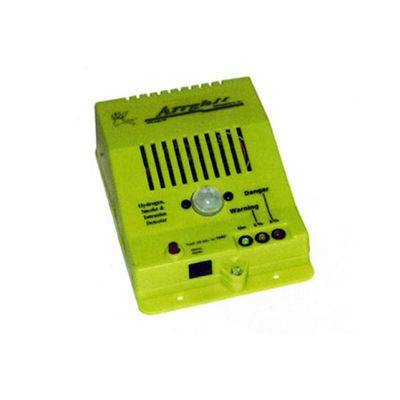
Arrgh - Model Mark 5 - Hydrogen Gas and Smoke Detector with Optional Silent Intrusion Alarm
The Mark 5 is primarily designed for unattended battery installations, or remote shelters, containing lead acid batteries and charging systems. These batteries emit hydrogen gas when charging. The lower explosive limit for hydrogen in the atmosphere is 4%. The Cerberus I is designed to turn on an exhaust fan if the gas level reaches 1%, and generate an alarm if the concentration reaches 2%. This alarm consists of local 80db horn, a flashing red LED, and a dry contact switch closer for reporting to a remote alarm system.
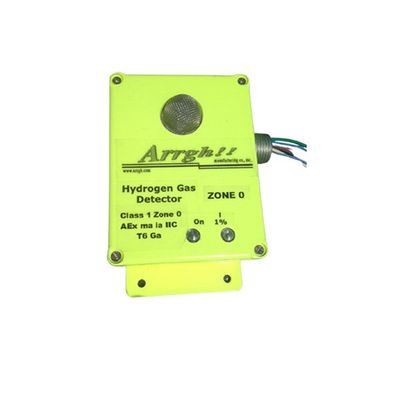
Arrgh - Model ZONE 0 - Hazardous Gas Detector
The Hazardous Gas Detector protects process rooms and other locations where Methane, Natural gas, Propane , or Hydrogen may be present by monitoring hazardous gas levels. For Meth-ane, concentrations of 5% to 15% mixed with air can be explo-sive. Sparks or hot surfaces can ignite them. The Methane gas detector will provide a warning and facilitate dissipation of the hazardous gas, by operating alarms and exhaust fans before it reaches the lower explosive limit of 5%. The Alarm is set for 1%.
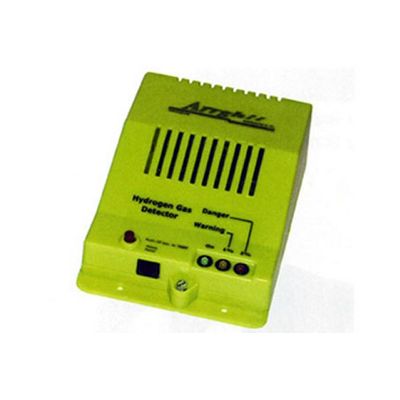
Arrgh - Model Mark IV - Hydrogen Gas Detector
The hydrogen gas detector protects battery charging rooms and other locations where motive and stationary batteries are present by monitoring hydrogen gas levels. Lead-acid batteries on charge emit hydrogen gas after reaching the 80% recharge point. Concentrations of 4% to 75% mixed with air can be explosive. Sparks or hot surfaces can ignite them. The hydrogen gas detector will provide a warning and facilitate dissipation of the hydrogen, by operating alarms and exhaust fans before it reaches the lower explosive limit of 4%.
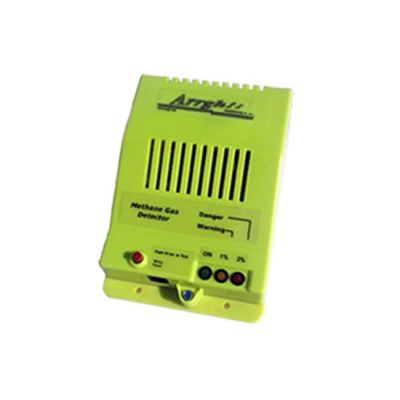
Arrgh - Model Mark II - Methane Gas Detector
The Methane gas detector protects rooms and other locations where Methane gas can accumulate by monitoring gas levels. Concentrations of 5% to 15% mixed with air can be explosive. Sparks or hot surfaces can ignite them. The Methane gas detector will provide a warning and facilitate dissipation of the Methane, by operating alarms and exhaust fans before it reaches the lower explosive limit of 5%.