


Atlantic Training LLC training
Chemicals Safety Training
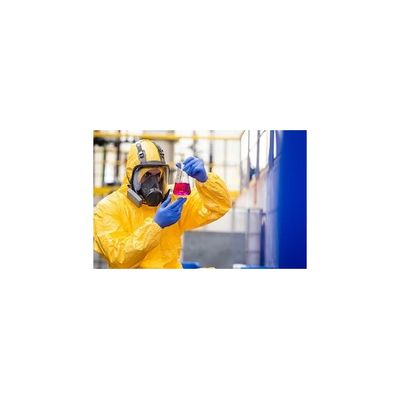
Chemical Hazards: Hazardous Materials Safety Training Course
This course introduces chemical hazard safety, awareness, preparedness, and safe handling in the workplace. When you hear the words “hazardous material”, what comes to mind? Most likely you are thinking about something that may explode, is corrosive, or is extremely toxic to the environment. You may even be thinking, “I don’t have to worry about hazardous materials, they are only found within a chemistry lab or at a chemical plant!” You would then be surprised to learn that hazardous materials can be found in items we use in our homes: primarily cleaning products which often include ammonia, bleach, and other chemicals. In addition, hazardous materials are commonly used in many different industries, including construction, manufacturing, treatment plants, transportation, warehousing, and healthcare. Even when you are being careful, spills, accidents, and injuries can occur, especially if hazardous materials are not handled and stored properly.
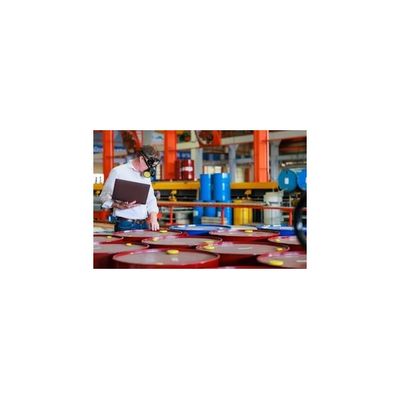
Hazardous Materials: Hazard Communication and Spill Containment Training Course
Hazards are everywhere. Common cleaning supplies contain hazardous materials. Stay safe, know risks, and handle procedures. Every janitorial closet contains hazardous materials. We tend to forget that substances as common as cleaning supplies are hazardous. The more common a substance, the less attention we pay to ensure it’s handled, stored and cleaned up properly. This lax treatment of chemicals leads to mistakes and exposure to toxic, flammable, or corrosive materials. Have you ever painted without proper masking or ventilation? Have you ever knocked over bleach and just wiped it up with paper towels? How about something a little more hazardous? Did you know or follow proper handling and spill containment procedures? Your safety, along with those of your coworkers, should be top of mind when working with hazardous materials.
Construction Safety Training
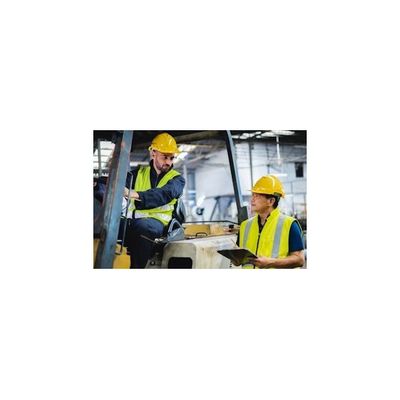
Hazard Identification: Recognizing Hazards Training Course
This course will help you recognize common workplace hazards and explain procedures followed to prevent and report incidents. Did you know that hundreds of thousands of work-related injuries and illnesses are reported to OSHA every year? When a worker is hurt, it can lead to missed days from work or a new job assignment due to being unable to complete a current task. Common workplace injuries include fractures, sprains, bruises, lacerations, burns, and more serious injuries such as amputations, loss of an eye, or even death. In a recent annual study by the Bureau of Labor Statistics (BLS), the top two industries with the most work-related fatalities were the transportation and construction industries. Veterinary services and nursing were the top industries with non-fatal injuries and illnesses, respectively. These are not the only four industries where injuries, illnesses, incidents, and close calls occur; they occur across all industries, both public and private.
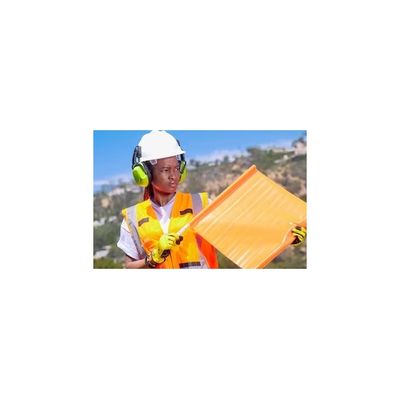
Construction Safety: PPE Selection and Requirements Training Course
Learn how to select, use, and manage Personal Protective Equipment (PPE) in the construction industry. "Do I have to wear this? Is it protecting me? From what, and how can I be sure?" If these questions sound familiar, you`re not alone. The choice and variety of Personal Protective Equipment (PPE) in the construction industry can often seem overwhelming. In this course, we`ll not only help you navigate the world of PPE but also understand its significance in the bigger picture of workplace safety. We`ll dive into the guidelines laid down by the Occupational Safety and Health Administration (OSHA) – including the General Duty Clause, 29 CFR 1910.132, and 29 CFR 1926.28 – ensuring you understand how to protect yourself and others from job-related hazards.
Environmental Services Safety Training

Stormwater: Erosion Control and Pollution Prevention Training Course
Stormwater Pollution Prevent Plans and Best Management Practices are crucial elements in erosion and runoff control. Protecting our environment and minimizing the impact of stormwater runoff is essential in today`s construction industry. This introductory course on Stormwater Pollution Prevention equips participants with the knowledge and skills needed to effectively manage stormwater and prevent pollution on and from construction sites. Designed for construction professionals and individuals responsible for environmental compliance, this training provides a solid foundation in stormwater management practices and regulatory requirements.

Universal Waste Training Courses
The EPA created "universal waste" to simplify recycling low-risk hazardous waste materials. This course covers the basics. Disposing of hazardous waste can be a long and complicated process, but some hazardous waste materials are less harmful to people and the environment than others. So to make it easier to recycle these low-risk hazardous waste materials, the EPA created a different class of hazardous waste called "universal waste". And even though the criteria for their disposal aren`t as strict as for other hazardous wastes, there are still processes and procedures that must be followed to ensure that they are handled and transported safely.
Facilities Services Safety Training
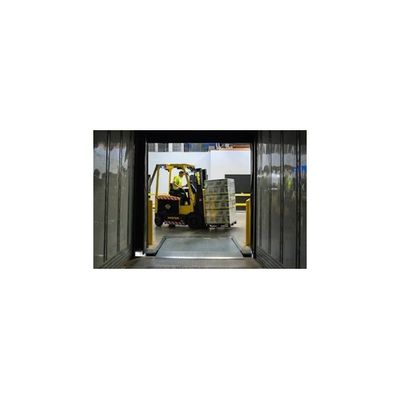
Forklifts: Pedestrian Safety Training Course
Forklift Safety 101. Pedestrians and forklift operators need to remain aware of their surroundings to prevent accidents. It’s easy to forget forklifts are powerful, dangerous vehicles when you’re around them all day. It’s also easy to take a turn too fast or forget to honk while backing up in the hurry to finish your work. Easy to forget, that is until someone gets hurt. On average, 20,000 workers are killed or injured in forklift-related incidents each year.
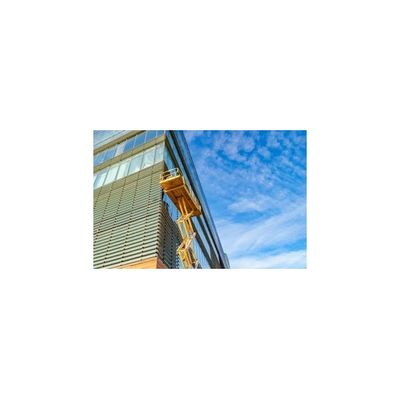
Scissor Lifts in Industrial and Construction Environments
Implement best practices for working on scissor lifts and enhance skills for inspection & maintenance. Atlantic`s Scissor Lifts in Industrial and Construction Environments introduce employees to scissor lifts, make them aware of the hazards associated with these lifts and give them the information they need to work safely using a scissor lift or working near one.
General Health & Safety Training
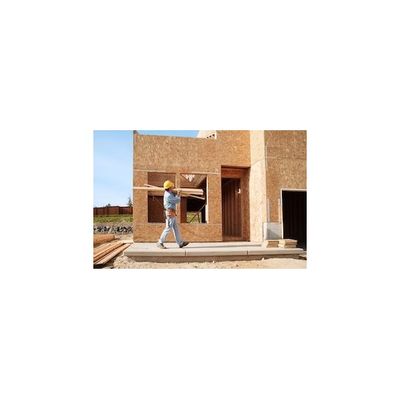
Walking and Working Surfaces in Construction Environments
Learn safe practices for walking and working surfaces in construction. Prevent slips, trips, and falls & proper precautions. Whether we’re standing, walking or climbing, we depend on the surfaces we walk upon to provide the support we need to position ourselves properly, use our muscles efficiently, keep our balance… and do our work safely. Yet slips, trips and falls continue to make up 20% of disabling occupational injuries, and thousands of fatalities in the construction industry every year. Fortunately, most of these accidents can be prevented.Atlantic Training`s course on "Walking and Working Surfaces in Construction Environments" discusses the hazards that are associated with different walking surfaces that employees can encounter on the job, and provides practical information that they need to protect themselves from harm.