


Automasjon og Data AS products
Sensor Technology
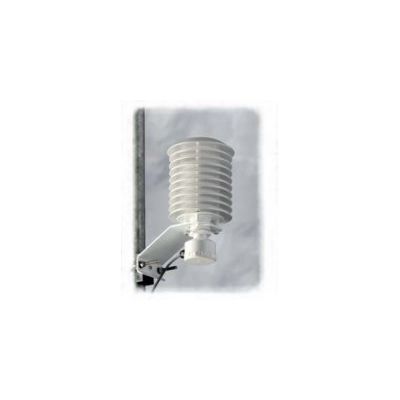
Automasjon - Meteorological Sensor
Meteorological sensors normally includes sensors to measure Air Temperature, Air Humidity and Barometric Pressure. Rainfall sensors, Solar Radiation and others can also be included. A+D can deliver sensors from different manufacturers with different qualities, however only those robust enough to survive the harsh conditions offshore will be recommended. We have over 25 years of experience in choosing the best models for your application.
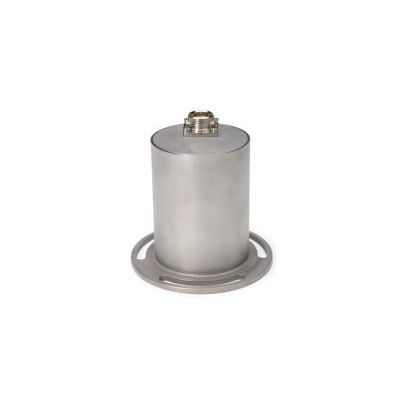
Automasjon - Motion Sensor
Motion sensors are normally based on angular or acceleration measurements. They are used for measuring a large number of parameters, such as Pitch, Roll, Heave, Surge, Sway, Yaw, Acceleration, Helideck Heave, Helideck Inclination, Heave Rate, Trim, List and others. Some of these parameters are measured directly by the sensors, others are calculated within the sensor or by accompanying software products. Special care must be taken in selecting a sensor with suitable measurement range and frequency range for the application as well as correct sensor location. Please contact us for advice.
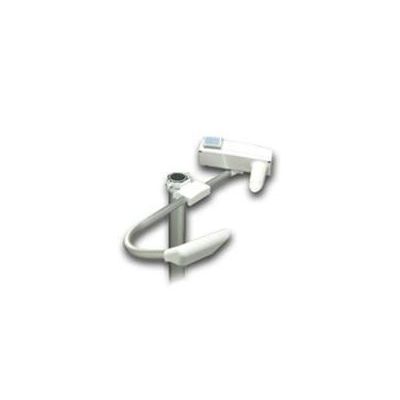
Automasjon - Optical Sensors
Optical sensors for measuring Visibility and Cloud Height are traditionally used at airports and heliports, but are now also widely used offshore to improve safety in helicopter traffic. These sensors often use complicated lenses and optical components that is sensitive to vibration and mechanical shock. Special care therefore needs to be taken when locating and installing such sensors offshore, if possible shock absorbers should be used. Optical sensors are also very vulnerable to shadowing from parts of the structure and may also be influenced by exhaust, hot or dry air outlets. Please contact us for advice.
Automasjon - Current Sensors
Current sensors are normally divided into 2 groups, Single-point Current Meters and Current Profilers. Single-point current meters will only measure the current in the exact depth where they are installed, and as sea currents often tend to vary significantly with depth, it’s often preferred to measure the current profile for the entire water column by using a Current Profiler.
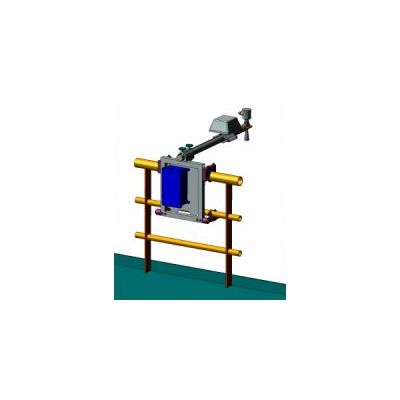
Automasjon - Ocean Wave Sensors
The industry standard for Wave measurements is to use a buoy moored freely in the ocean transmitting data to shore or a nearby platform. This method has operational limitations that in many cases require other solutions. For offshore use, several other solutions based on down-looking radars or lasers exist and work reliably, depending upon location. Also systems based on using horizontally looking radars, even standard X-band ships’ radars have been used as well as up-looking ADCP sensors and pressure sensors.
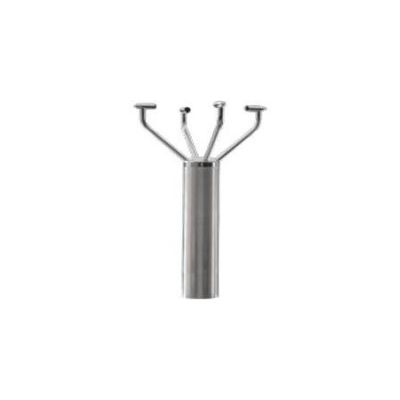
Wind Sensors
Wind speed and direction have traditionally been measured by using mechanical methods, such as propellers and rotating cups. In recent years, sensors using modern ultrasonic technology have been introduced and developed to a level that makes them suitable for offshore applications. A+D can deliver both types of sensors from different manufacturers, however only those robust enough to survive the harsh conditions offshore will be recommended. We have over 25 years of experience in choosing the best models for your application.
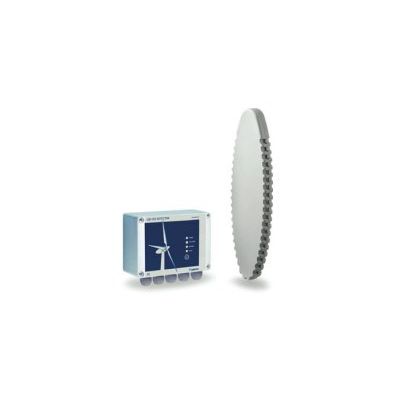
Ice Detection Sensors
Working in sites exposed to icing can be extremely dangerous to working personnel if not warned in time. Ice can make steps and ladders slippery and make work situations at heights or emergency evacuation more dangerous than allowable. Wind turbines — in particular offshore, and offshore oil and gas platforms — in particular in arctic waters, will be exposed to icing in all outdoor work areas such as landing points, ladders, gangways, etc. and the ability to predict this could be vital to the safety situation onboard.
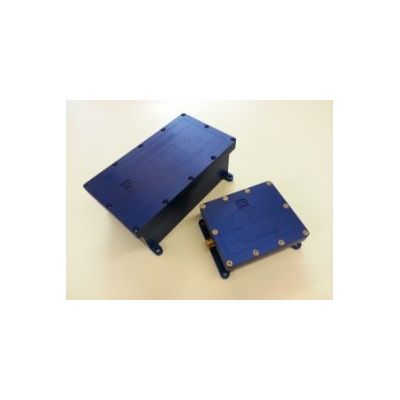
Adaptive Integrated Motion Measurement Sensors (AIMM)
Adaptive Integrated Motion Measurement for Offshore and Marine Applications. Adaptive Integrated Motion Measurement (AIMM) is a unique hardware and software development based around MEMS technology (Micro Electrical Mechanical Systems) digital Inertial Measurement Units (IMU). IMU units typically incorporate accelerometers, rate gyro sensors, and magnetometers.
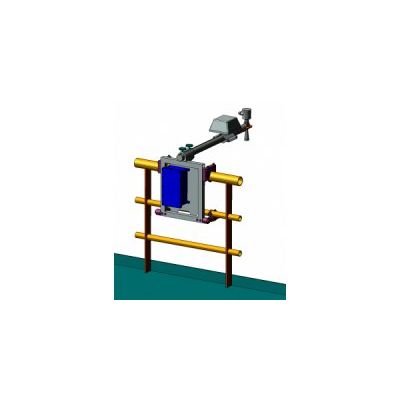
Wavesat – Downlooking Wave Radars
Wave measurements using a non-contact down looking narrow beam radar is a well proven method for wave measurements offshore. This method will usually give very good results providing that an installation site with an unobstructed view of the waves can be found. Radar sensors, complete with installation brackets are available to measure Wave Height and Period. Transportable systems are also available.
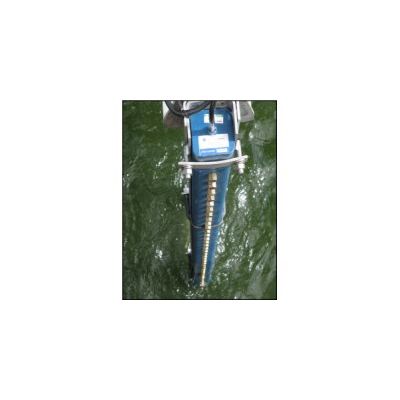
Stepgauge Tide and Wave Measurements Sensor
Tide and Waves can be measured in many different ways, depending upon application, but one of the main problems will always be reliability in long term operations. The Stepgauge sensor is one of the most robust sensors on the market with extreme long-term reliability and low maintenance requirements. This unit is perfectly suited for harbours and shallow water applications, but can also be used in other applications where it can be installed alongside a structure or pole.