
- Home
- Companies
- Blumberg Engineers
- Services
Blumberg Engineers services
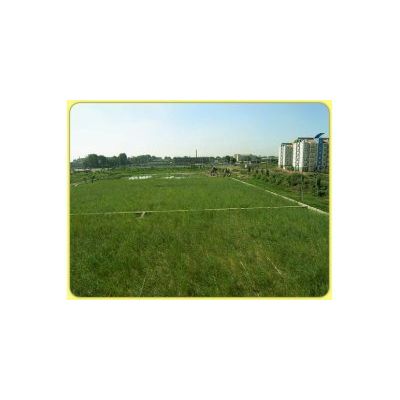
Reed Beed Treatment
Natural wetlands, permanently waterlogged areas populated by hydrophytic plants such as reeds, comprise a variety of sub-surface micro-habitats of differing oxygenation and redox potential, and support a diversity of microorganisms – bacteria, fungi, actinomycetes, protozoa – which degrade organic and inorganic substrates entering the system. Constructed wetland systems are increasingly being employed for treatment of wastewaters, sludges and industrial effluents as a cost-effective, low energy and robust alternative to traditional engineered biological treatment such as the activated sludge process.
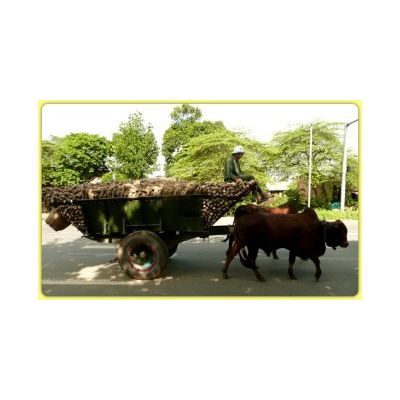
Industrial Wastewater Treatment
Treatment of tapioca processing industrial wastewater in Southern Vietnam. In tropical zones, surface water is often the only source for drinking and industrial water supply. However, due to numerous discharges of untreated wastewater, water bodies are often highly contaminated. The main objective of this project is to develop procedures and techniques to sustainably improve the water quality of polluted surface waters in tropical and subtropical zones under given socio-economic and ecological constraints. This includes experimental studies of tapioca wastewater treatment and the application of numerical simulation techniques to the water cycle and water quality.
Individual Sewage Treatment
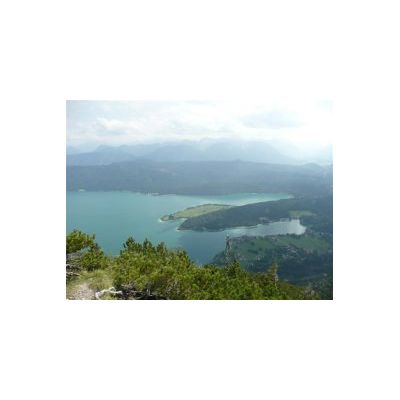
Individual on-site treatment and disposal by constructed wetlands as a dezentralized treatment strategy. Walchensee decentralized local sewage onsite-treatment system.
Municipal Sewage Treatment
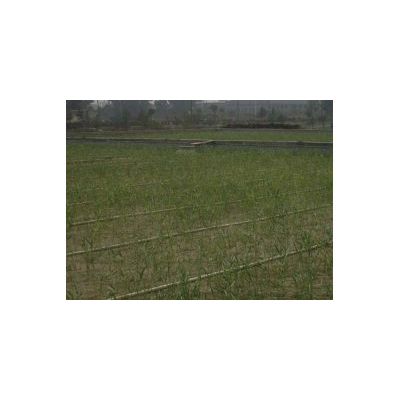
Wetlands, permanently waterlogged areas populated by hydrophytic plants such as reeds, comprise a variety of sub-surface micro-habitats of differing oxygenation and redox potential. Constructed wetland systems are increasingly being employed for treatment of wastewater, sewage sludges and industrial effluents as a cost-effective, low energy and robust alternative to traditional engineered biological treatment such as the activated sludge process.
Stormwater Treatment Biotopes
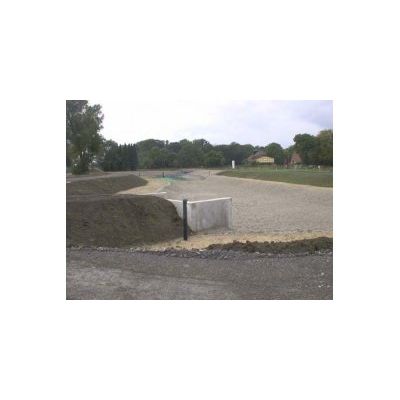
Instead of stormwater overflow basins in concrete, which are use in a combined sewerage system, stormwater wetlands for purification and storage can be used. These artificial biotopes could be established as cascades of ponds for sedimentation and buffering followed by subsurface flow constructed wetlands in form of a soil filter. They provide a high primary and secondary efficiency for wastewater treatment and work as a comparatively cheap method of flood protection and as a wildlife habitat. Well examined realizations of Blumberg Engineers have proven these positive results for more than 14 years now.
Landfill Leachate Treatment
In the south-east of Hamburg, on the area of the depleted moor of Havighorst, surveyors in 1978 detected that major quantities of contaminated seepage water were leaking from the south-western boundary of a former construction waste dumping site (18 ha), which had been closed down and recultivated. Due to the bad smell it emanated, the seepage also had a negative impact on the local recreational area. In a move to solve this inherited problem, the leaking waters were captured and a constructed wetland system was built using the root zone method. This close-to-nature disposal concept, at the heart of which is a reed bed, was put into practise by the city of Hamburg in 1986.