


- Home
- Companies
- CDG Environmental, LLC
- Applications
CDG Environmental, LLC applications

A typical industrial or institutional cooling water system is arranged like the schematic in Figure 1. There are typically two water loops and a refrigerant loop. Chilled water is circulated in the chilled water loop through the apparatus or building that needs cooling. Heated water is returned through an evaporator where refrigerant is evaporated by the heat from the warmer chilled water. This refrigerant is compressed and condensed by cooler water returning from a cooling tower in a tower water loop. Solution 3000 can solve serious problems caused by microorganisms in both loops of the system through which water circulates.
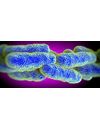
Legionnaires’ disease (Legionellosis) has been described as “the most significant waterborne-disease risk associated with drinking water in the United States”. Legionellosis is caused by Legionella, bacteria that often proliferate in biofilm on the inner surfaces of water systems. Legionella can grow in water temperatures up to 140° or more. Therefore they are especially problematic in recirculating systems such as cooling towers, ornamental fountains and hot water systems in hospitals, hotels, nursing homes and other institutions.
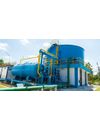
Chlorine dioxide was first used in the USA for potable water treatment over 70 years ago near Niagara Falls, NY where it was used to remove phenols without producing noxious chlorophenols. Since then it has become the oxidizer of choice to solve many problems in potable water, including: