

Centre for Environment Education (CEE) services
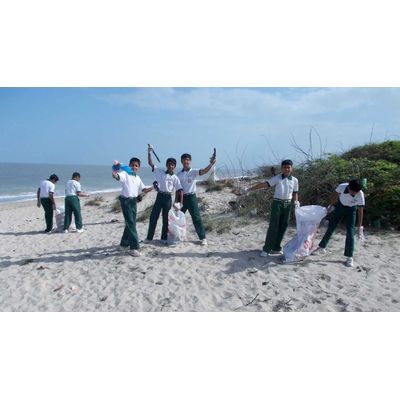
Coastal and Marine Programmes
Coastal and marine areas in India and across the world are facing severe negative impacts due to unsustainable developmental activities. The major impacts include degradation of coastal habitats, declining fish stock, polluted marine waters, salinity ingress and inundation by coastal waters. Climate change impacts – particularly sea level rise, storm surges, monsoon pattern shifts, fish migration and increasing frequency and intensity of coastal hazards – will further magnify our challenges. Considering the need to address these challenges, CEE’s Coastal and Marine Programme focuses on initiating, designing and implementing strategic projects that enhance participatory and integrated approaches for sustainable coastal and marine area management. Education is considered as the key driver in these interventions. Partnerships range from local, regional, national and international levels.
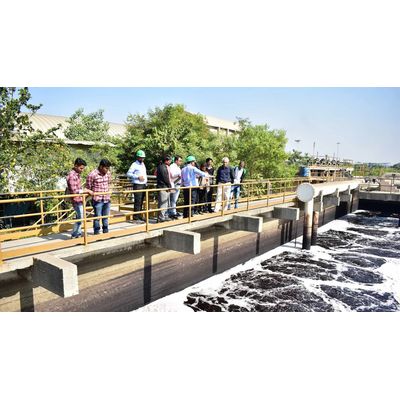
Environment Management Services
The EMG at CEE offers its services and expertise for following aspects in the field of environment management. Awareness, training and capacity building on various aspects of environment management for different stakeholders including individual industries, industrial associations, common facility operators’ i.e. ETP, CETP, TSDF, CBMWIF, CHWIF and E-waste, students and faculties of technical/ R&D institutes/colleges, auditors and consultants and NGOs. The group has organized 9 programmes for about 2000 participants in last three years on different aspects of environment like environmental legislations and compliance, wastewater treatment-reduce, reuse, recycle, ZLD and the air quality management programmes (Aerospectrum in the year 2015,’17 and ‘19), scientific solid/hazardous waste management and such others. A MoU is signed with GPCB-Gandhinagar and NEERI-Nagpur in this regard.

Urban Development Services
Provide infrastructure, educational, communication, and experiential support for developing village water supply, sanitation and hygiene systems. Rapid urban growth has led to a virtual breakdown of civic systems and to environmental deterioration. These concerns build up slowly and are critical in the long-term for the well-being of city dwellers. Everyone, from planners to slum dwellers, needs to become more aware of this and do what they can to improve the situation. CEE organizes programmes to focus attention on the need for public interest and community involvement in order to improve the urban environment. It facilitates exchange of ideas on urban environment and planning issues through seminars, symposia, public meetings and exhibitions.
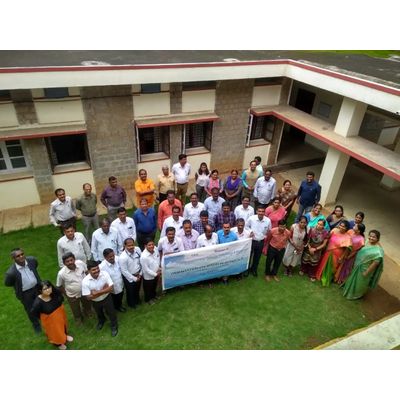
Water & Sanitation Services
Provide infrastructure, educational, communication, and experiential support for developing village water supply, sanitation and hygiene systems. CEE has been involved in the water conservation and sanitation sector since 1986 when it developed a communication strategy and package on fluorosis control as part of the National Technology Mission on Drinking Water.
Sustainable Rural Development Services
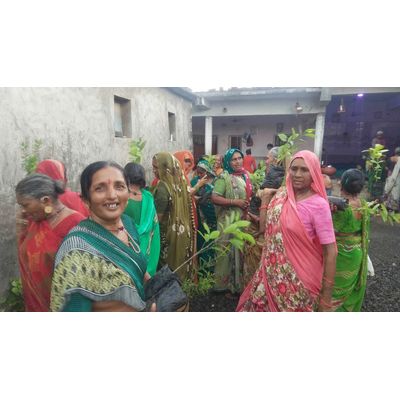
Develop programmes for income generation and better utilization of resources, through field programmes designed specifically for rural communities. Conservation efforts are rarely successful in the absence of a general understanding of the need to integrate environmental consideration into development strategy. It becomes necessary therefore to practically demonstrate the superiority of ecologically sound projects and technologies which can promote such understanding and environmental sensitivity
Waste Management Services
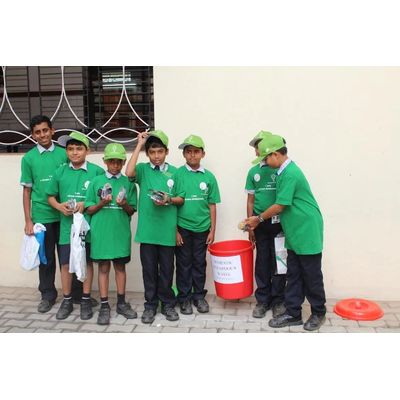
Provide infrastructure, educational, communication, and experiential support for developing village water supply, sanitation and hygiene systems. Waste management initiatives at CEE started in 1989 when it, along with other organisations, participated in a forum called the Committee for Clean Bangalore. It prepared a concept paper for cleaning and greening Bangalore city. It was envisaged that each of the organizations which had helped prepare the concept paper, would take up a certain number of issues and work out practical demonstrations that could serve as models for the whole city. Subsequently, CEE took up the issues of solid waste management, conservation of green spaces and promotion of civic responsibility as part of its mandate.
Disaster Preparedness and Rehabilitation
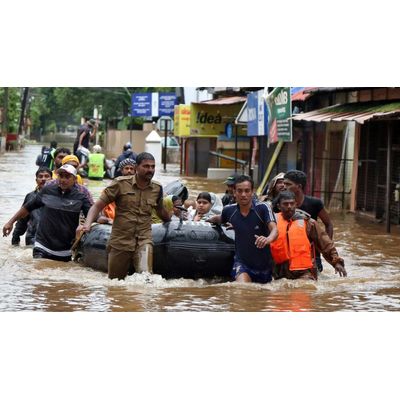
Provide infrastructure, educational, communication, and experiential support for developing village water supply, sanitation and hygiene systems. In the aftermath of the major earthquake that hit Gujarat in January 2001, one of the major challenges beyond the immediate needs of relief, was that of rehabilitation of those who suffered traumatic loss of not just property and shelter, but of the very basis of their existence. This called for a comprehensive programme of restoring in a sustainable manner the livelihoods, so closely dependent on the management and wise use of natural resources, of thousands of people. Like many other organisations which got involved in post-disaster activities, CEE did not have any direct experience of disasters or rehabilitation. It banked on its experience of involving stakeholders in planning and decision-making in developmental activities, to initiate a sustained programme called Rebuilding Hope in two districts.
Facilitating NGO and Community Initiatives Services
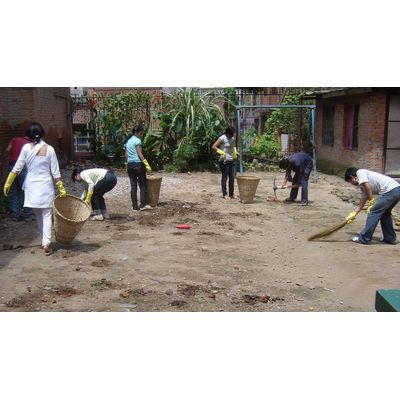
Support activities which demonstrate community-based, innovative, gender sensitive and sustainable approaches. CEE has been working in the field of EE and ESD for the past twenty years. To ensure that this rich experience benefits other non-government and community organizations and initiatives, CEE has undertaken a number of programmes. These focus on information sharing, capacity building, monitoring, etc. to enhance the effectiveness of programmes and projects.

Biodiversity Conservation Services
Provide infrastructure, educational, communication, and experiential support for developing village water supply, sanitation and hygine systerms. Conservation of biodiversity has always been an objective of environment education. CEE has expertise in and has done a wide range of activities in this area. It coordinated the `Education, Awareness and Training` Thematic Working Group of the National Biodiversity Strategy and Action Plan. Several of its Ecodevelopment Programmes looked at biodiversity conservation as a major thrust. Through the Darwin Initiative, Environment Orientation to School Education (EOSE) scheme of MHRD, and the UNDP-GEF-Small Grants` Programme, CEE has also facilitated and networked with many grass-root NGOs working in the field of biodiversity conservation. There have been many school programmes, manuals and training programmes which had, and have, biodiversity as the focus area.

Research in EE and ESD
Document, analyze and research the experiences of CEE and other organizations in EE and ESD. CEE intends to research, document and analyze the diverse experiences in EE and ESD of its own projects and programmes, as well as those of other organizations in India and the rest of the world. The objective is also to learn from these experiences in order to strengthen the content, form and effectiveness of education and communication programmes and activities in the DESD.