


Centre for International Development and Training (CIDT) - University of Wolverhampton training
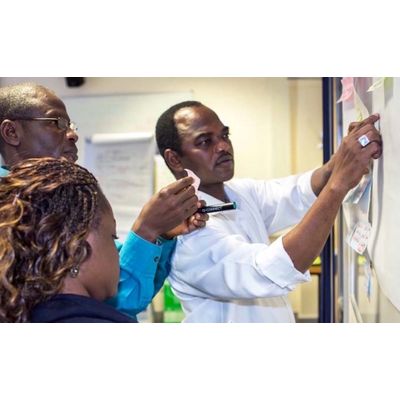
Training and Professional Development
Courses - Managing for Development Results (MFDR)
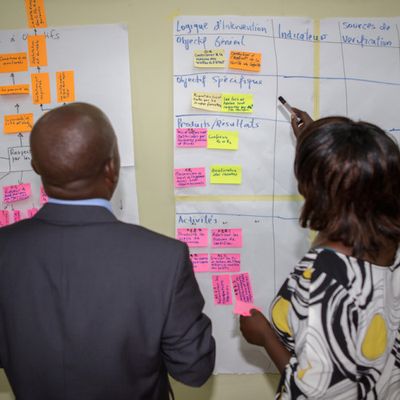
Logical Framework Approach
This course gives training on how to design projects and programmes using the Logical Framework Approach. During the training you will be introduced to a range of tools that support results-based management and learn how to effectively apply them in practice. Most Donor Agencies use ‘Logframes’ as a project/programme planning tool. By the end of this workshop you will feel confident in using Logframes to design a project and will be familiar with their use at all stages of the project cycle. You will also practice undertaking stakeholder analysis, problem analysis and risk analysis – further tools that are extremely important in relation to Project Cycle Management. If required, training can be tailored to examine new style logframes used by DFID and others, and ‘payment by results’.
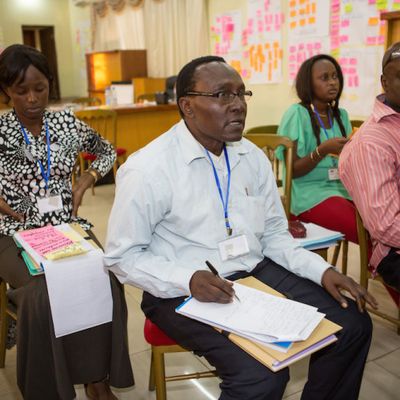
Monitoring & Evaluation Training Courses
During this training participants are introduced to a number of practical tools and learn how to effectively apply them in practice. Monitoring and Evaluation is set within the context of the whole project cycle, and the importance of rigorous project design for effective monitoring and evaluation is emphasised. As a result of the training participants will recognise good practice in reporting, be able to plan an effective project/programme review, and analyse the politics and culture of monitoring and evaluation in their own organisational context.
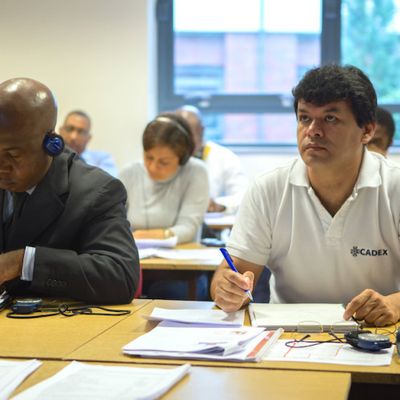
Developing Terms of Reference
Writing terms of reference which are clear and fit for purpose, is the key to mobilising and maintaining the momentum of any development programme or action to reduce poverty. This course aims to improve the confidence and competence of Donor programme and advisory staff to formulate quality terms of reference to enhance the efficiency of aid delivery via consultancy and/or recipient Government assignments.
Strategic Planning
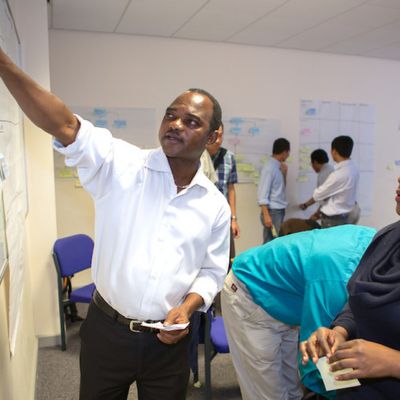
Participants will be introduced to a toolkit to support participatory and inclusive strategic planning. The training is designed to take participant through a process that will assist teams and organizations to identify appropriate goals, strategise for delivering these and develop an operational programme. The workshop will offer a ‘reality check’ to challenge participants to recognize what stops organizations fulfilling their potential and build this into their planning. The workshop will be grounded in participants’ own working environment and real-life organizational constraints. Emerging strategic plans will be challenged in the context of organizational systems, culture and budgets. This can be offered as a training in skills for Strategic Planning or it can be a facilitated event working towards the output of a real strategic plan.
Skills Training
Team Working & Team Building
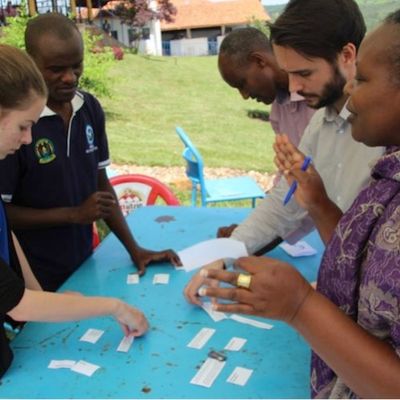
This training explores the role of participants as members of a team. At various points in the work cycle individuals are drawn together to work on specific tasks as a team. Thrown into challenging and often stressful situations it is invaluable to understand the way that people behave and effective teams operate. This training will enable participants to effectively collaborate and get the best from themselves and their team members. The course can be targeted at an existing team or department, focusing on break down sectoral barriers, improve communication across the organization and sharing team-working lessons to improve the organization’s efficiency and effectiveness.
Personal Effectiveness
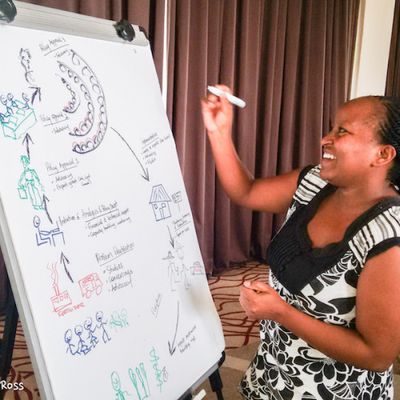
This training examines the role of the participant in his/her professional capacity, offering enabling techniques for managing and maximizing personal resources. This course provides an opportunity for participants to reflect on their current role within their organisation and department, the demands it places on them and the skills and attributes required to respond effectively to the needs of the job. Participants will undertake a skills audit and acquire a number of practical tools and strategies for managing their workload effectively.
Leadership and Management
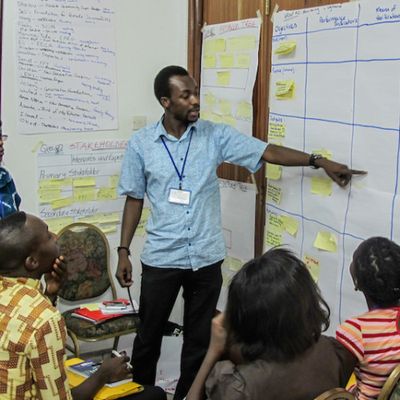
This training aims to support team leaders who have responsibility for getting the best performances from teams and/or colleagues. It offers an opportunity to explore and discuss the meaning of ‘leadership’ and ‘management’ and how management theory translates into practice. Participants will consider different management styles/qualities and reappraise their own skills in the light of their learning and develop their facilitation and coaching skills. By the end of the module participants will be better equipped to manage teams; develop performance and motivate staff and locate this within the management cycle of planning, organizing, communicating, monitoring and evaluating staff performance of staff.