

Chemical Newtech S.p.a products
Anodes for Chlorine
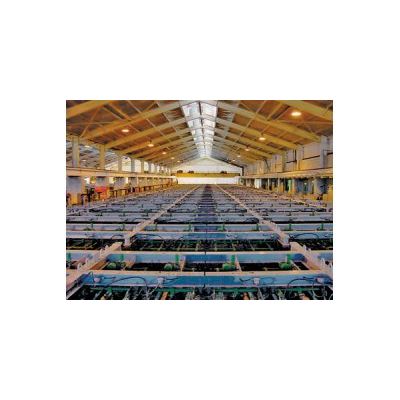
Chemical Newtech - Mercury Cells
The mercury cathode process is based on one of the most tested technologies, but which is now considered in depletion for the problems concerning mercury’s negative impact on the environment. The Titanium anode has for a while now, replaced the original graphite anode. Chemical Newtech proposes itself as a re-coating service.
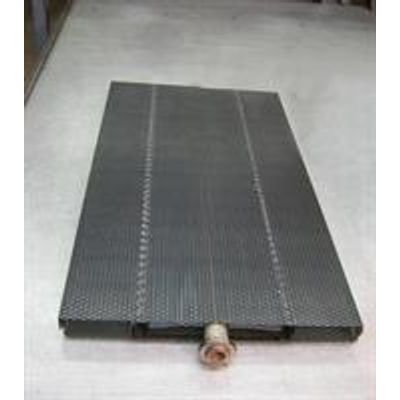
Chemical Newtech - Chlorine Alkali Diaphragm Cells
It’s a technology still nowadays very widespread and it’s based on an anolyte – catholite separation system formed by a porous diaphragm, initially asbestos based, but which is in the process of being replaced, in many plants, with an inert diaphragm in fluorinated polymers fibre (PTFE). This kind of process is common in North-America, Europe, Middle East and South Africa. Anodes have a very similar design to each other and are generally composed by a bimetal copper-titanium central bar, which has the duty to convey the current to the anode’s surface formed by two opposed nets in activated Titanium. Chemical Newtech offers both the re-coating service for the worn-out anodes, through the spot welding on the existing net’s surface of a thickly woven thin net (“Minimesh”), also activated, and the construction from new of the complete anode.
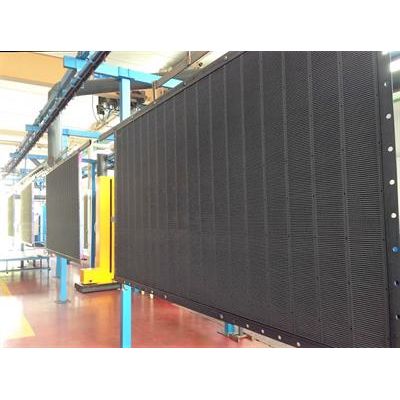
Chemical Newtech - Chlorine Alkali Membrane Cells
It’s the most modern and widespread technology Worldwide in the electrolysis of sodium chloride’s (or potassium) sector and it consists of the use of a conductive polymer separator which allows the migration under the electric field of the Na+ solvated cation to form caustic Alkali in the cathode compartment, while you have the production of Chlorine gas in the anode compartment.
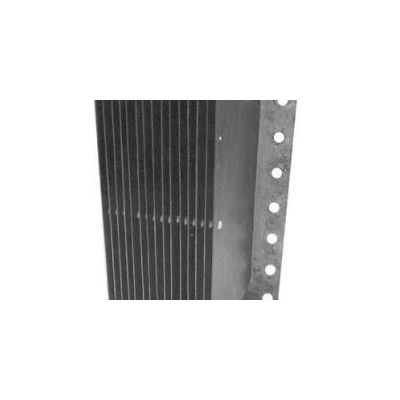
Chemical Newtech - Electrolysers for Chlorate Production
The production of Sodium or Potassium Chloride through electrolysis of the concentrated sodium chloride solutions, without separator, is a process which has now been consolidated for a long time and it involves the use of Titanium anodes and steel cathodes of different shapes and sizes, depending on the manufacturer of the electrolyser. Chemical Newtech manufactures both the cathode and the anode according to the client’s drawing. The coating, essentially Ruthenium Oxide + Palladium Oxide based, is expressly designed for this kind of process.
Anodes for Oxygen
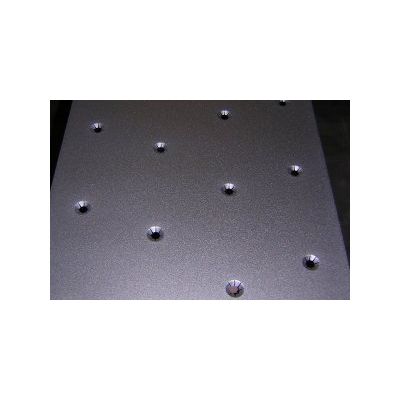
Chemical Newtech - Copper Foil Anodes
The production of the copper foil for printed circuit boards takes place through deposition and continuous removal of a copper film on a Steel or Titanium roller through electrolysis at high current density of a Copper Sulphate and Sulphuric Acid solution. In this way you obtain copper foil (Coil) rollers of more than 1 metre in width and of differing lengths of hundreds of metres.
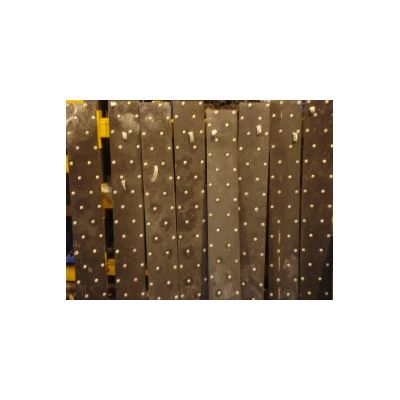
Chemical Newtech - Electrotinning Soluble Tin Anode
This process is similar to electrotinning for many aspects, in this case the material which is deposited is Tin. In most plants the soluble tin anode is used, whereas the insoluble activated Titanium anode was inserted only in one or two cells, with the purpose of rebalancing the concentration of Tin in the solution, which has a tendency to increase the lower cathode efficiency compared to the anode’s. In the last few years a system has been developed in which only insoluble anodes are used, whereas lead is dissolved separately in a dedicated dissolver.
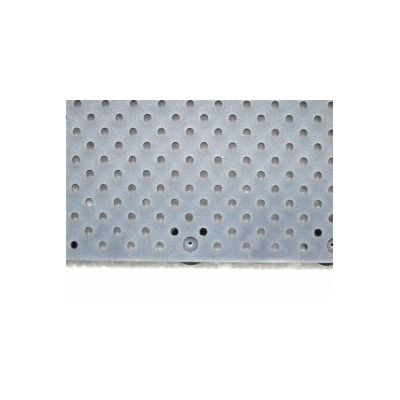
Chemical Newtech - Model PCB - Fill Copper Plating
In the working stage of printed circuit boards there’s a copper deposition inside the holes designed to lodge the contacts of the various electronic components to the circuit board itself. This operation is very delicate and it requires a high and consistent current, that only dimensionally stable anodes are able to supply, differently from the soluble copper anodes.
Chemical Newtech - Steelcord Plating for Tyres
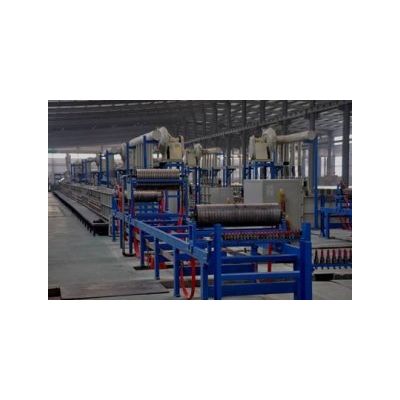
The metallic weaving of the tyres for automotive is composed by steel wires covered with a layer of Brass, to make it compatible with the rubber’s vulcanization. The Brass is created depositing galvanically a layer of copper and zinc on stainless steel wire reels which are then thermally treated to form the copper-zinc alloy and that is Brass. The wires quickly go through the galvanic copper plating and zinc plating baths with sulphates and sulphuric acid, under cathodic polarisation, between two soluble anodes, which could be of copper or zinc. Since a few years ago the use of insoluble anodes has been preferred, as they don’t require any maintenance, unlike the soluble anodes which need to be replaced often because of an uneven consumption which compromises the regular shape and therefore the current distribution.
Cathodic Protection
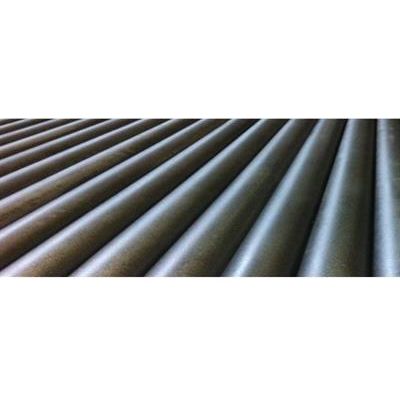
Chemical Newtech - Model HISEO 25 MM - Titanium Tube
Titanium tube MMO activated, used as anode for cathodic protection of underground structures, directly in soil or embedded in backfill carboncoke. Titanium tube MMO activated, used as anode for Impr essed. Current Cathodic Protection of underground structur es, directly in soil or embedded in backfill carboncoke. Applications: Vertical - Horizontal - Deep - Open H oles.
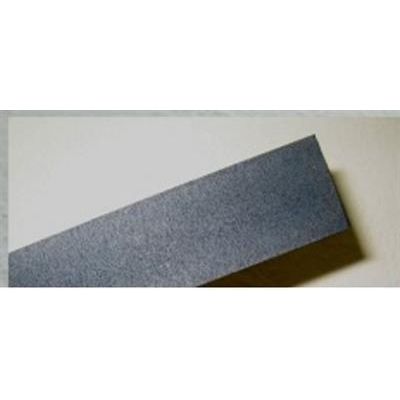
Chemical Newtech HISEO - Titanium Strips
Titanium strips MMO activated, used as anode for cathodic protection of metallic structures in soil or sea / brackish water.