


CIRIA training
Training Courses
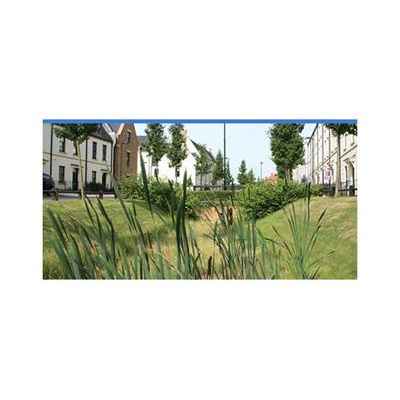
SuDS foundation Training Course
Sustainable Drainage Systems (SuDS) make a vital contribution to managing local flood risk and water quality as well as providing opportunities for biodiversity and amenity in new developments and redevelopments. SuDS are required in all new major developments and awareness by practitioners and regulators and their implementation is steadily increasing. Over time knowledge and experience has improved and it’s important that this good practice is shared to promote improved understanding and high quality SuDS that deliver multiple benefits.
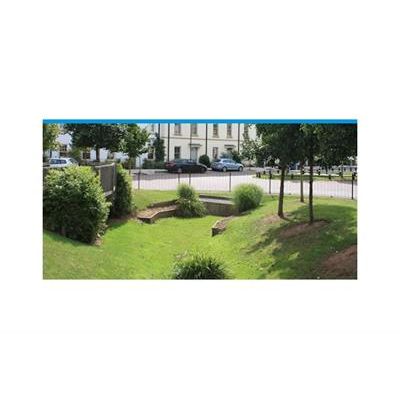
Designing Sustainable Drainage Systems (SuDS) Training Courses
Sustainable Drainage Systems (SuDS) make a vital contribution to managing local flood risk and water quality as well as providing opportunities for biodiversity and amenity in new developments and redevelopments. SuDS are required in all new major developments and awareness by practitioners and regulators and their implementation is steadily increasing. Over time knowledge and experience has improved and it’s important that this good practice is shared to promote improved understanding and high quality SuDS that deliver multiple benefits.
Delivering SuDS: Securing SuDS through planning Training Courses
Following a recent government announcement, all major developments are now expected to incorporate Sustainable Drainage Systems (SuDS), unless these can be shown to be inappropriate. Local Planning Authorities are responsible for ensuring proposals comply with this requirement now incorporated in the National Planning Policy Framework – and conform to appropriate SuDS standards. They will also need to ensure local planning policy reflects this revised approach to drainage. To support this increased focus on SuDS, Lead Local Flood Authorities (LLFAs) have been made statutory consultees for surface water drainage proposals on major developments and will have to work more closely with Local Planning Authorities (LPAs) in ensuring the SuDS proposals adequately manage local flood risk and deliver other important benefits.

Online Learning Training Courses
BIM Strategy for Clients and Consultants Training Courses
With the Government’s 2016 deadline fast approaching, the thirst for Building Information Modelling (BIM) understanding is exceeded only by the multitude of freely available seminars and web resources that claim to explain the strategic and technical aspects of BIM. However, real, practical advice which helps to build strategy and support implementation is very hard to come by.
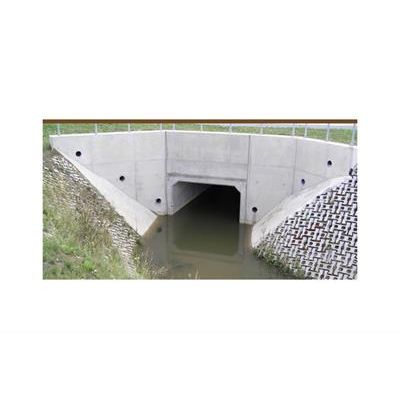
Culvert Screen and Outfall Training Courses
The design and operation of culverts is critical to effective flood risk management. Inadequate design or neglect can lead to severe flooding. This training, based on CIRIA C689 Culvert design and operation guide, provides guidance on the whole-life cycle of culverts, recognising that there is an enormous stock of existing culverts of various types, sizes, age and condition.
Contaminated Land - Detoxified Training Courses
Recent government policy encouraging redevelopment on brownfield sites and the rising number of land regeneration projects in the UK has resulted in construction professionals being required to know how to deal with soil contamination. This industry leading online training course will give you an excellent understanding of contaminated land legislation, liabilities and technical matters.
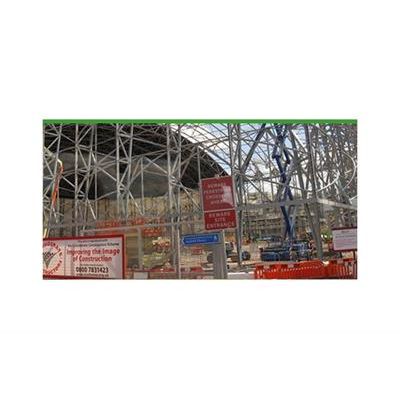
Environmental Good Practice on Site Training Courses
Environmental impacts will arise at any construction project, irrespective of the location, size or nature of the development, and have the potential to affect the immediate neighbour, and also the natural and built environment. Impacts can take many forms, such as noise or pollution, and can affect surrounding flora and fauna. Good environmental practice enables these issues to be managed positively. The task of preventing impacts or minimising the risk of potential impacts is becoming increasingly the responsibility of site-based staff. This greater accountability at site level demands higher standards of environmental awareness and education by all site staff. Though training and using experienced staff, environmental issues can be effectively managed with the speed and urgency that is often required.
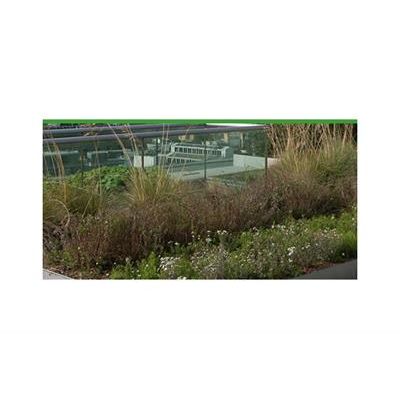
Green Roofs - Basic Principles and Design Training Courses
Currently in the UK many organisations are championing sustainable buildings. The need to embrace sustainability, biodiversity and adaptation to climate change within buildings is increasingly filtering down to clients and practitioners. The implementation of green roofs can significantly contribute to sustainability in the built environment through realising benefits in the areas of biodiversity, sustainable drainage and thermal performance. Although green roof technology is mainstream in most of Europe, there is currently little understanding or expertise in the UK. It is important that professionals within the built environment sector develop an understanding of the technology to ensure that implementation of such systems at a local and regional level deliver long term sustainable solutions.
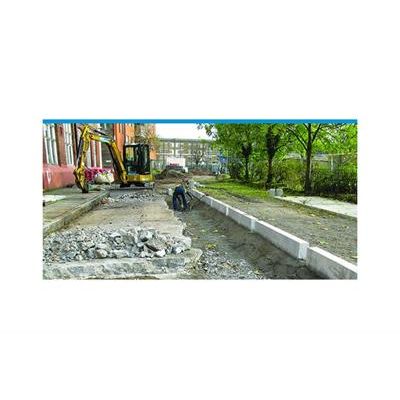
Constructing and Inspecting SuDS Training Courses
Sustainable Drainage Systems (SuDS) make a vital contribution to managing local flood risk and water quality as well as providing opportunities for biodiversity and amenity in new developments and redevelopments. SuDS are required in all new major developments and over recent yeas delivery in the UK has steadily increased. This course takes the information and experience from recent projects to provide information that will help those who are involved in constructing SUDS to avoid common pitfalls and improve the quality of delivery on site.