
CL Solutions, LLC news
CL-Out bioremediation degrades PCE without the production of vinyl chloride under a wide aerobic ranges. The following compilation of data from 14 locations shows PCE removal with ORP levels in ground water ranging from -150 to 250 standard units. The concentration removed ranges from 10 to nearly 1,000 ug/L. The amount removed does not appear to be dependent on the ORP level. It is probably a function of the initial concentration with higher mass removal correlating w
Petrox organisms yield cost-effective in-situ soil bioremediation to remove residual petroleum contamination. Instead of ripping up the service station to excavate the soil or installing a slow vapor extraction remediation system, an environmental consultant in east Texas used Petrox microbes to remove high concentrations of benzene and xylene from soil at a gas station. Petrox bioremediation saved the property owner time and money.
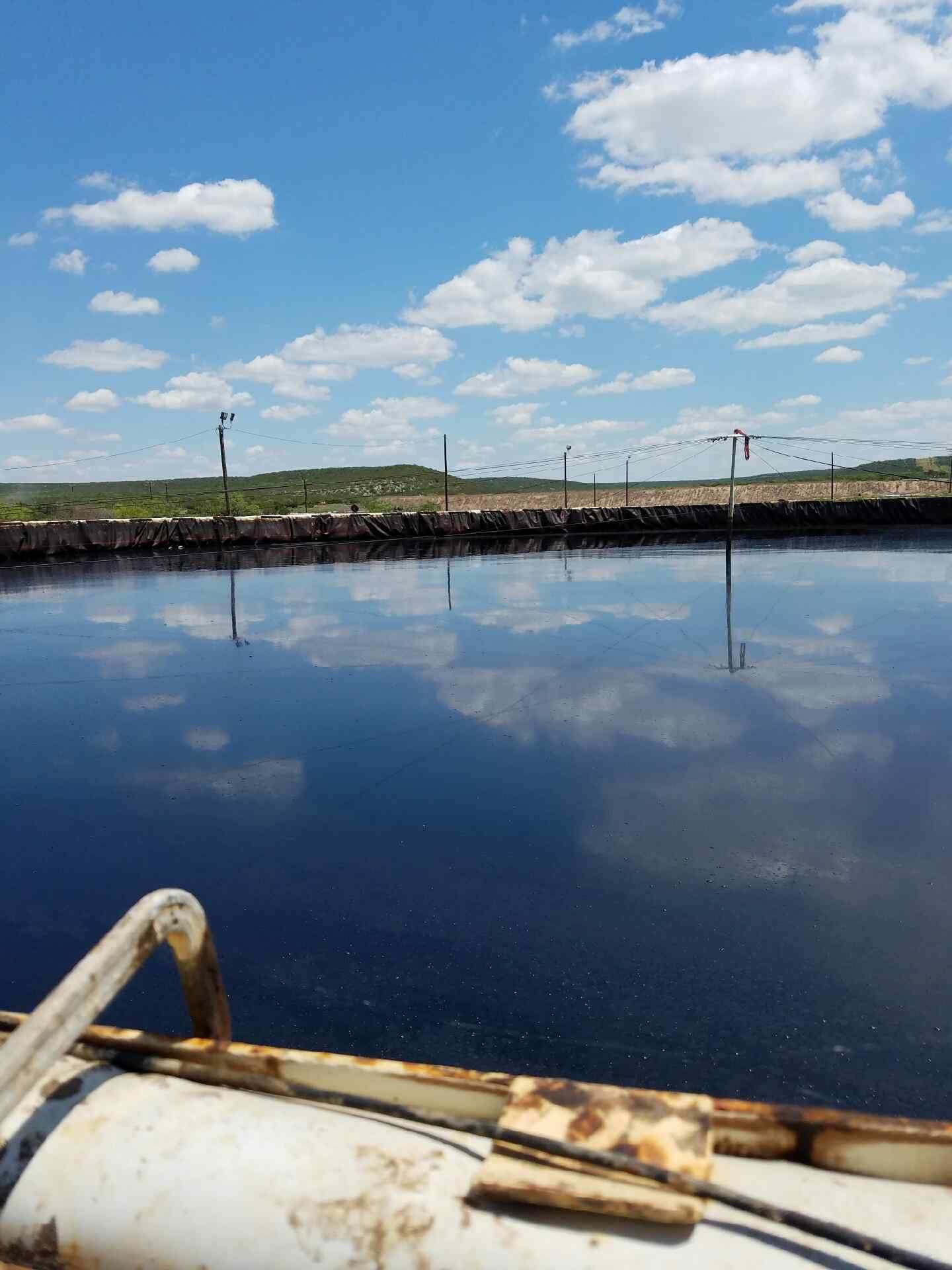
These photographs show actual field applications of CL-Out and Petrox.

The Massachusetts Department of Environmental Protection awarded Irwin Engineering of Natick, Massachusetts the 2016 Greener Cleanup Leadership Award for the innovative in situ bioremediation of perchorate contamination of soil and ground water at the Concord Road Site in Billerica, Massachusetts. The award honors LSPs and their clients for promoting greener cleanup principles and practices to reduce the overall net environmental footprint of hazardous waste site cleanup response actions unde
Delta Remediation of Acheson, Alberta, Canada is featured in the Canadian Trade Commissioner Service as a leader in clean technologies for the oil and gas industry in Canada and internationally. Delta Remediation uses a proprietary blend of CL Solutions' organisms called Biologix for bioremediation of hydrocarbons in soil,water and ground water. Download the article here.
Del

In a pilot study to compare aerobic cometabolism with anaerobic reductive dechlorination to remediation TCE and 1,4-dioxane at a former industrial facility in New Jersey, aerobic cometabolism reduced the concentrations of both compounds while anaerobic reductive dechlorination was unsuccessful. For aerobic cometabolism, CL-Out microbes were injected into the aquifer to a depth of 60 to 90 feet below ground. The pilot treatment area was 500 square feet. Monitoring wells
Munox SR has been approved by the USEPA for emergency use for marine and other oil spills. The listing is based on independent verification of effectiveness and absence of toxic substances or pathogens.
The USEPA tested the degradation rate of oil using Munox SR for NCP listing. The degradation rate exceeded most comparable products with 95% removal of alkanes and 89% removal of aromatics in 28 days.
The NCP lising and test results are
A pilot study of the applicability of CL-Out aerobic cometabolism of PCE and other chlorinated solvents was completed at Vandenberg Air Force Base. The pilot study consisted of injection in a single well and groundwater sampling at four surrounding wells to monitor the progress of bioremediation. During the pilot study, samples were analyzed for the contaminants and breakdown products, microbial population, and dissolved oxygen.
CL Solutions was founded in 1999 to commercialize aerobic cometabolism of chlorinated solvents. Our initial product CL-Out, which is a proprietary consortium of microbes, continues to be a unique approach to remediation at dry cleaners and industrial sites where PCE or other solvents were released into the environment. Over time, CL Solutions added various blends of microbes as products for bioremediation of other contaminants, including Petrox for petroleum spills. Our custom blend pro
The US Patent Office has granted a patent for bioremediation of perchlorate-contaminated media to Michael Saul of CL Solutions, Cincinnati, Ohio and Andrew Irwin of Irwin Engineers, Natick, Massachusetts. The patent is based on the successful application of a novel approach to in situ bioremediation of nitrate and perchlorate in soil, ground water and sediments at a site in Massachusetts.
The in situ bioremediation reduced the concentrations of perchlorate in ground water from