


Dam-It Dams, Inc. products
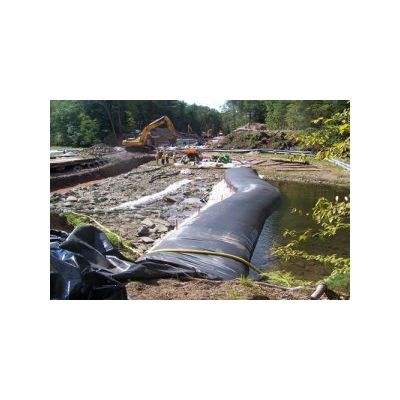
Dam-It Dams - Portable Cofferdams
Cofferdams (also coffer dams) are a temporary enclosure in or around a body of water that is constructed to allow dewatering, diversion or damming of an enclosed area. The primary purpose of cofferdams are to create a dry environment for a project to proceed. They were first used in 1736.
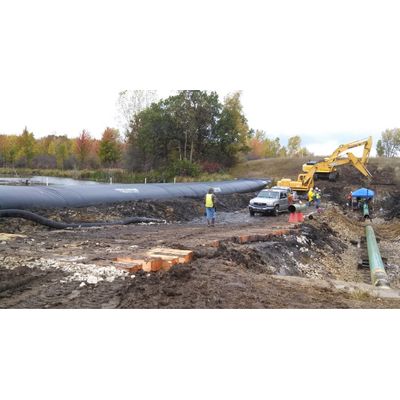
Dam-It Dams - Cofferdams
Cofferdam can be defined as an enclosure built within a body of water. They are constructed to make it possible for that enclosed region to be pumped out. The area that is pumped out creates a dry environment which allows for work to kick off. These enclosed cofferdams are commonly used in the construction or repair of bridges, oil platforms, pipelines, river crossings, flooding, etc. and other structures built over or within the water.
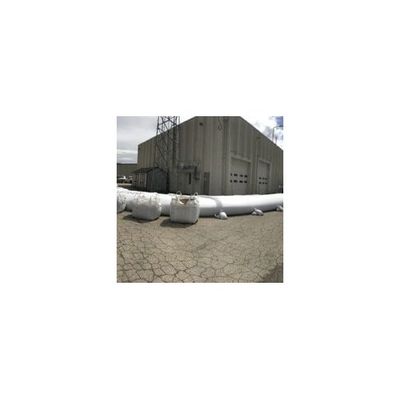
Dam-It Dams - Portable Cofferdam
A portable cofferdam is a pre-fabricated water barrier that can be transported to and installed at a project site, oftentimes in response to an imminent or emergency flood situation. Traditional barriers such as sandbags and levees do not qualify as a portable cofferdams because they must be fabricated on site. Dam-It Dams, Inc. is one of the few manufacturers in the world that manufactures, transports, and installs portable cofferdam in a wide range of sizes to accommodate virtually any project managers needs.
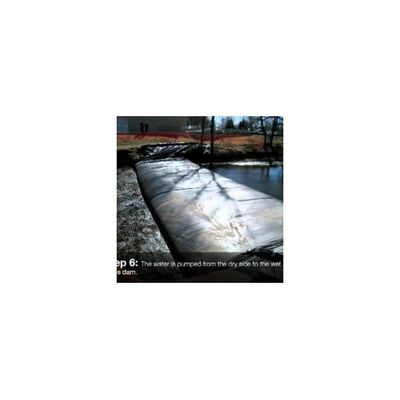
Dam-It Dams - Temporary Cofferdams
A temporary cofferdam is erected to separate water from a work site to create a more safe working environment. It is installed to permit damming, diversion, and/or dewatering to allow for construction in a dry area. The dam should have walls of an appropriate height to prevent water from entering the site. From prehistoric beaver dams to modern cofferdams, temporary water barriers have provided the means to contain waterways and thereby control their flow and direction. A temporary cofferdam is a modern implementation of a water barrier. Today’s temporary water barriers are primarily used to hold back flood waters or to provide a dry environment for construction projects. Examples of temporary water barriers are cofferdams, sandbags, and earthen berms but there are also permanent water barriers that include dams, levees, and seawalls.
Dam-It Dams - Temporary Water Barriers
From prehistoric beaver dams to modern cofferdams, temporary water barriers have provided the means to contain waterways and/or control their flow and direction. For the beaver, they also were home.
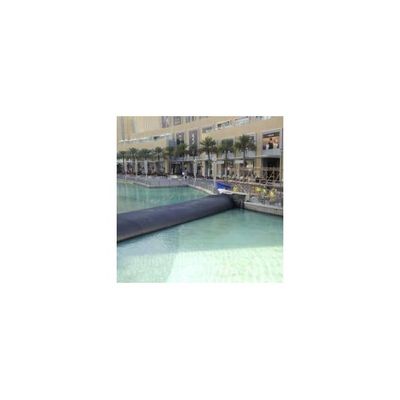
Dam-It Dams - Temporary Water Dams / Barriers
Temporary water dams (Temporary Water Barriers) are used as water controlling measures, typically when some construction task needs to be completed on a waterbed. The contractors will buy the temporary water dam, and place it around the areas where they need to put up a structure, such as a bridge. The temporary water dam will prevent the water from covering the area, and once the area dries up, then the work can begin. Working in an area where there is a lot of water makes it hard to achieve the desired results. Therefore, it is important that the contractor clears the water first, before starting the work. Examples of applications where temporary water dams come in handy include building of bridges, and also setting up a building in a swamp type of environment.
Dam-It Dams - Water Inflated Cofferdams
A History Leading to Water Inflated Cofferdams. When it comes to the process of controlling or halting the flow of water, mankind was NOT the pioneer on the subject. While water inflated cofferdams may be the best solution, it wasn’t the first. We have the common beaver to thank for that groundbreaking discovery! Early on in history, dams were inspired by beavers who encouraged man to use piles of branches, twigs, sticks, stumps, and any other wood they had access to, laid intricately in order to divert or dam water.
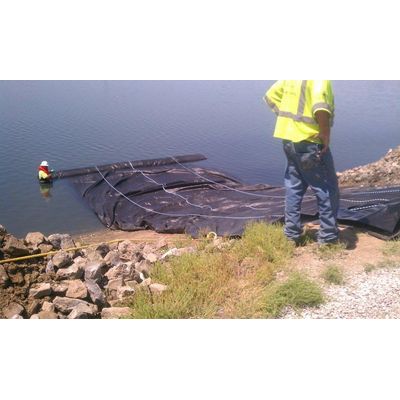
Dam-It Dams - Cofferdams for Sewage Treatment Plants
Preventing potentially toxic substances from entering clean water is the foremost priority of project managers. Sewage treatment, or wastewater treatment, plants remove contaminants from wastewater by means of physical, chemical, and biological processes. This is where our 3-D’s (Damming, Dewatering, and Diversion) come in to play!
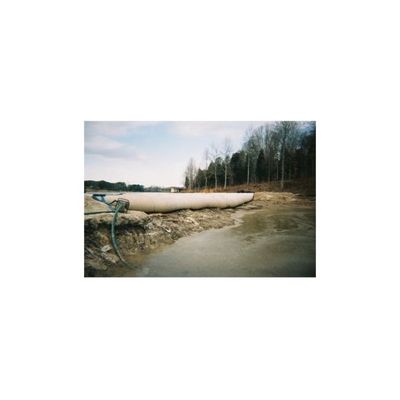
Dam-It Dams - Water Containment Barrier
There are many different examples of water containment barriers including booms, pneumatic, hydraulic containment, permeable reactive barriers, and berms, among others. There are two basic categories of water containment barriers – temporary and permanent. Temporary water containment barriers are primarily used to hold back flood waters or to provide a dry environment for a project to proceed.
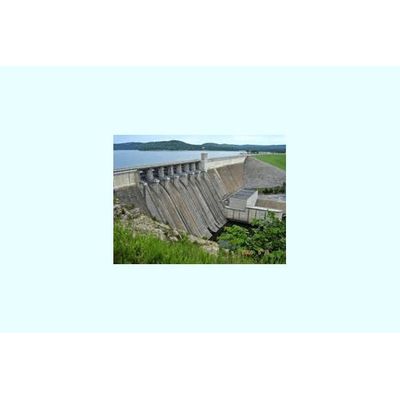
Dam-It Dams - Water Control Structures
When is a water control structure necessary? Regardless of type, the major purpose of these water control structures is to control the flow of water. Today’s temporary water structures are used either to redirect the flow of heavy waters, to hold back flood waters, and also to providing a dry environment for working on a short-term project. Through Dewatering, Diversion and/or Damming, any accumulated water or moisture that may serve to impede the continuation of a project becomes a non-issue with the use of Dami-It Dams portable, temporary, dual inner-tube cofferdam.