


Directed Technologies Drilling Incorporated (DTD) services
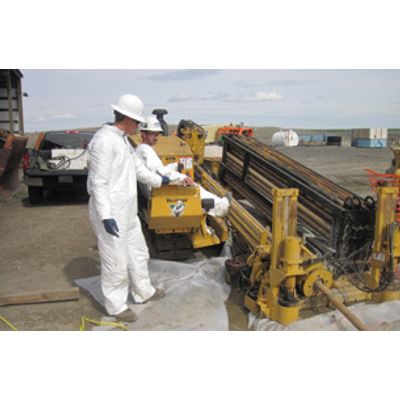
Horizontal Remediation Wells
Horizontal remediation wells for the cleanup of contaminated sites. Horizontal remediation well technology is used for: Soil Vapor Extraction Air Sparging Thermal Treatment Groundwater Extraction Chemical Injection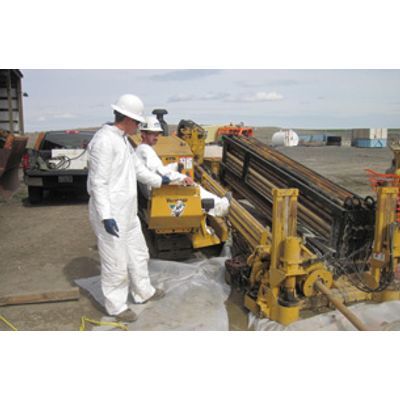
Environmental Remediation Wells & Services
When drilling environmental remediation wells, horizontal wells are compatible with most in-situ remediation schemes and are a preferred delivery method for many technologies. DTD environmental remediation services currently use horizontal wells primarily for soil vapor extraction (SVE), various forms of sparging or biosparging, and groundwater extraction. It is also possible to introduce nutrients or even innoculate contaminated areas with biological agents to facilitate cleanup.
Horizontal Soil Vapor Extraction Services
Soil vapor extraction is an in-situ remediation technology that utilizes a vacuum to extract contaminated vapors adsorbed to soils and treat the vapors prior to release. Studies have found this technology to be most effective for remediation of volatile organic compounds and some semi-volatile organic compounds. This technology is often used in combination with air sparging or biosparging.
Horizontal Air Sparging System
Air sparging through a horizontal air sparging system can often enhance a soil vapor extraction (SVE) system. Horizontal wells provide a very effective mechanism for distributing air throughout the contaminated region. A horizontal air sparging system can be installed under a wide variety of conditions to induce more effective soil vapor extraction. Above the water table, the use of hot air sparging or steam injection systems can mobilize even semi-volatile contaminants like those in diesel or Bunker C fuel for extraction. Beneath the water table, air sparging will act as an `in-situ stripper` for groundwater contamination, carrying the contaminants in the vapor phase to an extraction line above and parallel to the sparge line.
Groundwater Extraction
Groundwater extraction from a horizontal well is somewhat similar to a vertical well system. A screened section of casing is emplaced in the zone targeted for groundwater extraction. The screened casing is connected to blank casing leading to the ground surface. Water from the surrounding formation enters the screened section and is pumped to the surface using a submersible pump.
Horizontal-Directional Sampling for Environmental and Geotechnical Studies
Horizontal Directional Drilling (HDD) provides a viable means to collect environmental samples from locations that are inaccessible to vertical drill rigs, direct-push methods, or sonic methods, due to surface infrastructure or natural barriers. Using directional drilling techniques, DTD can collect samples from locations that are hundreds of feet away from the bore entry. This opens a new realm of possibility for collecting samples beneath existing source areas that have already been capped, or from beneath landfill liners, sensitive wetlands, or other barriers that preclude conventional sampling. DTD has developed custom sampling devices, and has developed experience on intensive sampling projects, collecting dozens of samples in bores over 600 feet in length. For more information, contact Mike Lubrecht, Senior Geologist, at DTD.
Water Resources Services
Directed Technologies Drilling can apply horizontal directional drilling to your water resources project.In many applications, directional drilling can increase productivity, decrease filtration costs, replace recharge basins or create passive water supplies.
Well Investigation Services
Directed Technologies Drilling can help you identify the causes of decreased well performance and provide the development tools necessary to rehabilitate and maintain efficient wells.
Well Maintenance & Well Rehabilitation Services
Directed Technologies Drilling has designed unique development tools for well rehabilitation or regular well maintenance that can help you rehabilitate and maintain efficient wells.
Utilities Installation Services
You are faced with the job of connecting electrical or telecommunications systems between buildings separated by a 300-foot parking lot. Under the parking lot is a network of storm sewer, sanitary sewer, telephone, gas, and electric lines.The driveway is the main entrance to a major manufacturing facility, and your clients do not want to disrupt their business. Where do you turn for a cost-effective solution?