

Directional Technologies, Inc. products
Horizontal Wells - Horizontal Wells - Remediation Wells
Directional Technologies - Horizontal Soil Vapor Extraction
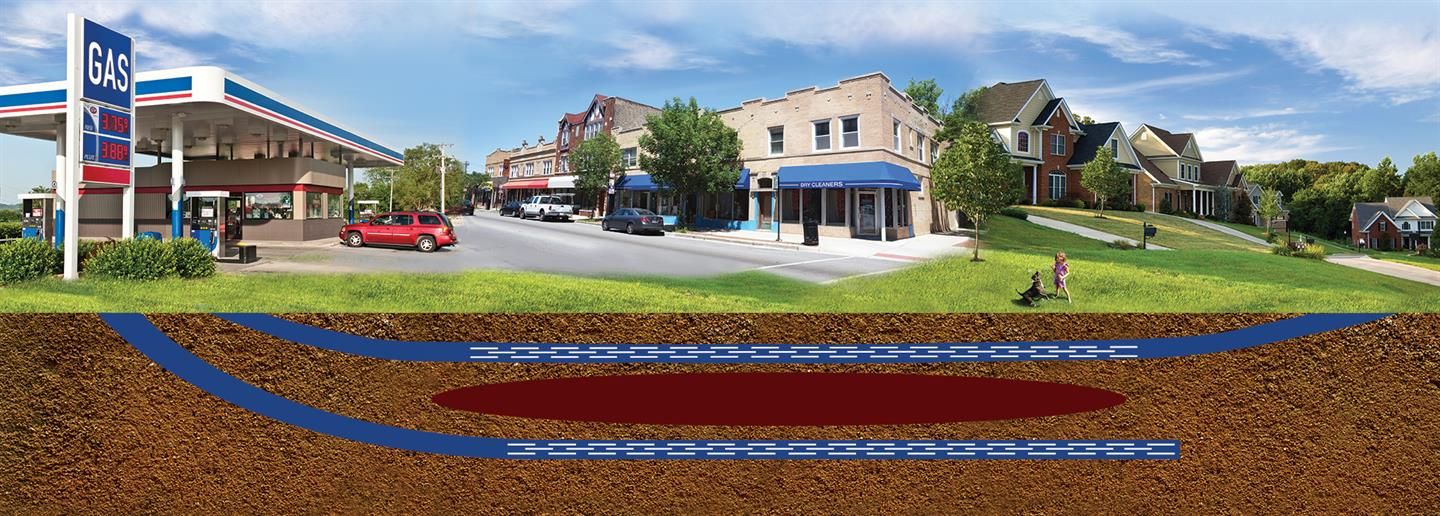
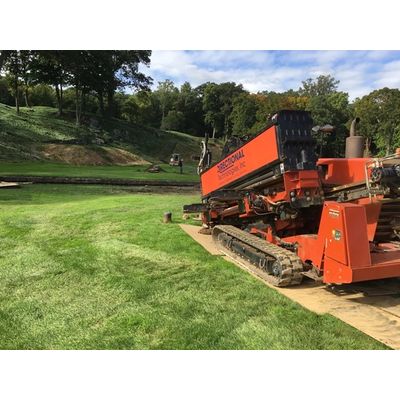
Horizontal soil vapor extraction wells are an ideal solution to combat harmful vapors from intruding into occupied buildings. Due to their orientation, they can be installed directly beneath building foundations to intercept soil contamination and reroute it to a safe location.
Soil vapor extraction (SVE) is a common solution for soil remediation, but often getting to the contamination is the most difficult step. Too many times contaminated sites remain active years beyond their lifespan simply because there is residual contamination located beneath a surface-level obstruction. Vertical wells installed along building perimeters can slowly chip away at spreading soil contamination, but the reality is that these systems cost money to operate, and clients don’t like spending money.
Directional Technologies - Air Sparge and Steam Injection
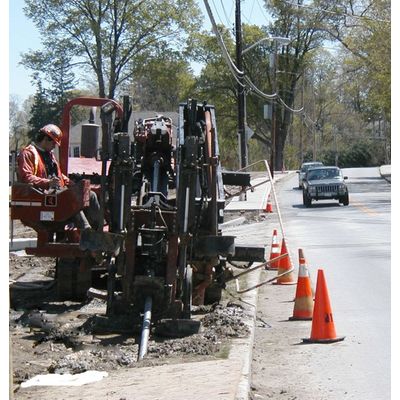
Horizontal air sparge wells are geometrically oriented to provide more well-screen contact with the contaminant mass. As a result, the increased volatilization significantly reduces dissolved-phase groundwater contamination, bringing sites to closure faster and keeping clients happy. If you’re using air sparging techniques to target groundwater contamination, do you want more screen contact with the contamination, or less? If the goal is to achieve site closure in a shorter amount of time, then more screen contact is necessary. While vertical wells typically contain 10s of feet of screen, horizontal wells often contain hundreds of feet or more. This is particularly useful in air sparging situations because groundwater plumes are almost always more extensive in the lateral direction than the vertical. It makes sense, then, to install a horizontal well that is parallel to the geometric orientation of the groundwater plume rather than perpendicular to it.
Directional Technologies - Ozone Sparging
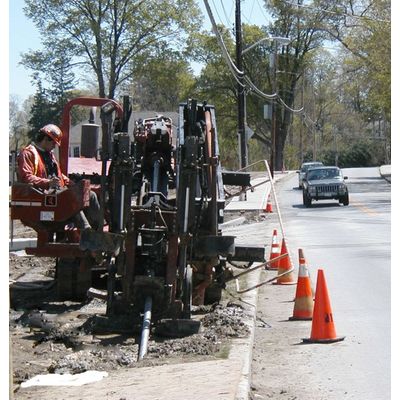
Some contaminants are trickier to remediate than others. Due to their chemical makeup, they remain in the groundwater longer and area less susceptible to standard air sparging techniques. Horizontal remediation wells allow significantly more linear screen footage per well, so that ozone sparging applications can make more contact with the contamination and treat those difficult contaminants.
Directional Technologies - In Situ Chemical Oxidation (ISCO) Injection
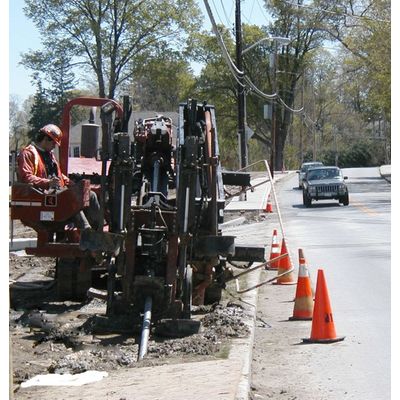
In-situ chemical oxidation (ISCO) injections are a proven way to rapidly break down harmful contaminants lurking in the soil and groundwater. However, during the design planning process, it is often discovered that on-site obstructions, such as buildings or roadways, prevent the necessary access to the contamination. Horizontal remediation wells not only provide access to these areas but inject more amendment volume in shorter time frames. In-situ chemical oxidation (ISCO) injections are an excellent method for remediating groundwater contamination. It is a technique that involves injecting oxidizing chemicals directly into the contaminated area to break down the pollutants into less harmful substances.
Horizontal Wells - Horizontal Wells - Groundwater
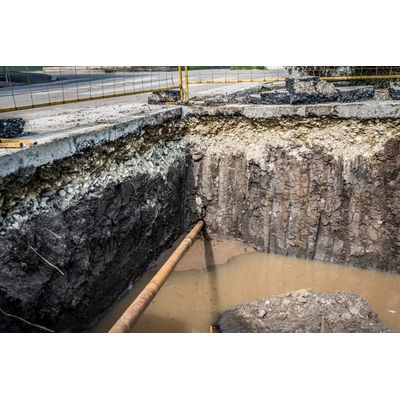
Directional Technologies - Dewatering System
Simply put, the goal of a dewatering project is to remove more water from the ground in less time. Through horizontal directional drilling techniques, hundreds of linear feet of screen can be installed directly at the target depth to maximize the effectiveness of dewatering on site. Dewatering is the process of removing water from subsurface soil or rock conditions, typically to allow construction services to take place efficiently and safely within the work zone. It is performed to lower the water table to create a dry and stable work environment for various surficial and subsurface installations. Dewatering is essential in construction, mining, and environmental remediation projects to ensure that work can proceed safely and efficiently.
Directional Technologies - Groundwater Control System
Groundwater control, or hydraulic control, is crucial in various fields such as construction, mining, and environmental remediation. If groundwater control is the goal, then removing more water from the ground in less time is the means to achieve that goal. Horizontal wells can be precisely installed within the target subsurface zones to provide maximum hydraulic control so that other associated work can continue on schedule. Groundwater control refers to the means and methods used to manage and manipulate the water present in the subsurface to mitigate issues like flooding, soil instability, and the migration of contaminants in the groundwater. Though they are synonymous in many ways, groundwater control differs from typical dewatering applications in a few distinct ways.
Directional Technologies - Hydraulic Control Solutions for Groundwater Management
Hydraulic control, or groundwater control, is crucial in various fields such as construction, mining, and environmental remediation. If hydraulic control is the goal, then removing more water from the ground in less time is the means to achieve that goal. Horizontal wells can be precisely installed within the target subsurface zones to provide maximum hydraulic control so that other associated work can continue on schedule.
Horizontal Wells - Horizontal Wells - Environmental
Horizontal Monitoring Wells
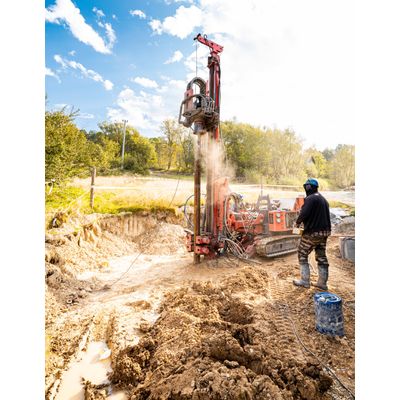
Getting water samples is easy, but only if you can reach it. Too often we settle for data that came from samples that are “close enough” to the target area. See how horizontal monitoring wells can provide groundwater samples from the exact area. Horizontal monitoring wells offer significant advantages when delineating and monitoring contamination, particularly on environmental projects where contamination exists in limited-access locations. Alternative methods may be used to collect samples of other mediums from beneath buildings, such as air samples. Even soil sampling may be performed from inside of a facility, but it requires drilling through the existing foundation and interrupting business operations. However, due to space constraints for a drill rig, it is difficult to acquire groundwater samples from beneath a building through vertical means.
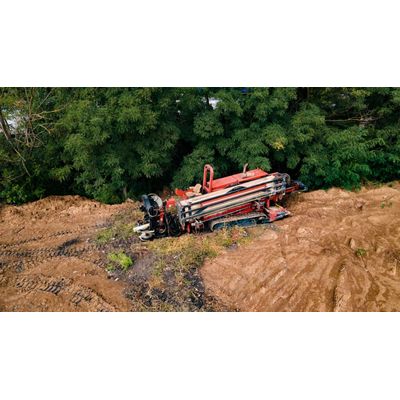
Directional Technologies - Hydraulic Barrier
Oftentimes, a hydraulic barrier is the only thing standing in between migrating contamination and a residential neighborhood. In dire situations like this, there must be no gaps or breaks in the barrier. Horizontal wells maximize the chances of intercepting preferential pathways that groundwater flows through, providing the best defense against migrating contamination. A hydraulic barrier involves creating a physical or hydraulic feature that alters the natural flow of groundwater to prevent the migration of contaminants into the subsurface. One of the primary methods of hydraulic control is using wells to create a groundwater gradient that redirects the flow through extraction or injection. When it comes to the implementation of a hydraulic barrier, one horizontal well can often outperform an entire line of vertical wells in groundwater recovery.