

Dynamic Air Quality Solutions applications

Dynamic Air Quality Solutions is proud to be a member of the U.S. Green Building Council (USGBC). The Leadership in Energy and Environmental Design (LEED) Green Building Rating System is the benchmark for the design, construction, and operation of high performance green buildings. LEED gives building owners and operators the tools they need to have an immediate and measurable impact on the environment and their buildings` performance.
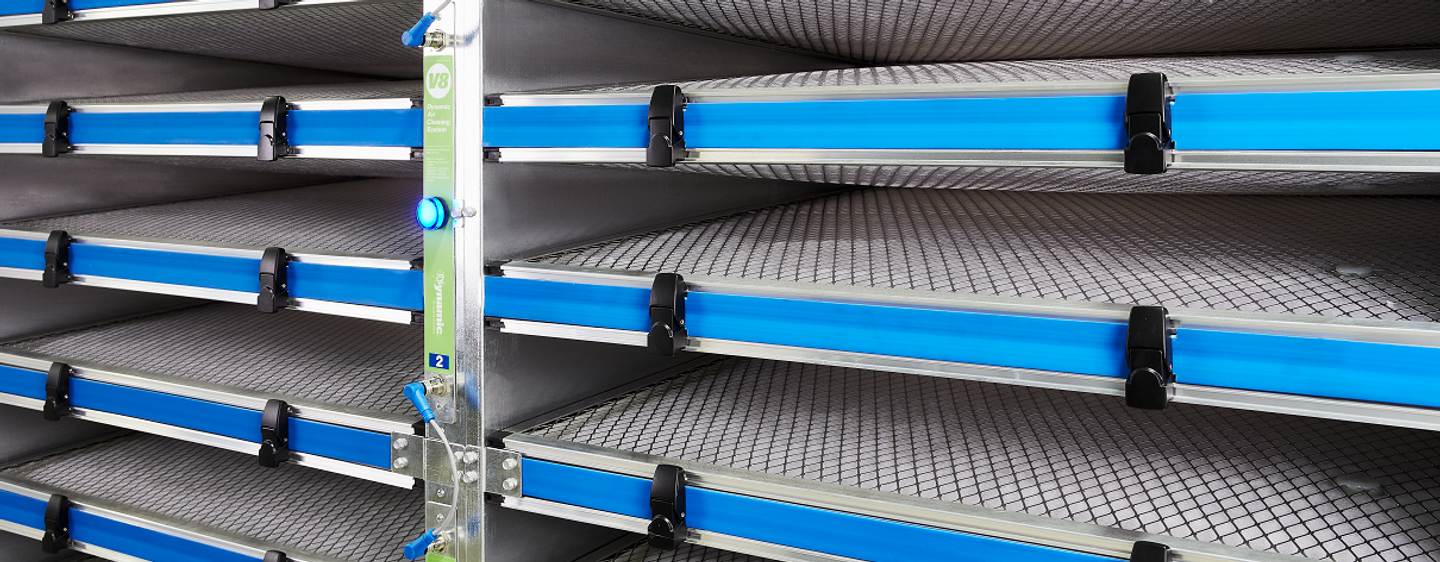
High Efficiency odor, VOC and particle filtration without the high costs of energy and maintenance. Dynamic Air Cleaners have been used successfully around the world to remove VOCs, mold spores, and ultrafine particles from indoor air and outdoor ventilation air, and for mitigating odors from exhaust air.

Dynamic Air Cleaners remove dangerous airborne particles that other air cleaning systems miss…including odors, VOCs, smoke, bacteria, allergens, fine dust, molds and pollen…without producing any harmful ozone. Dynamic Air Cleaners can have a significant impact on removing odors from outside air as the air comes through the ventilation system. This feature is very important in airports in the control of jet exhaust fumes that migrate into fresh air intakes.

The challenge for data center managers is to maintain or improve availability in increasingly dense computing environments while reducing costs and increasing efficiency. Even though data centers are strategic business assets that continue to grow in importance, data center managers are under pressure to optimize operational expenses and reduce energy consumption without risking downtime.

Clean air is of major importance in food processing and food prep areas. Dynamic Air Cleaners remove dangerous airborne particles that other air cleaning systems miss…including bacteria, allergens, fine dust, odors and VOCs…without producing any harmful ozone. Dynamic Air Cleaners can extend shelf life and reduce scrap by capturing airborne impurities.

Casino operators were some of the first to be able to put a price tag on indoor air quality and to realize the impact that IAQ has on customer traffic. As a result, you’ll find more Dynamic Air Cleaners in casinos than any other high efficiency air cleaners. Dynamic Air Cleaners remove dangerous airborne particles that other air cleaning systems miss…including odors, VOCs, smoke, bacteria, allergens, fine dust, molds and pollen…without producing any harmful ozone.

Dynamic Air Quality Solutions has been part of many high profile Government projects including the Securities and Exchange Commission headquarters and the anthrax clean-up effort at the Brentwood Post Office in Washington D.C. Since 2005, Dynamic Air Cleaners have been installed in over 200 government projects in the U.S. and Canada, including state & local and military sectors.

Indoor Air Quality and advanced environmental control strategies are playing a growing role in patient safety as hospitals and medical care facilities strive to improve wellness metrics and provide the best in healing environments. Three key factors make attention to indoor air quality particularly important in health care settings.

Dynamic Air Cleaners are an ideal indoor air quality solution for schools, colleges and universities. Without sacrificing budgets, higher education institutions can utilize these highly-versatile air cleaners to lower energy costs and establish greener, healthier learning environments for teachers and students. A report from The American Institute of Architects, The Redford Center, ICLEI USA – Local Governments for Sustainability and the U.S. Green Building Council (USGBC) estimates inefficiency costs the average school $100,000 each year. The report also states 14 million students attend schools considered below standard or dangerous, with more than 15,000 schools having air deemed unsafe to breathe. Generating a return on investment in three to five years, Dynamic Air Cleaners remove dangerous airborne particles that other air cleaning systems miss, including odors, smoke, bacteria, allergens, fine dust, mold and pollen, without producing any harmful ozone.

The grades are in: a 2006 national report,Greening America’s Schools, concluded that environmentally friendly school buildings lead to lower operating costs, improved test scores, and enhanced student health. The report, produced by Capital E and co-sponsored by The American Institute of Architects (AIA), concluded that environmentally friendly schools save an average of $100,000 each year. The study examined 30 green schools built between 2001 and 2006, and determined that the total financial benefits of green schools are 20 times greater than their initial cost difference. Measurable benefits include energy and water savings, improved student health and higher test scores.