

Edinburgh Sensors Ltd - TECHCOMP Group applications
Application: Anaerobic Digestion plants produce various gas components from a source material (or feedstock) that can be composed either solely or as a mixture of slurries, purpose-grown crops, food and organic waste material. The composition of the gas produced varies depending upon the feedstock and the Anaerobic digestion process itself. As a consequence, it is normal to measure various components of the resultant gas produced to evaluate the efficiency of the Anaerobic Digestion process. Furthermore, due to the flammable nature of Methane, and the risk of asphyxiation, most plants feature ambient air monitoring to protect personnel from any unplanned accumulation of leaked gas.

Application: In March 1986 an explosion destroyed a bungalow adjacent to a landfill site in Loscoe, Derbyshire. Subsequent measurements showed that 150-200 cubic meters of gas per hour were being generated by landfill waste. This event triggered a change in the way the waste industry considered and regulated gas generated at landfill sites; resulting in the landfill regulations of 2002, and in particular LFTGN03: the Guidance on the Management of landfill Gas.
Introduction: Accurate control of critical indoor environmental parameters is not only essential for the well-being and comfort of building occupants, but also has a major impact on energy efficiency. A multitude of parameters can affect indoor air quality (IAQ) from gases such as carbon dioxide, carbon monoxide and volatile organic compounds to particulates, humidity and bacteria such as legionella. Carbon dioxide is one of the greatest variables affecting indoor environmental quality since it is produced by people occupying the building. Carbon dioxide production is a function of the number, size and activity levels of the people present in the building. Local concentrations can therefore vary dramatically – for example when a meeting room is occupied, or while workers are on lunch or coffee breaks.
Application: Syngas (short for synthetic gas) can be burnt and used as a fuel source, the main constituents of syngas are Carbon Monoxide and Hydrogen, which amount for around 85% of Syngas, and it is produced by a process called Gasification.
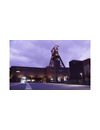
Application: The majority (around 60%) of the coal seams currently being extracted worldwide are so far underground that open cast mining cannot take place and, therefore, underground mining techniques need to be used. Consequently, workers have to enter and work in confined spaces. One of the major problems that this creates is the dangers from Methane (CH4) gas which occurs in Mine gas.

Cost-effective long term continuous measurement of CO2. How are Gas Sensors used in Agriculture? Gas sensors are essential in the agricultural and related industries for several applications. Horticulture: Controlled environment horticulture uses gas sensors to carefully monitors CO2 levels to ensure photosynthesis can occur and plants flourish. Farming: Our solutions empower farmers to make informed decisions that enhance productivity, efficiency and sustainability. With our advanced sensors, we’re redefining modern agriculture including practices such as vertical farming and green farming, enabling growers to maximise yields while minimising environmental impact. Animal Husbandry: Our equipment is backed by veterinarians to ensure that poultry and pig processing is carried out in line with animal welfare policies.
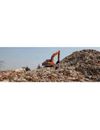
State-of-the-art systems enabling easy monitoring of CO2 and CH4 gases. A landfill site is a site for the disposal of waste materials by burial. Historically, landfills have been the most common method of organised waste disposal and remain so in many places around the world. Some landfills are also used for waste management purposes, such as the temporary storage, consolidation, and transfer, or processing of waste materials. Landfill gas is created by the action of microorganisms within a landfill. This includes the evaporation of volatile organic compounds, chemical reactions between waste components and microbial action. The emitted gas consists of 40-60% methane, and the rest mostly carbon dioxide. Trace amounts of other volatile organic compounds (mainly simple hydrocarbons) also compromise the remaining 1%.
Minimising costs through TOC measurement of CO2 concentration. Both water suppliers and water users need to know the quality of the water they are supplying, using and disposing of in order to minimise their costs. One measure of water quality is Total Organic Carbon (TOC) Analysis. TOC is the amount of carbon that is found in an organic compound. It has become an important indication of approximate levels of organic contamination and can therefore be used as a suggestion of water quality. In many cases, TOC analysis is used as an on-going monitor of change or lack of change in organic content. TOC is measured by oxidising the organic carbon to produce CO2, which can be quantified by measurement using a gas sensor. The value can then be converted into a TOC measurement, involving the subtraction of the ‘inorganic carbon’, which is the content of dissolved carbon dioxide and carbonic salts.
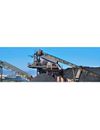
Fast, accurate and reliable measurement of CH4. Mining is the extraction of valuable minerals or other geological materials from the Earth. Coal mining refers to the process of extracting coal from the ground. Since the 1880s, coal has been extracted due to its energy content has been widely used to generate electricity. For example, steel and cement industries use coal as a fuel for extraction of iron and for cement production. Coal mining has seen many developments in recent years, from the early days of men tunnelling, digging, and manually extracting the coal on carts to large open cut and long wall mines. Modern mining at this scale requires the use of draglines, trucks, conveyors, hydraulic jacks and shearers.